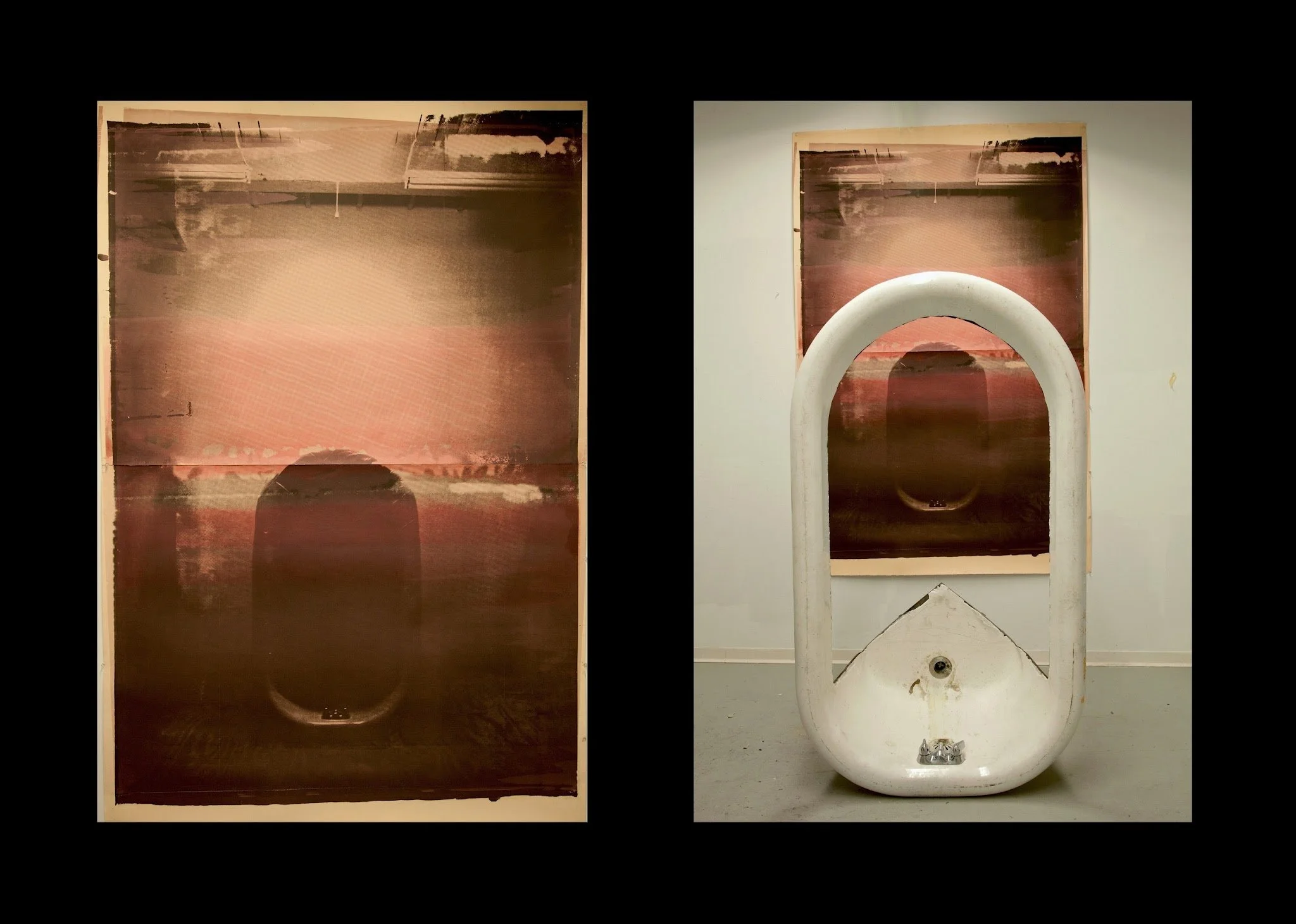
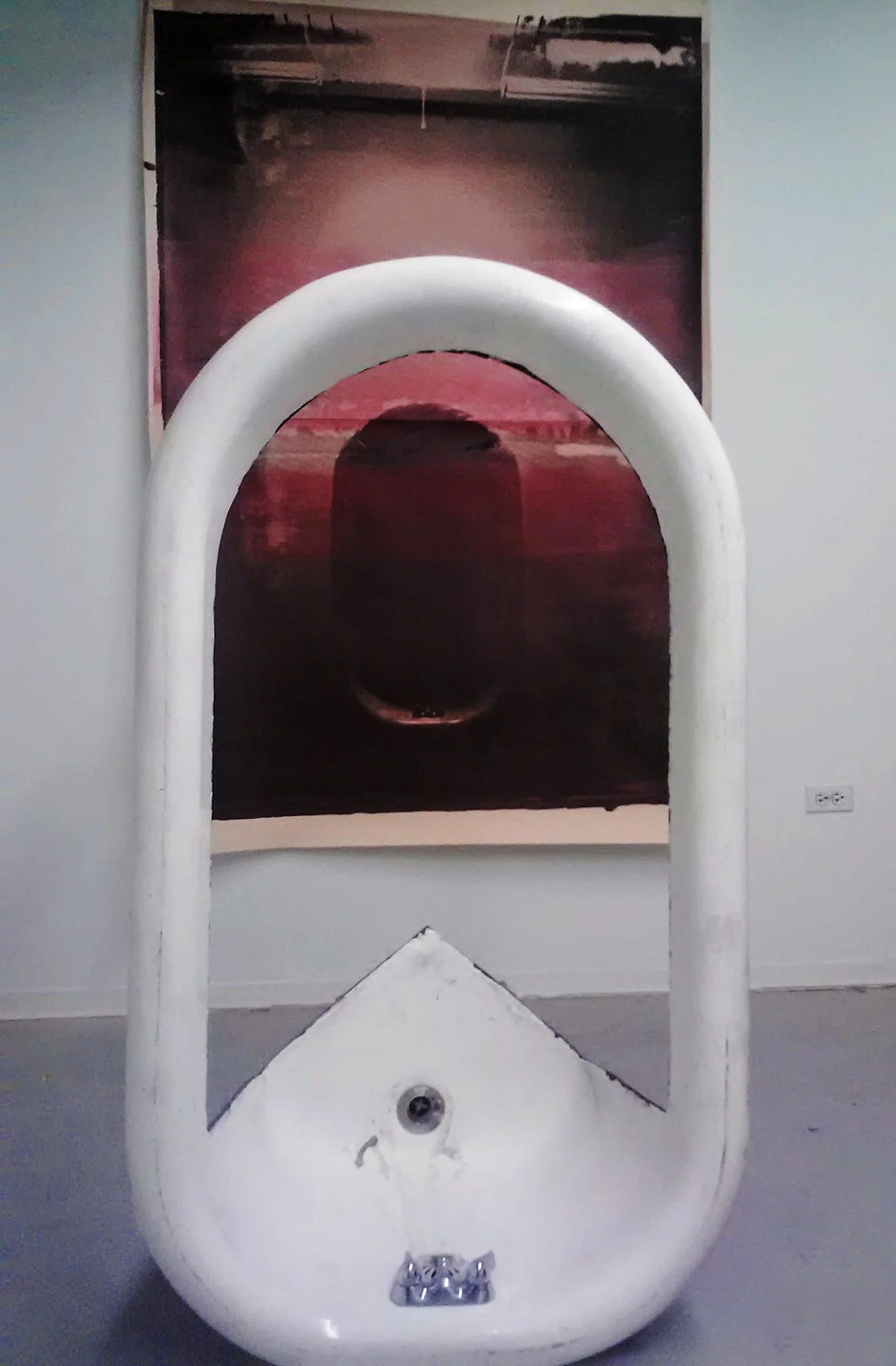
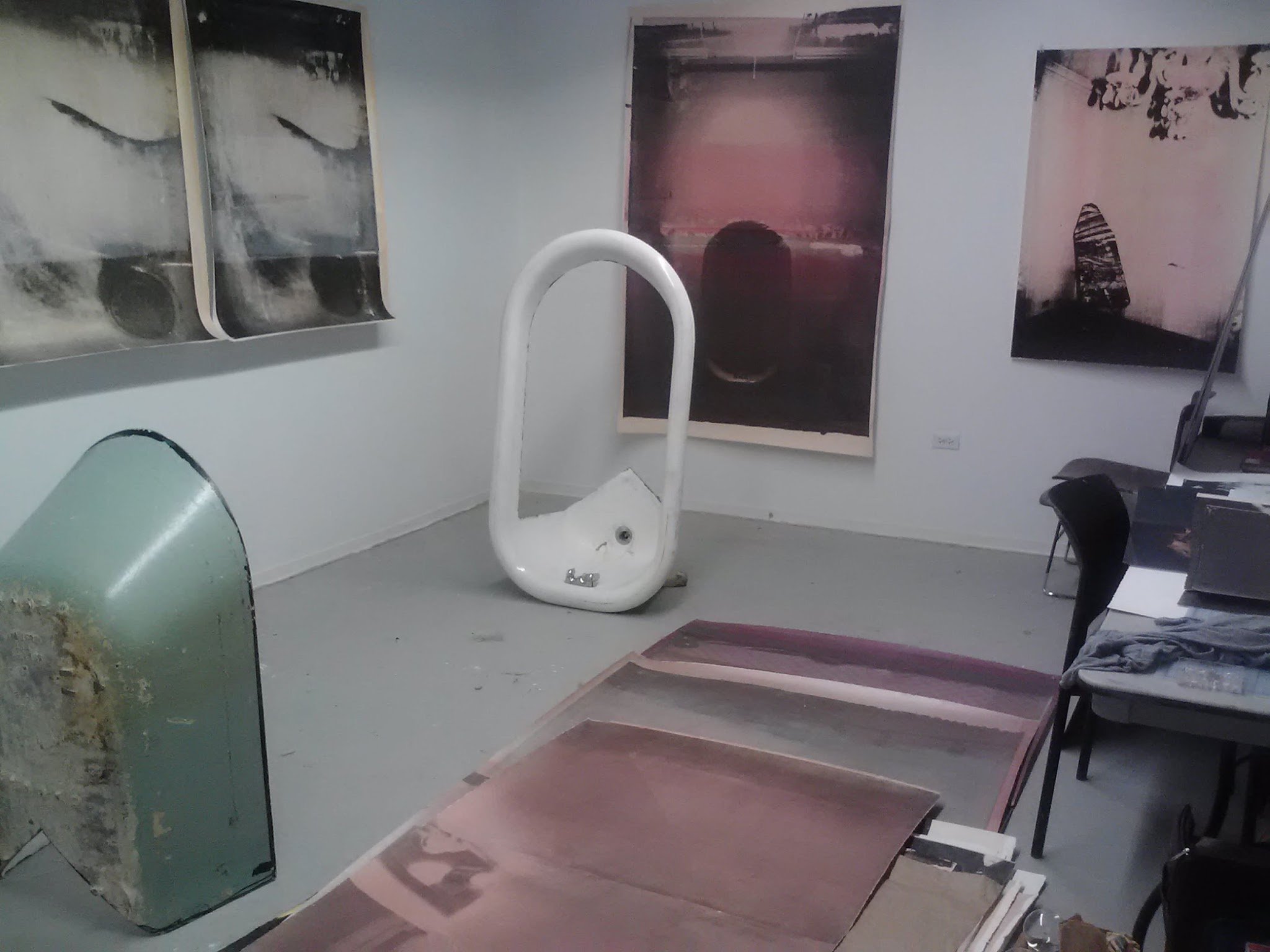
Before and After, Found objects (cast iron bath tub and sink)
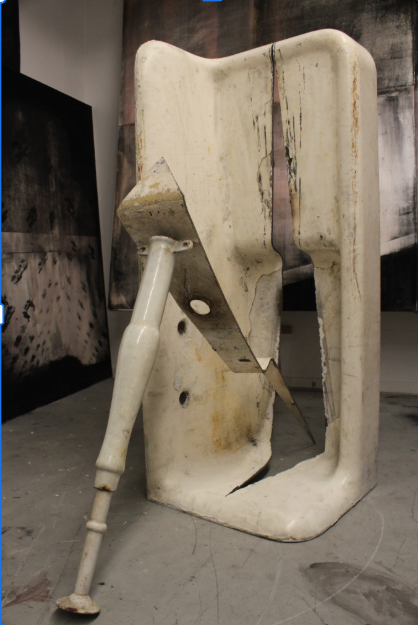
Found objects (cast iron bath tub and sink) The home, meant to be a place of safety, becomes the site of fracture. These objects still bear the appearance of functionality but can no longer serve their purpose. The cuts expose interior layers never meant to be seen: what was once whole and what is now broken existing together in the same object, inseparable.
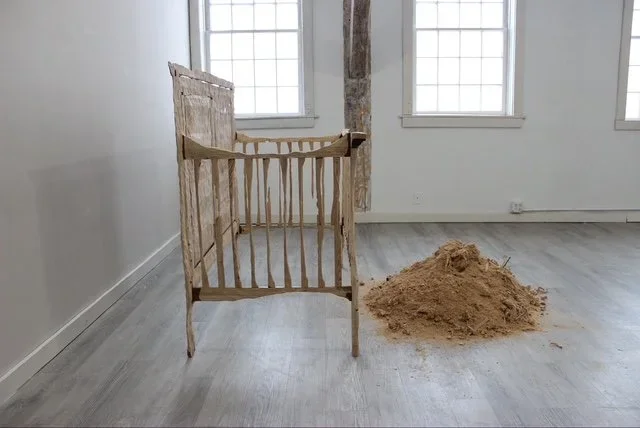
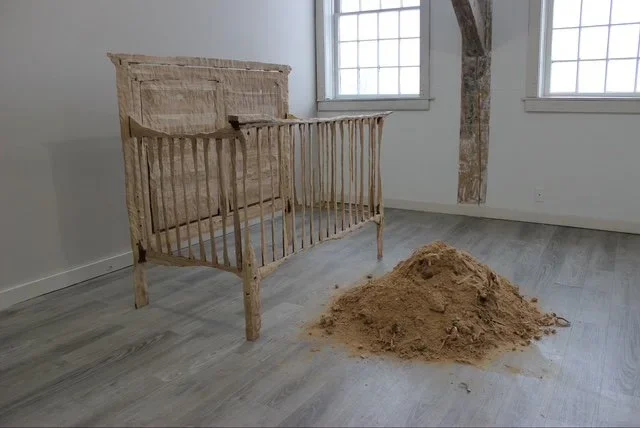
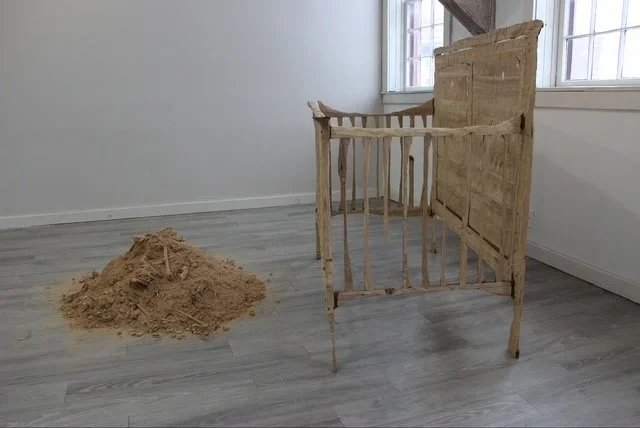
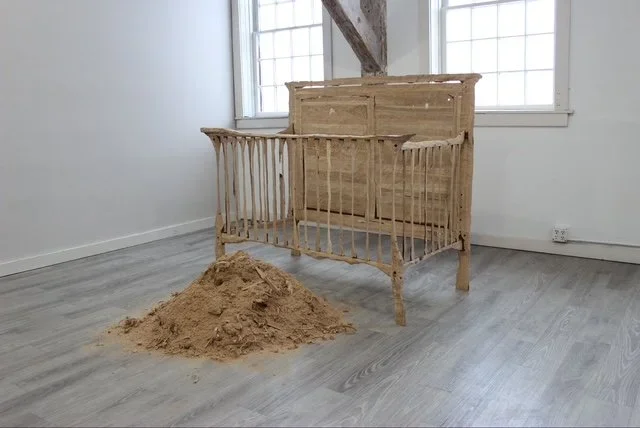
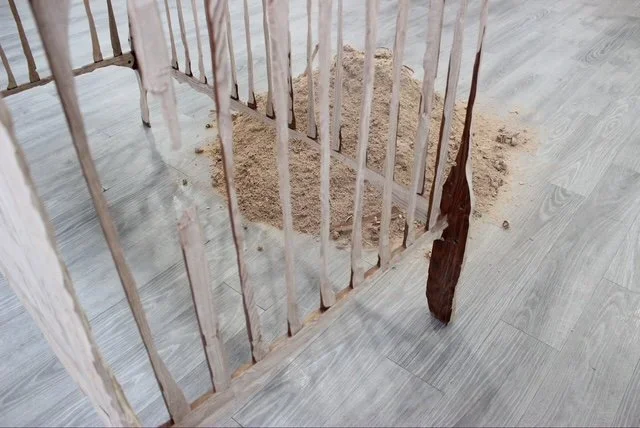
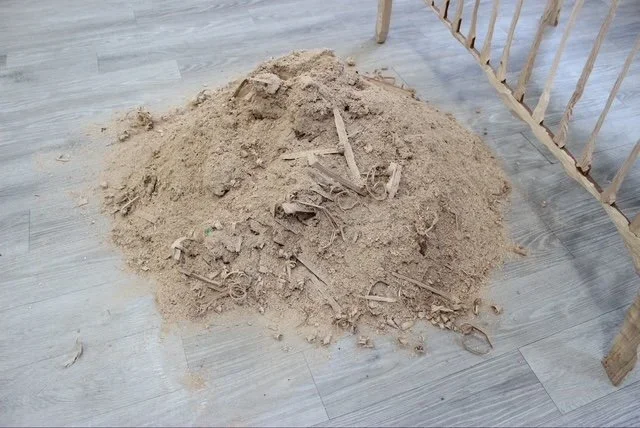
Crimes Against Children, Hand-sanded found object (crib). This work transforms a crib through an act of persistent erosion, sanded methodically until its structure becomes perilously delicate, barely able to hold its own form. The resulting sawdust, gathered and displayed alongside the fragile frame, bears witness to this gradual undoing. And yet something remains. The form holds. Strength and vulnerability inhabit the same object: what has been worn away and what endures exist together, the negative space itself a kind of presence. The crib is most itself at the moment it is nearest to gone.
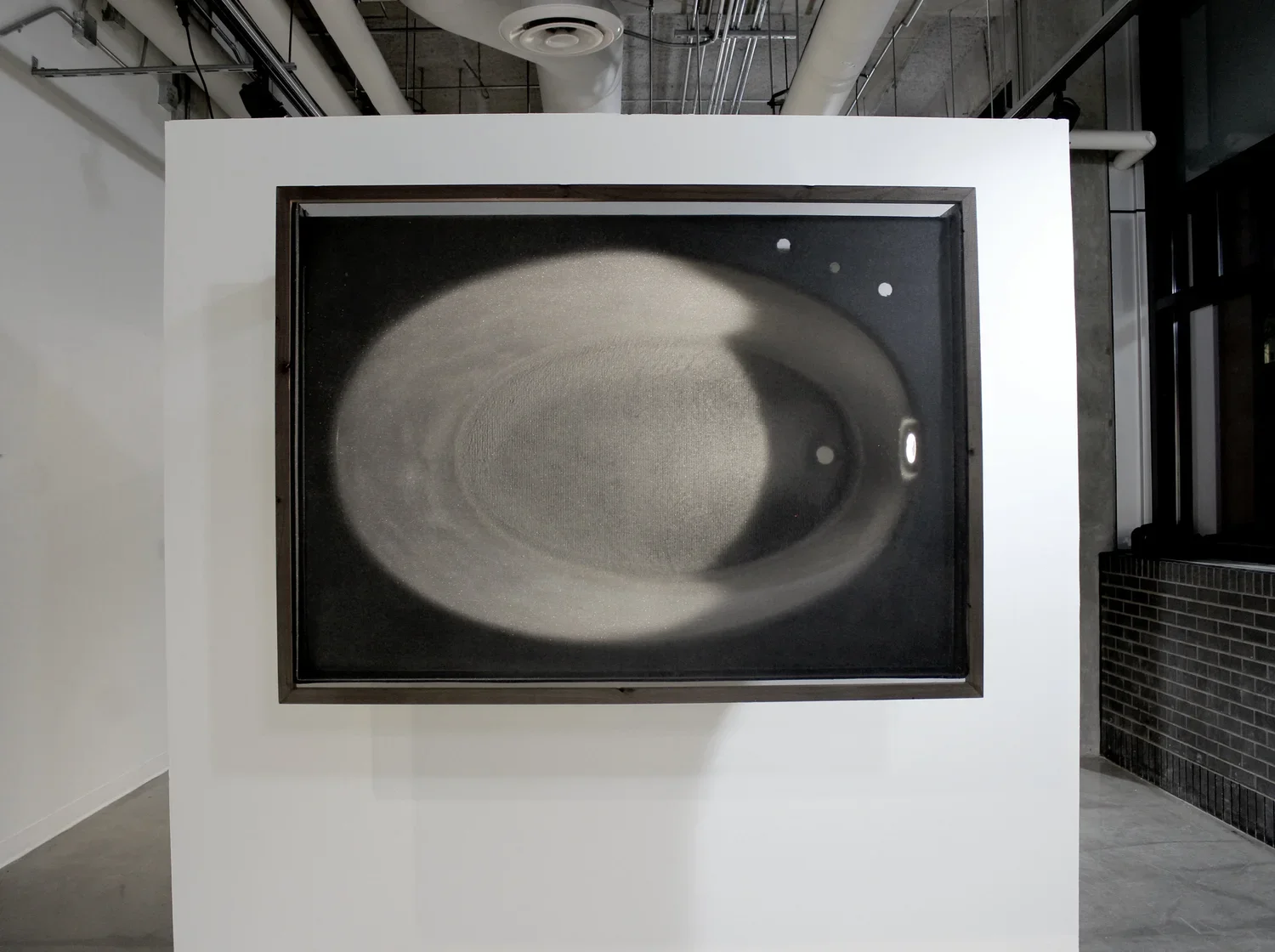
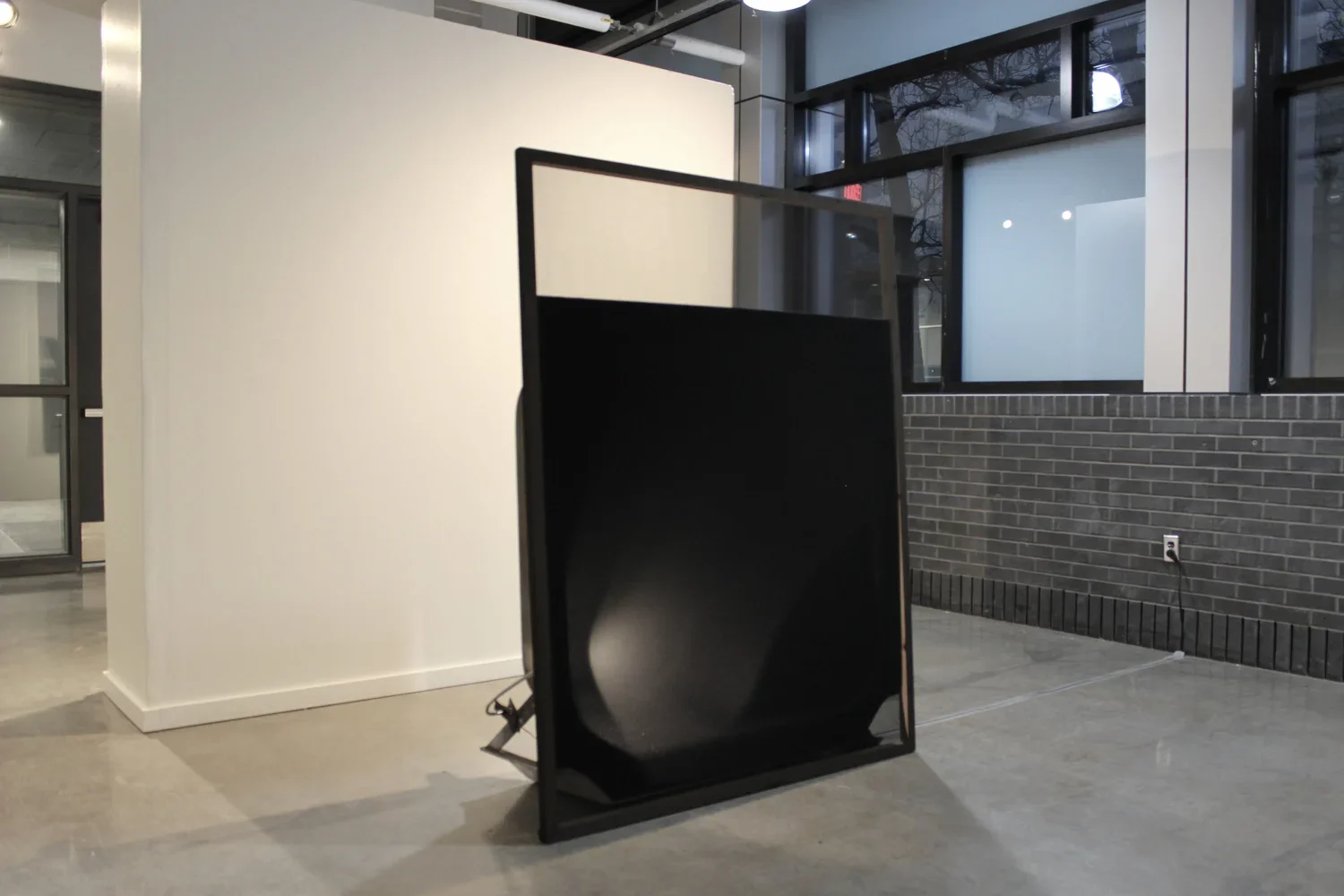
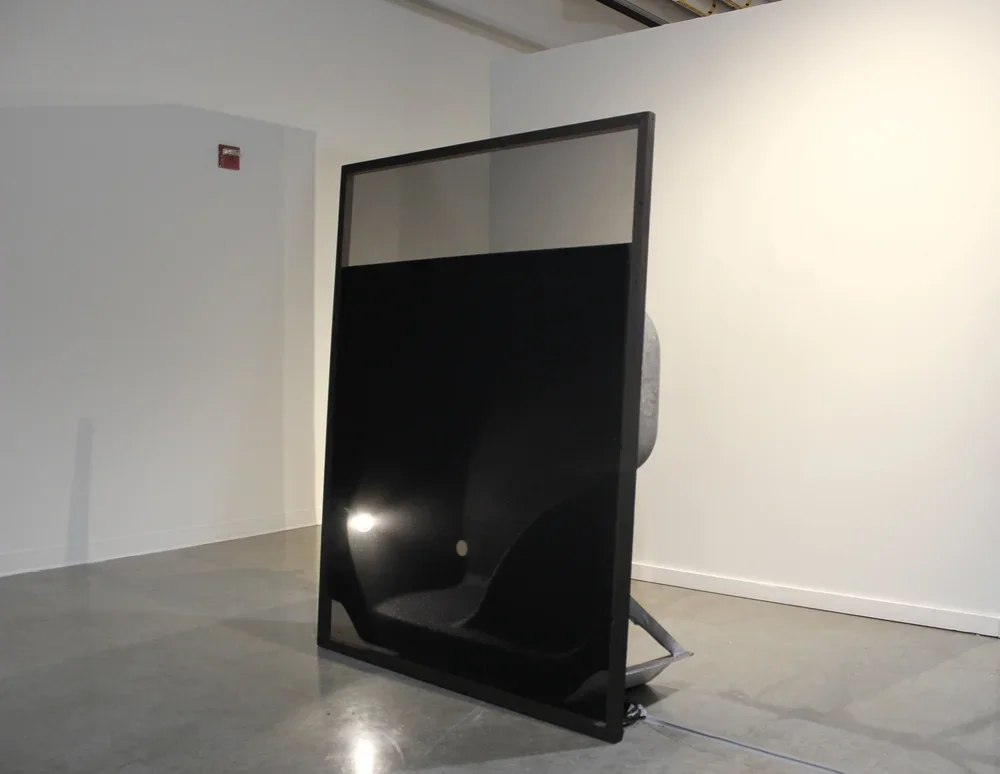
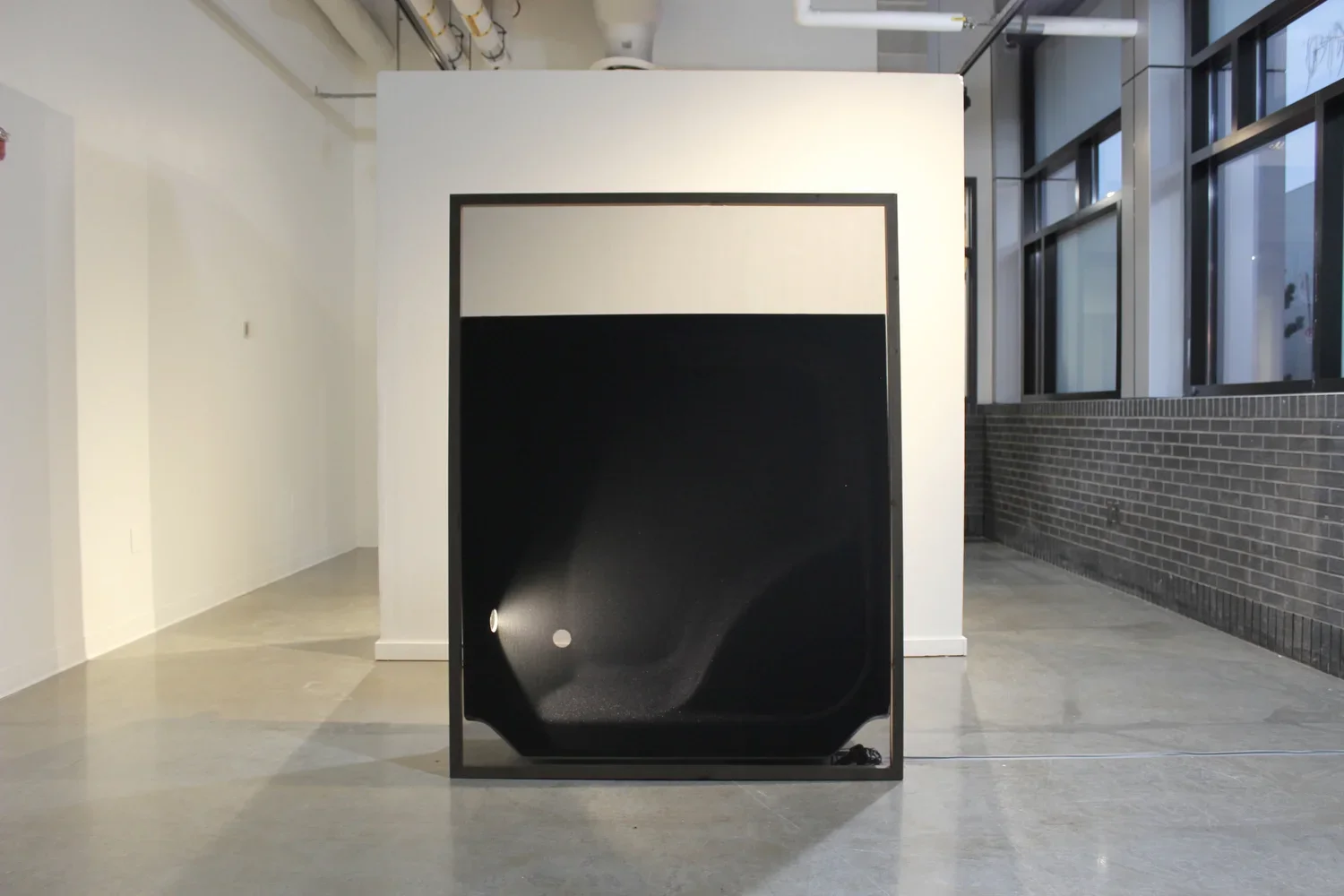
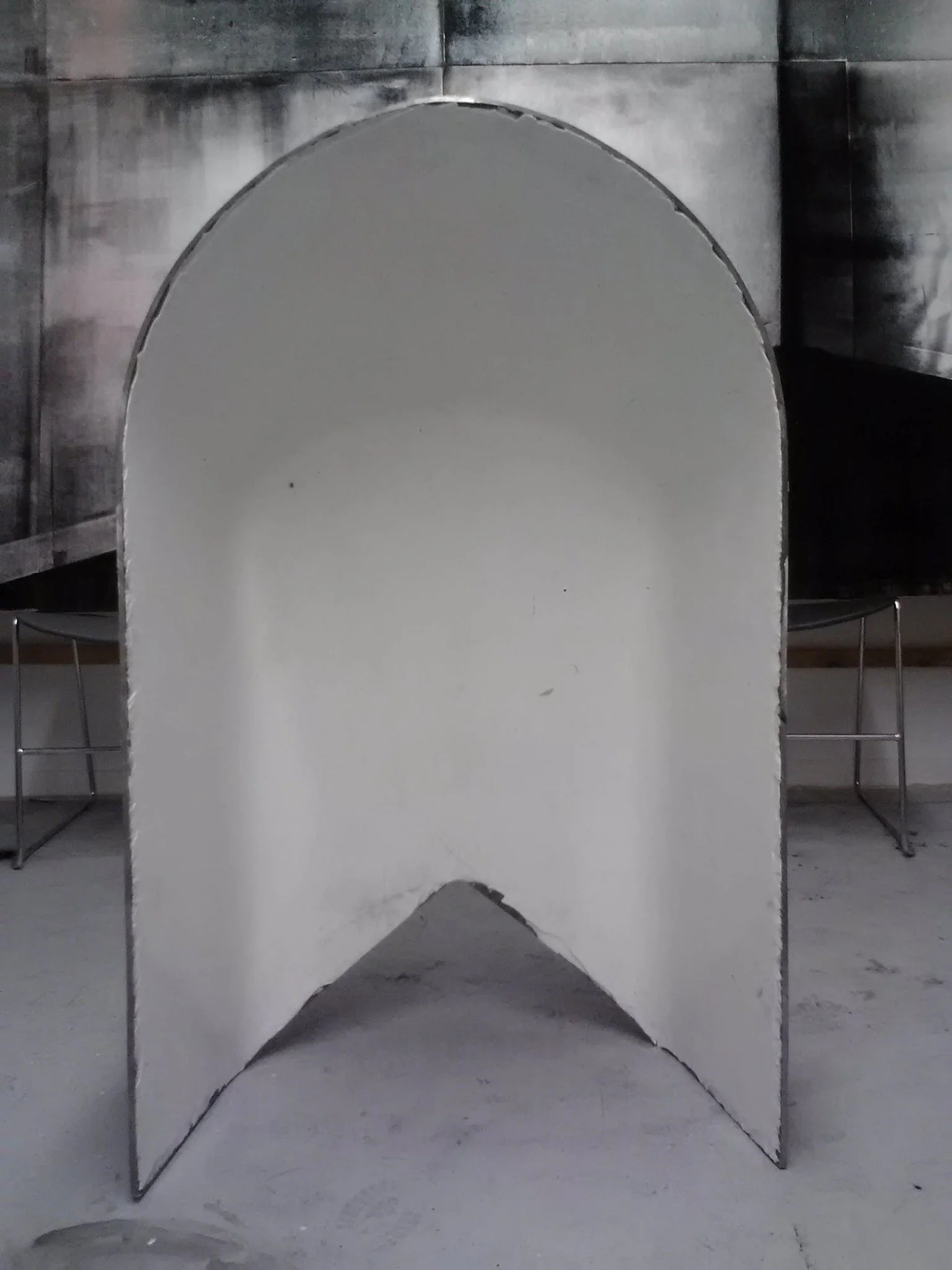
The Shape Beneath, 2017, found objects (used cast iron bathtubs), velvet flocking, framed screen, clip-on lights. Old cast iron bathtubs, scarred and weathered by years of use, are flocked with velvet—their surfaces perfected, their histories erased. The soft coating obscures rust, chips, and stains, smoothing away every mark of time and wear. What remains is form without memory, the essential vessel stripped of its accumulated life.
These works ask what endures when we remove the marks that time leaves behind. Is there a permanent self beneath our experiences, or are we inseparable from what has happened to us? The velvet creates an illusion of perfection, but in doing so, it conceals the very evidence that proves the object has been lived with, depended upon, survived.
Memory, even painful memory, upholds identity. The scars we carry are not separate from who we are; they are part of the architecture that holds us together. To erase them is to create something that looks whole but may actually be hollowed out, a perfect shell with its substance covered over. The shape beneath is both more and less than what it appears: fundamental, yes, but also incomplete without the marks that tell its story.
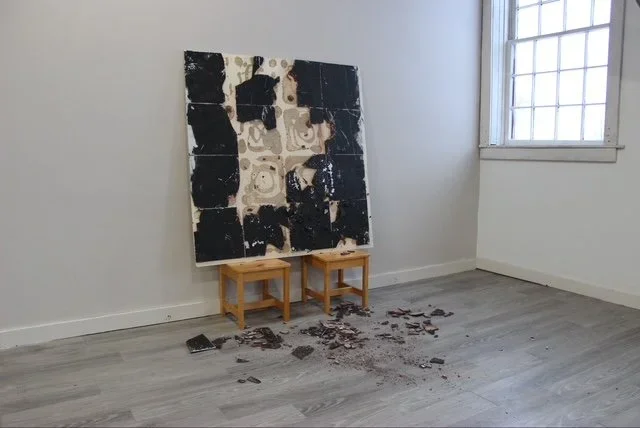
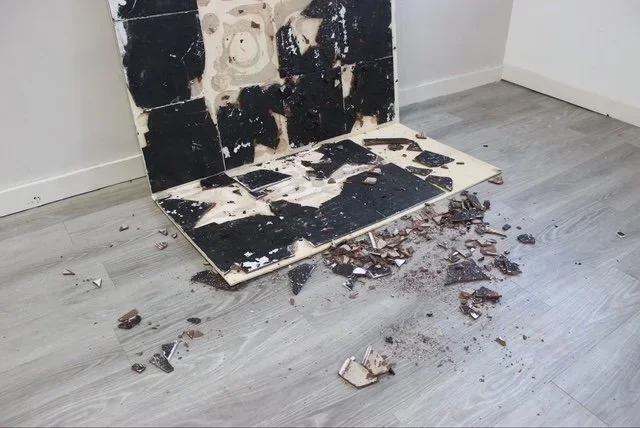
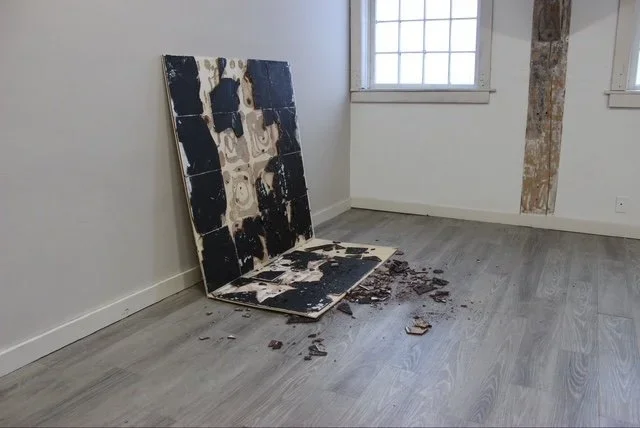
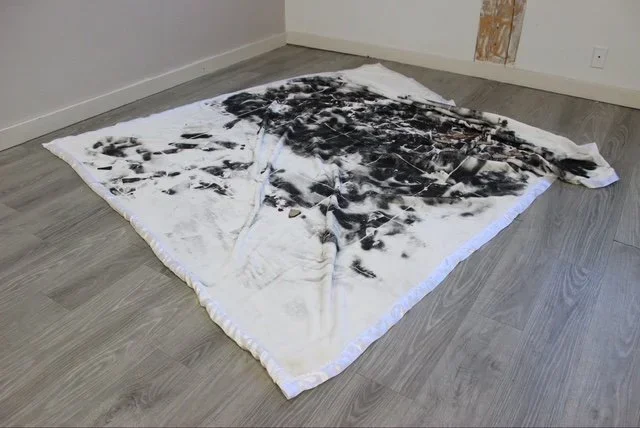
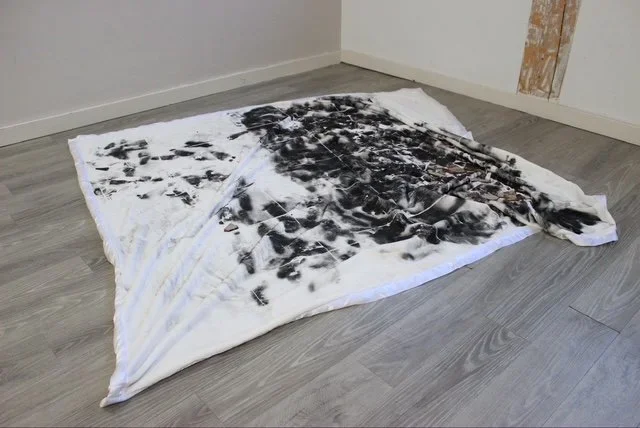
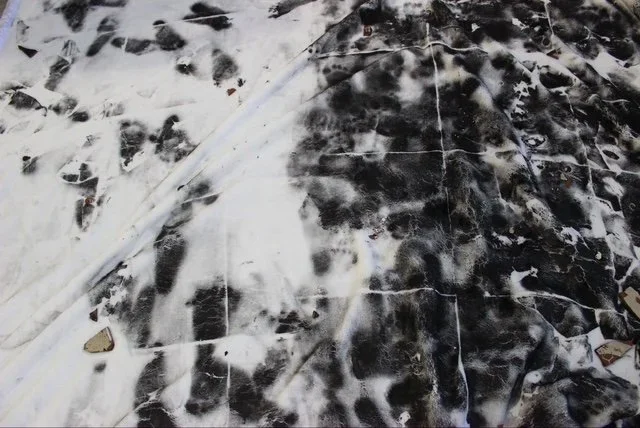
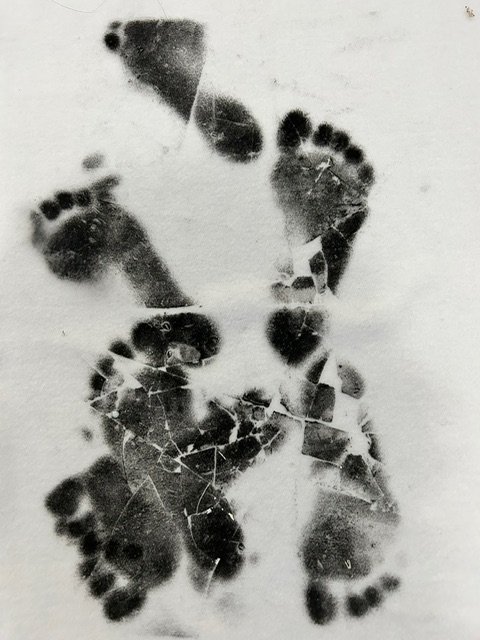
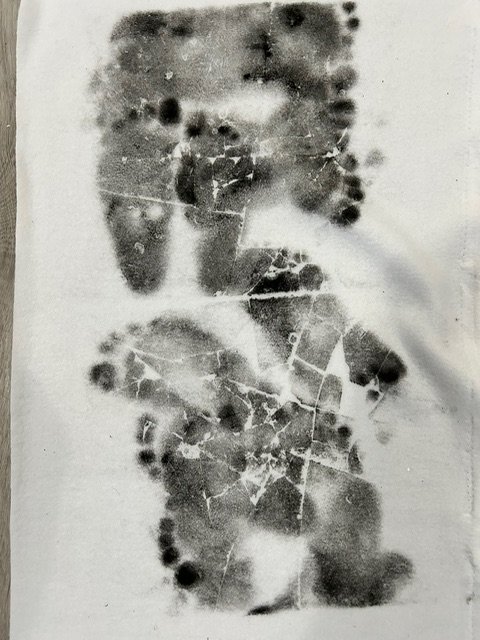
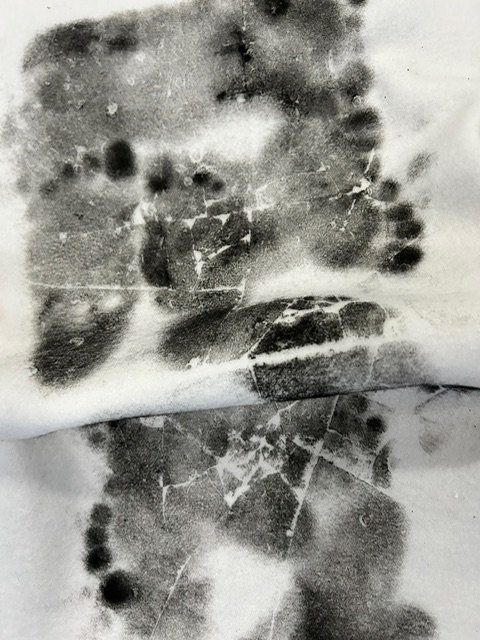
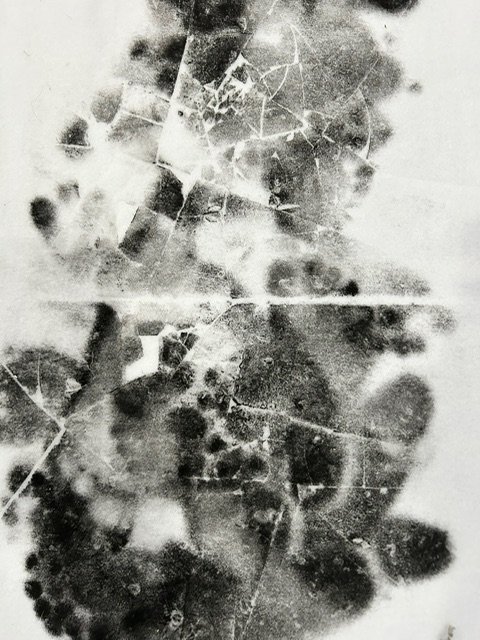
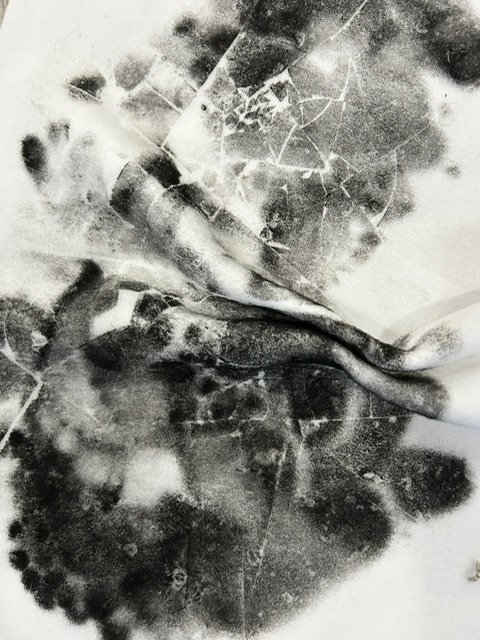
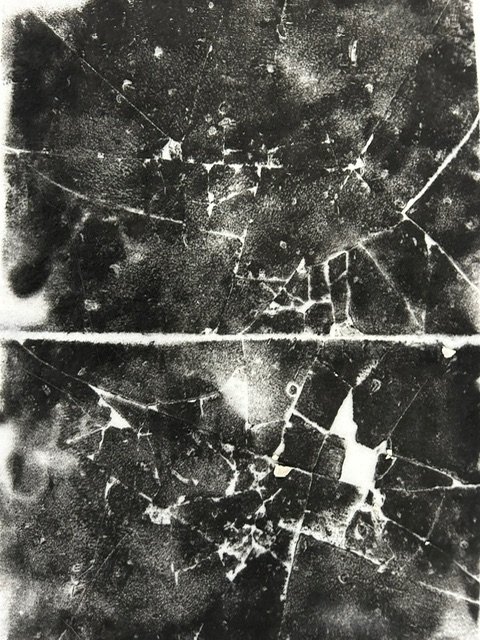
Ghosts and Angels in the Nursery, stone tile, woodblock ink, fleece blanket, satin. This series begins with a deliberate fracturing—a stone tile floor broken into irregular pieces, then inked for relief printing. A large fleece baby blanket with satin trim is laid across the fractured surface, and the artist's children walk over it, their weight pressing the fabric into the cracks and fissures below. The blanket serves dual purposes: it captures an impression of the broken ground beneath while simultaneously protecting small feet from its sharp edges.
The work speaks to how childhood environments leave their mark: imprints both visible and invisible. The cracked floor represents the inevitable fractures and imperfections of the world children navigate, while the blanket embodies the crucial layer of care that can mediate these encounters. It is both witness and shield.
”Angels and Demons in the Nursey” is a phrase coined by Alicia Lieberman in reference to harmful and protective factors of infant development.
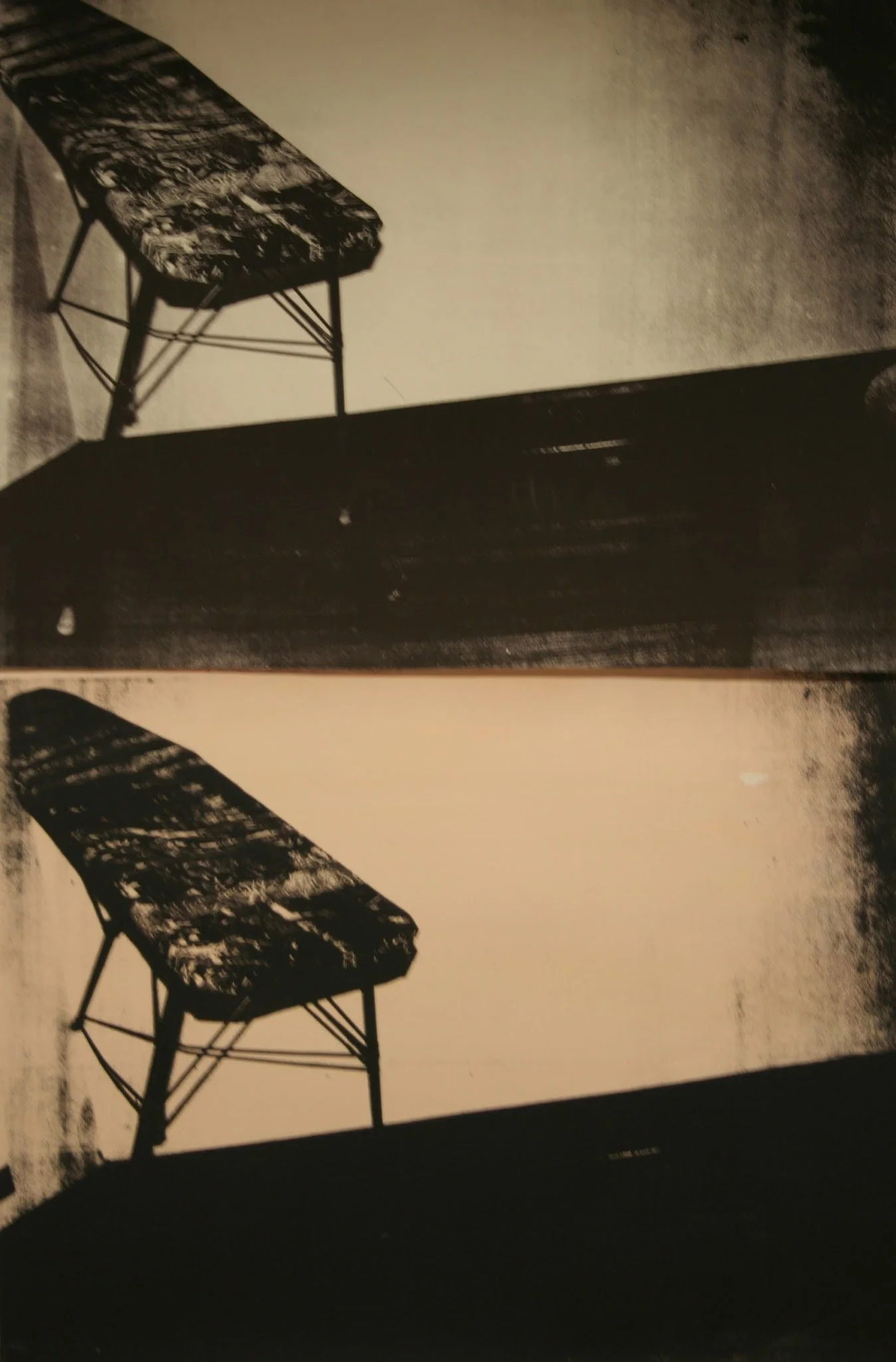
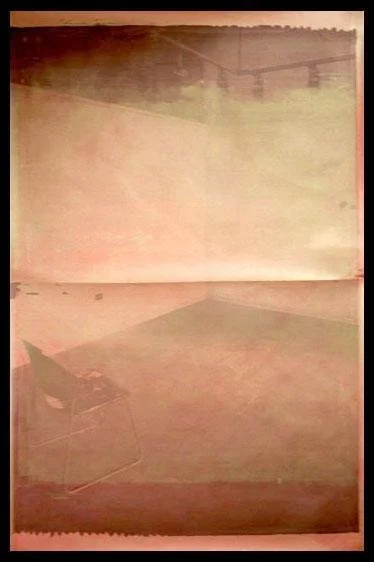
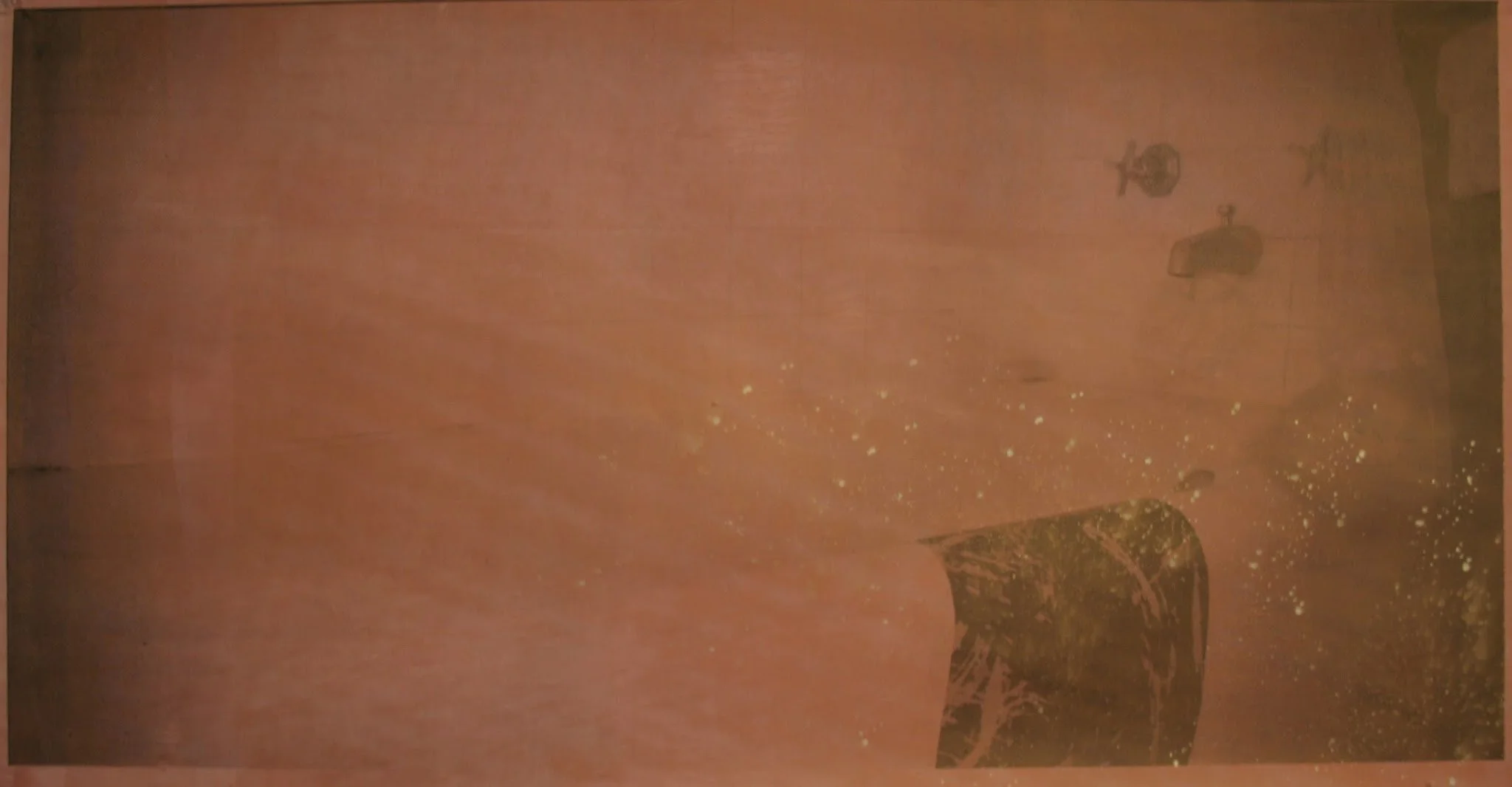
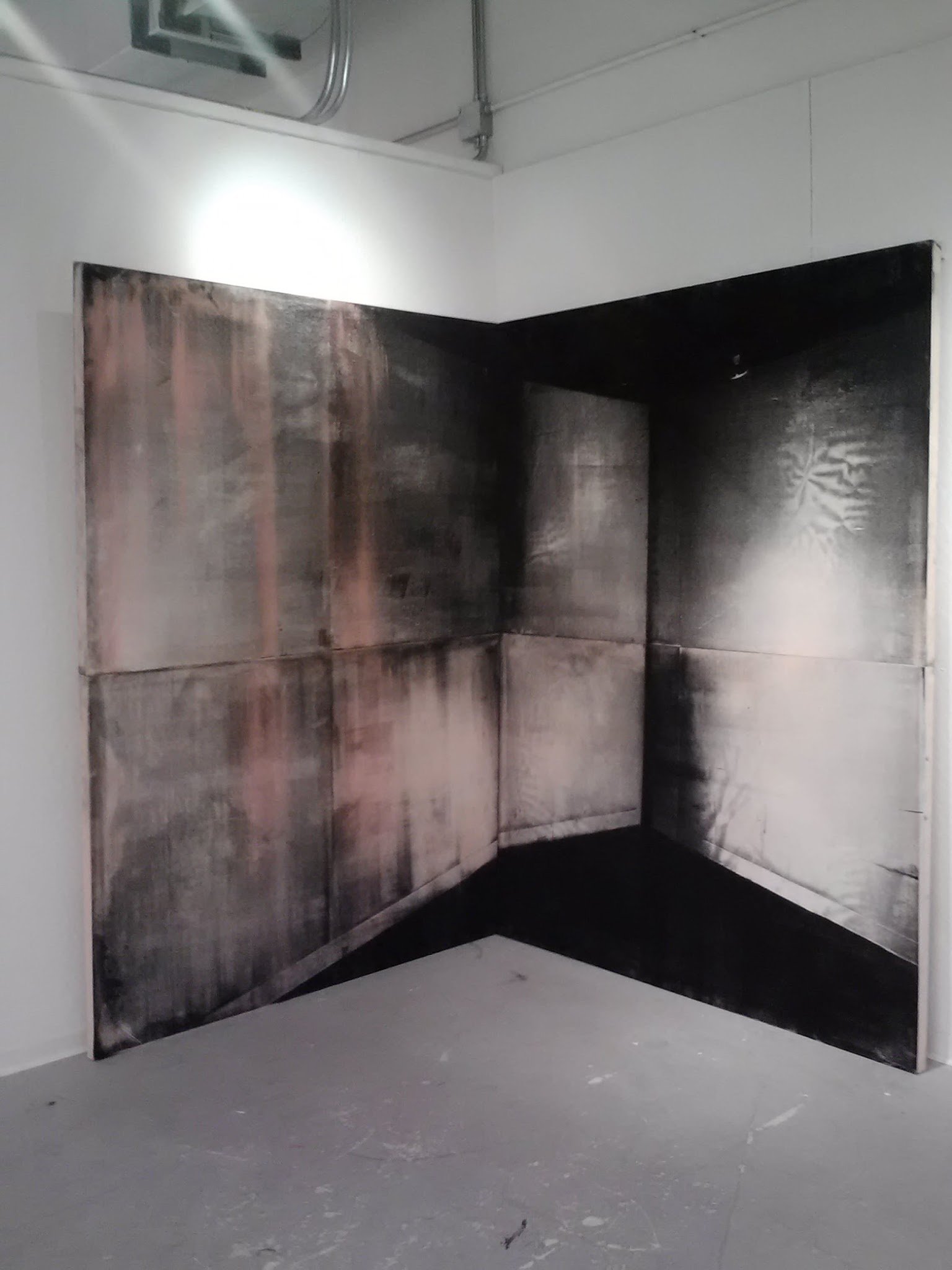
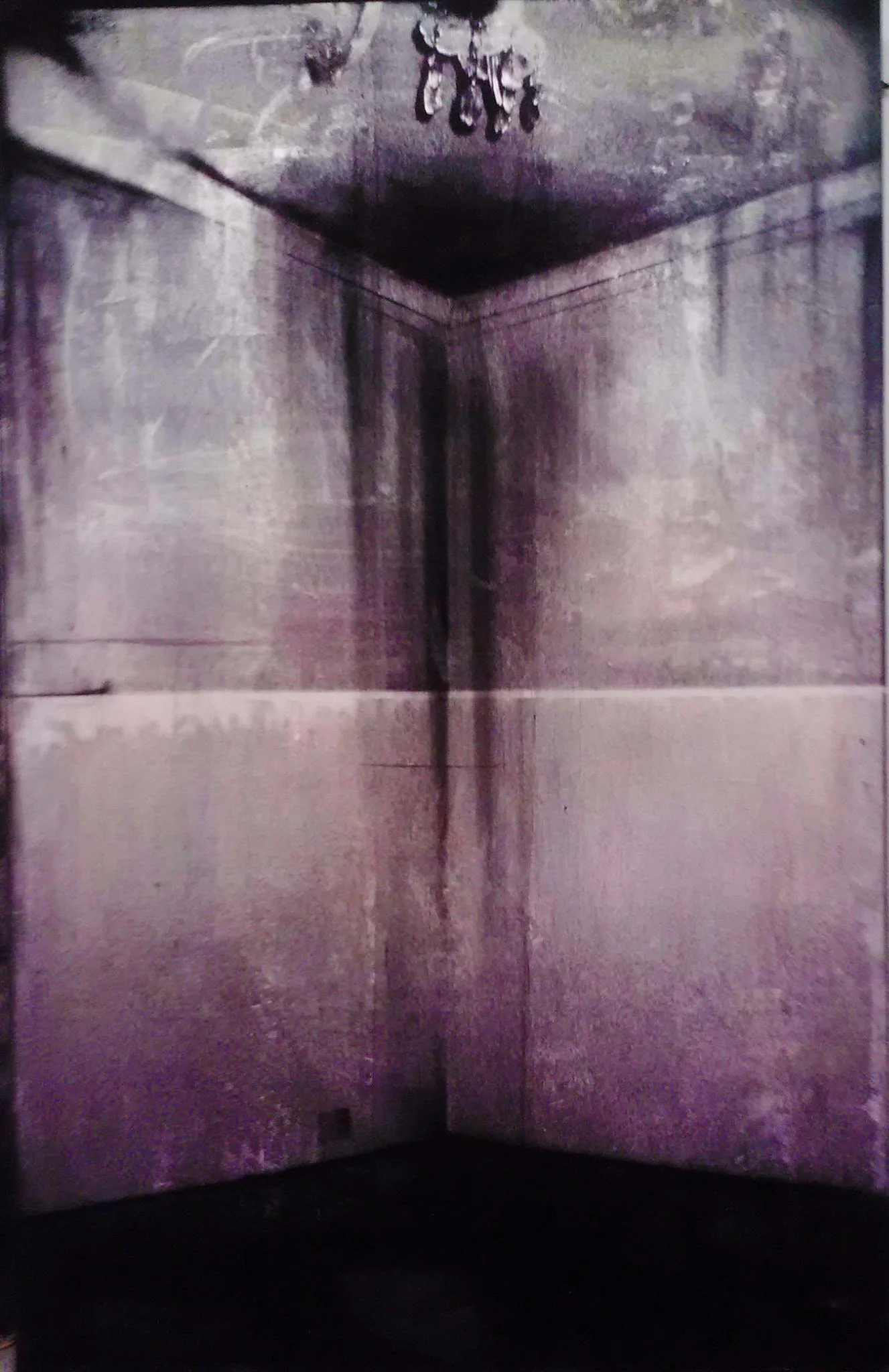
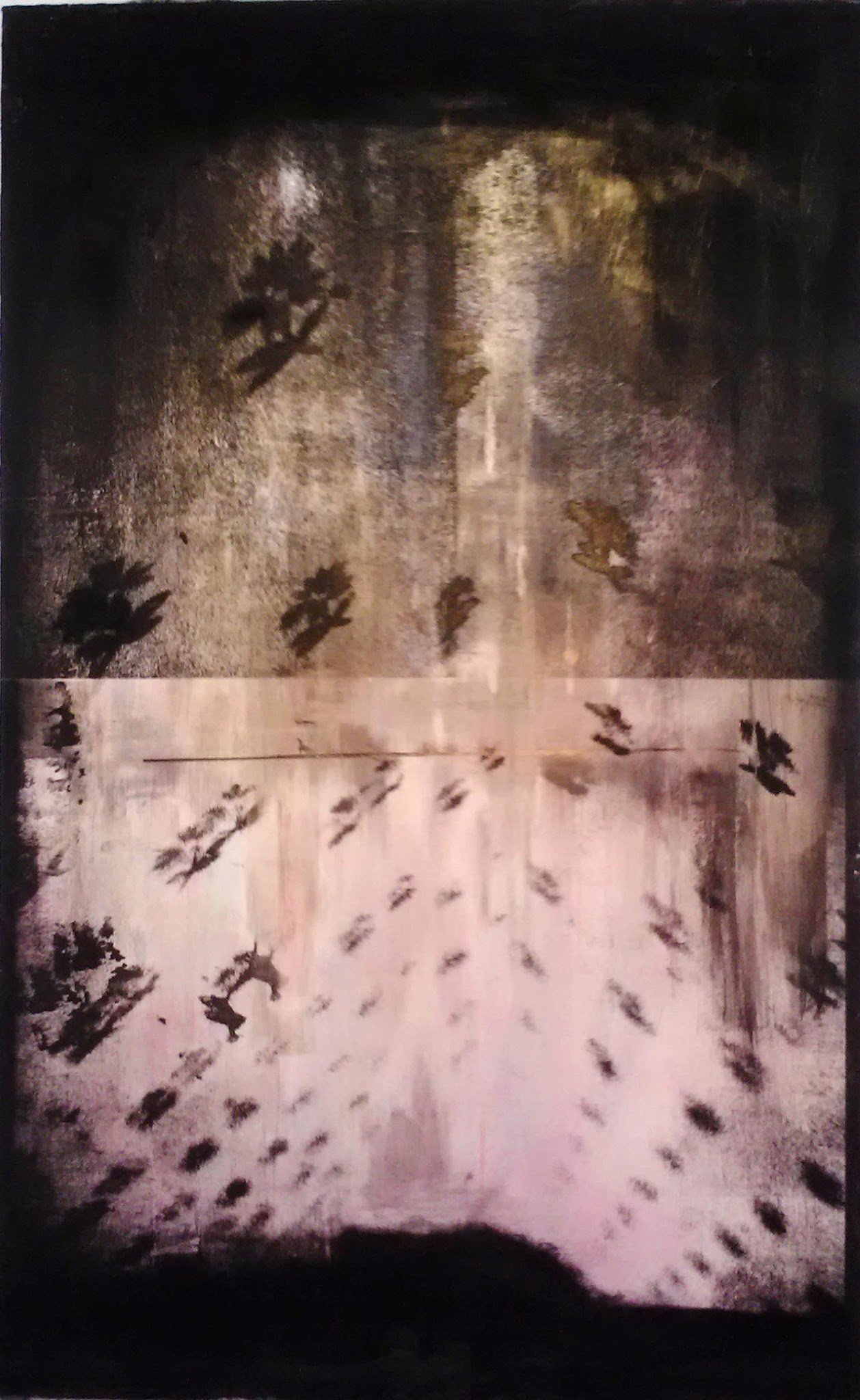
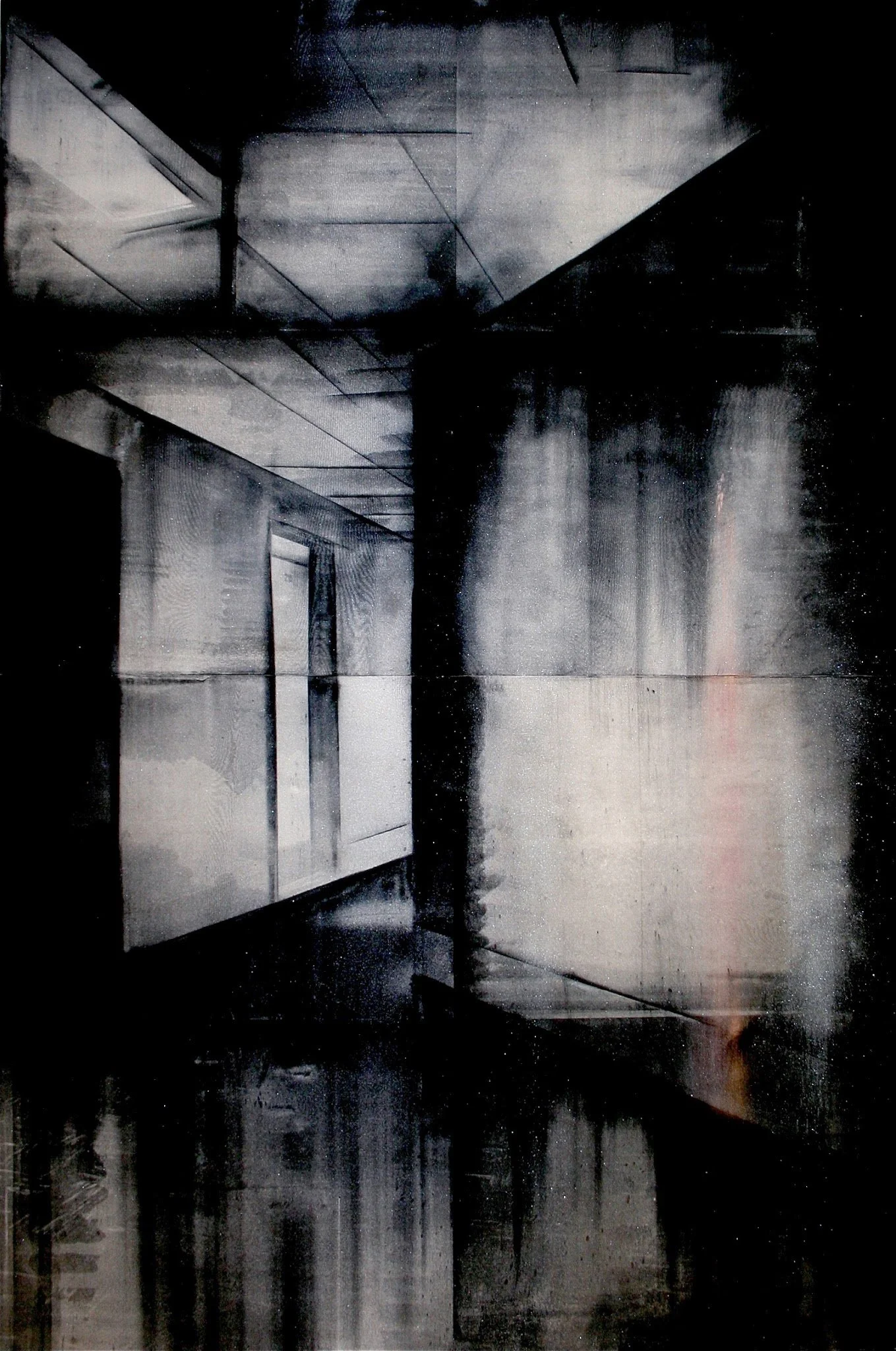
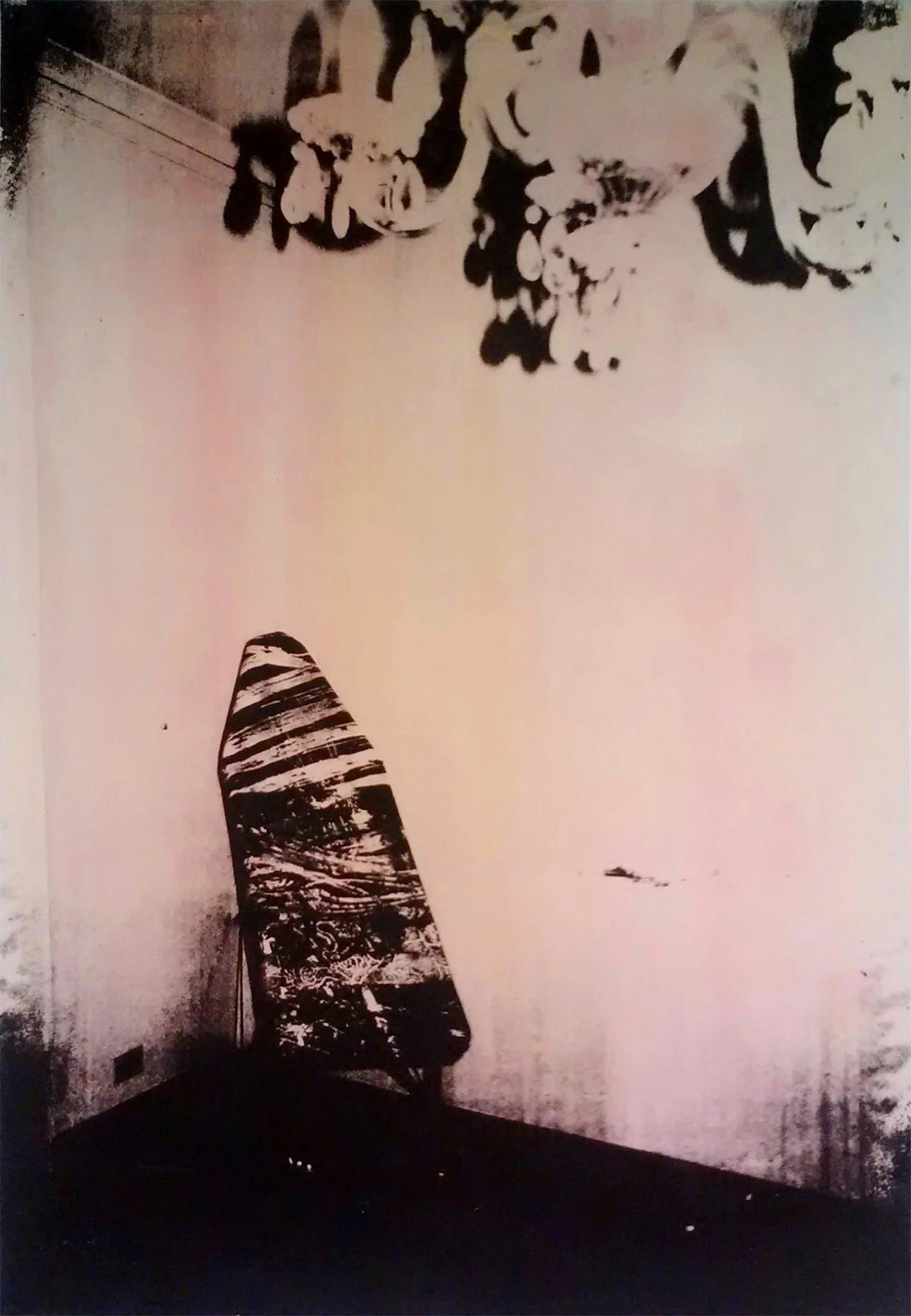
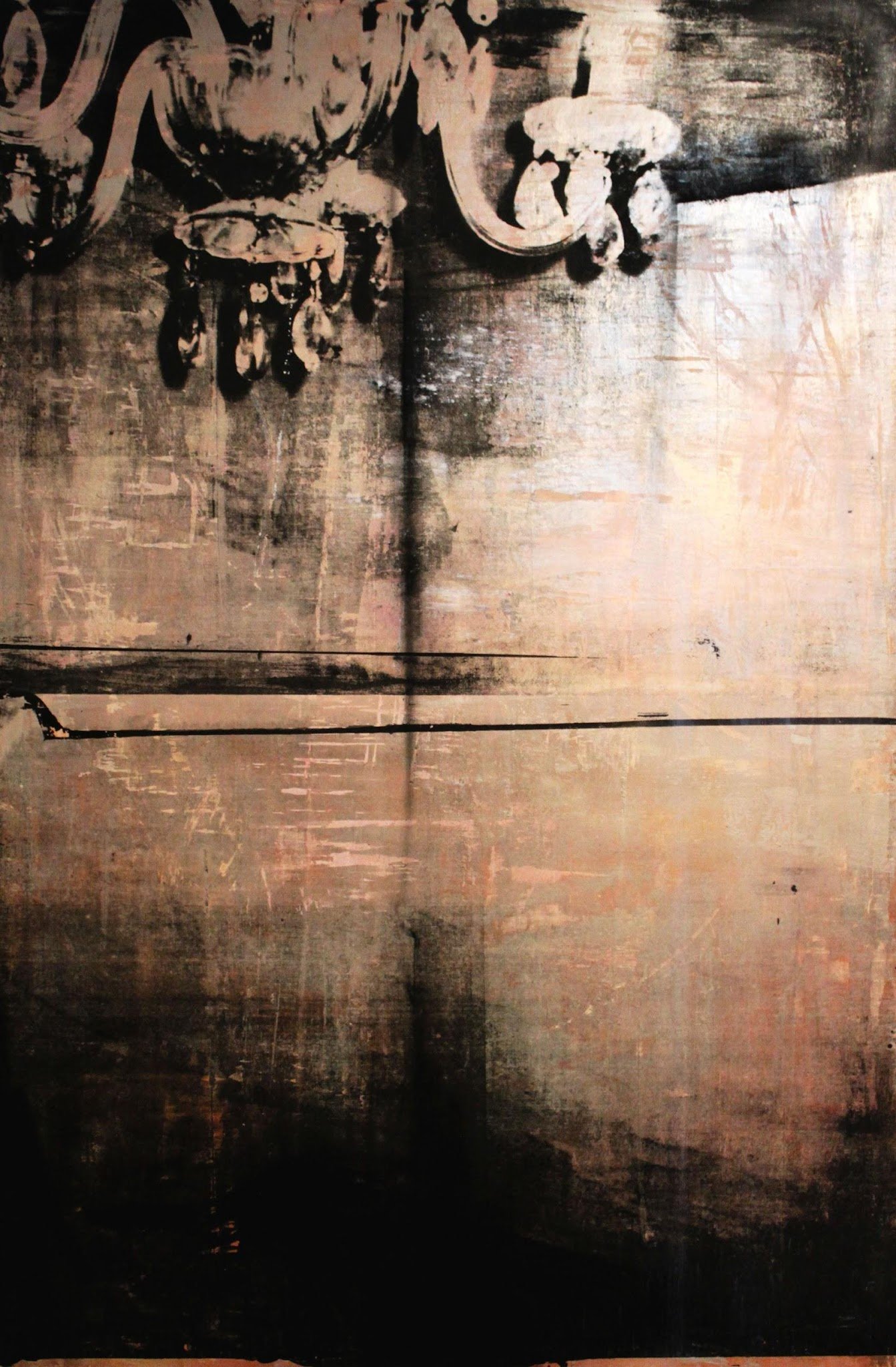
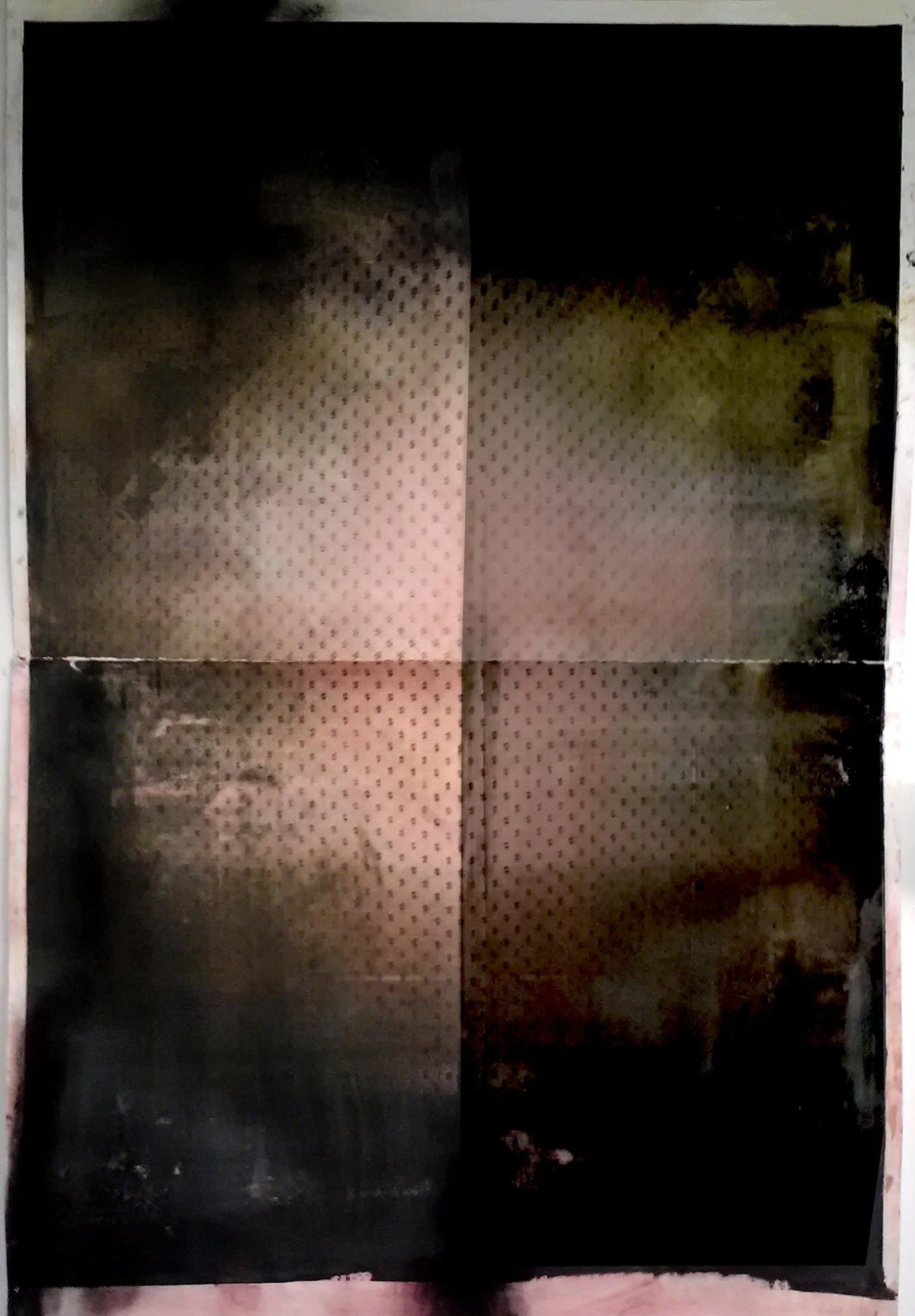
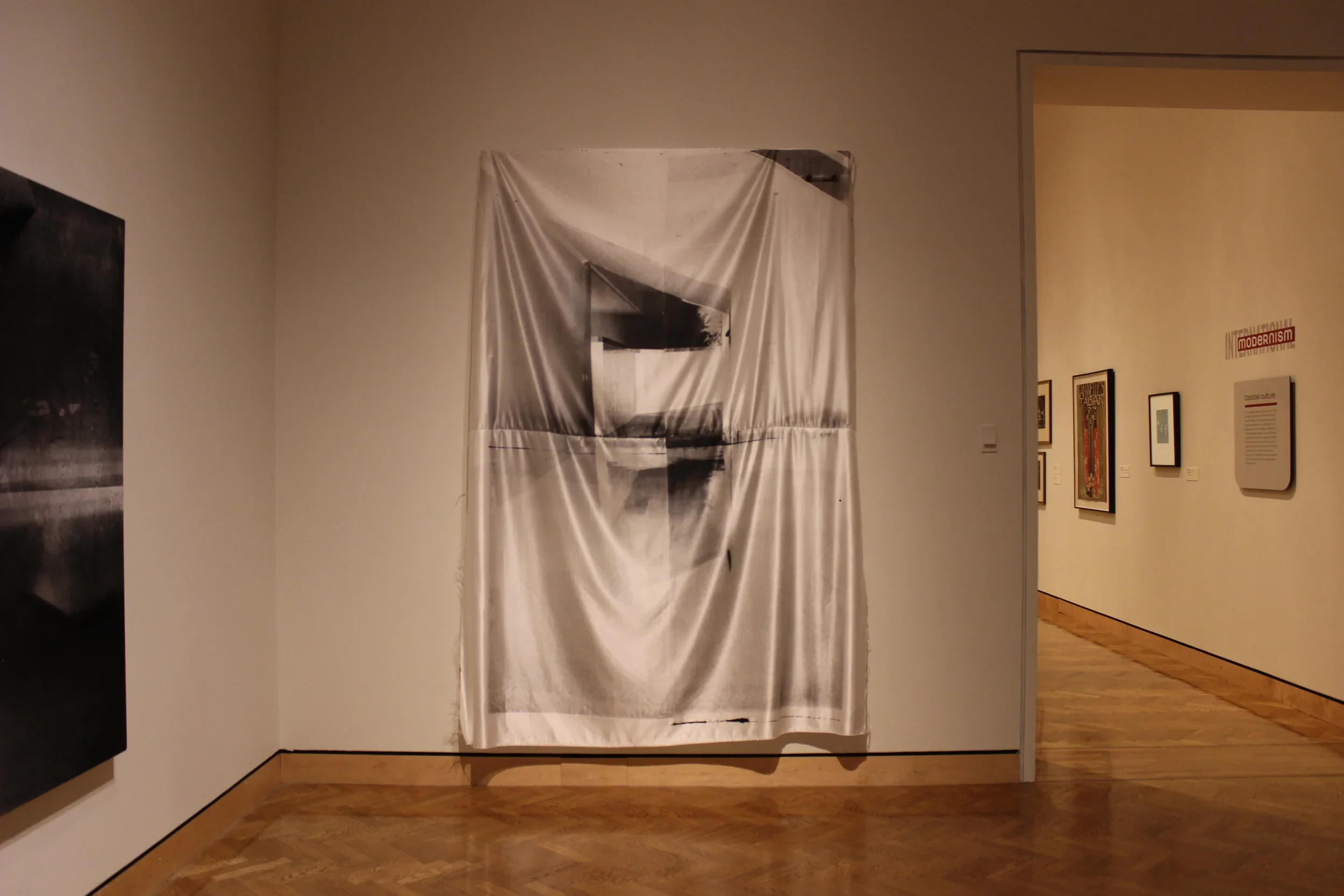
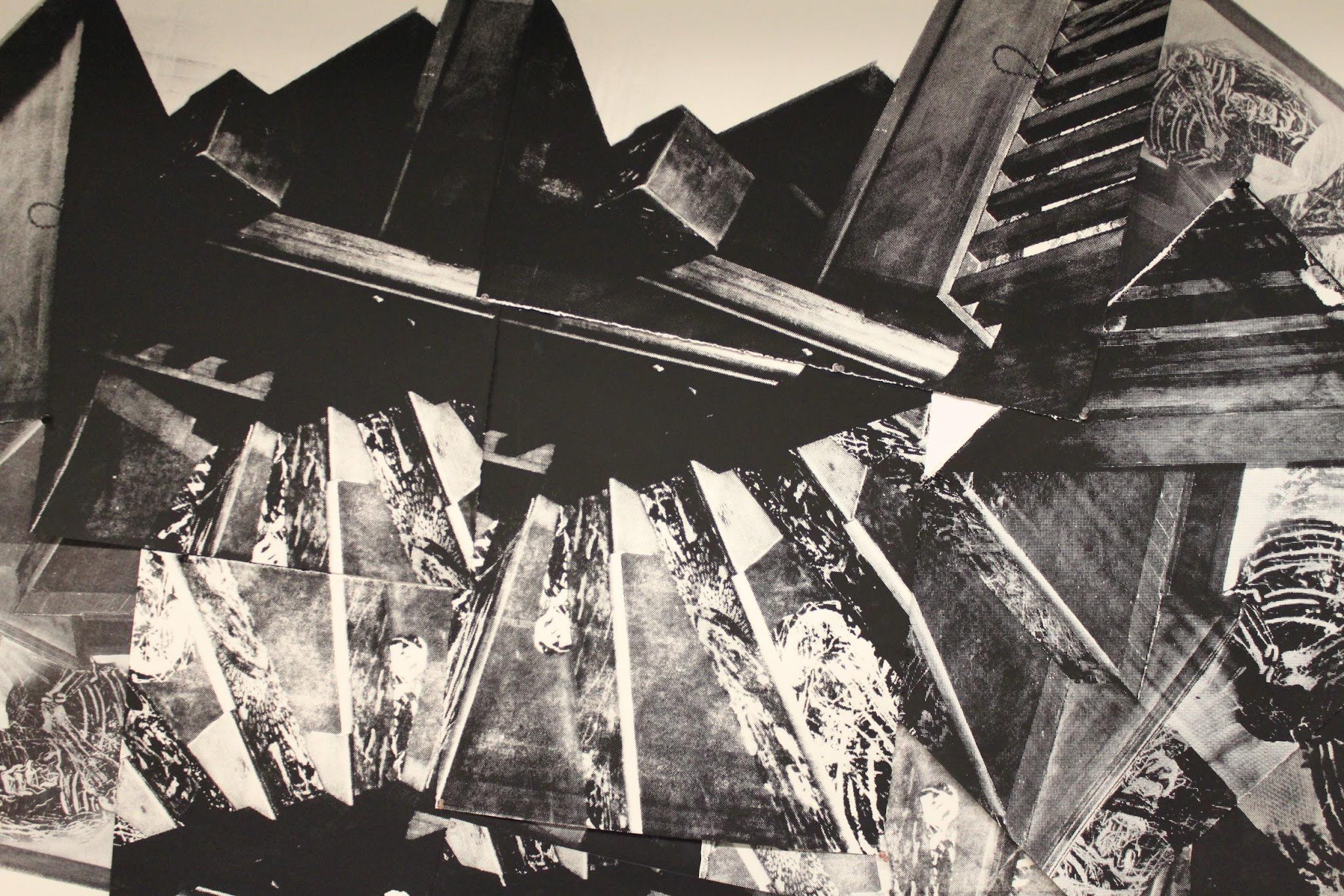
The Air Inside, screen prints on linen, satin, and paper, Large-scale screenprints capture interior spaces in stillness—rooms emptied of people but full of presence. Walls define these spaces, marking boundaries between inside and outside, between what is held and what is released. Yet walls are never truly impermeable: light seeps through, air circulates, memory passes in and out like breath. We never see a room as it truly is but filtered through all the moments we've spent there. These prints preserve interiors as memory does, as impressions, atmospheres, the feeling of a room rather than its exact dimensions.
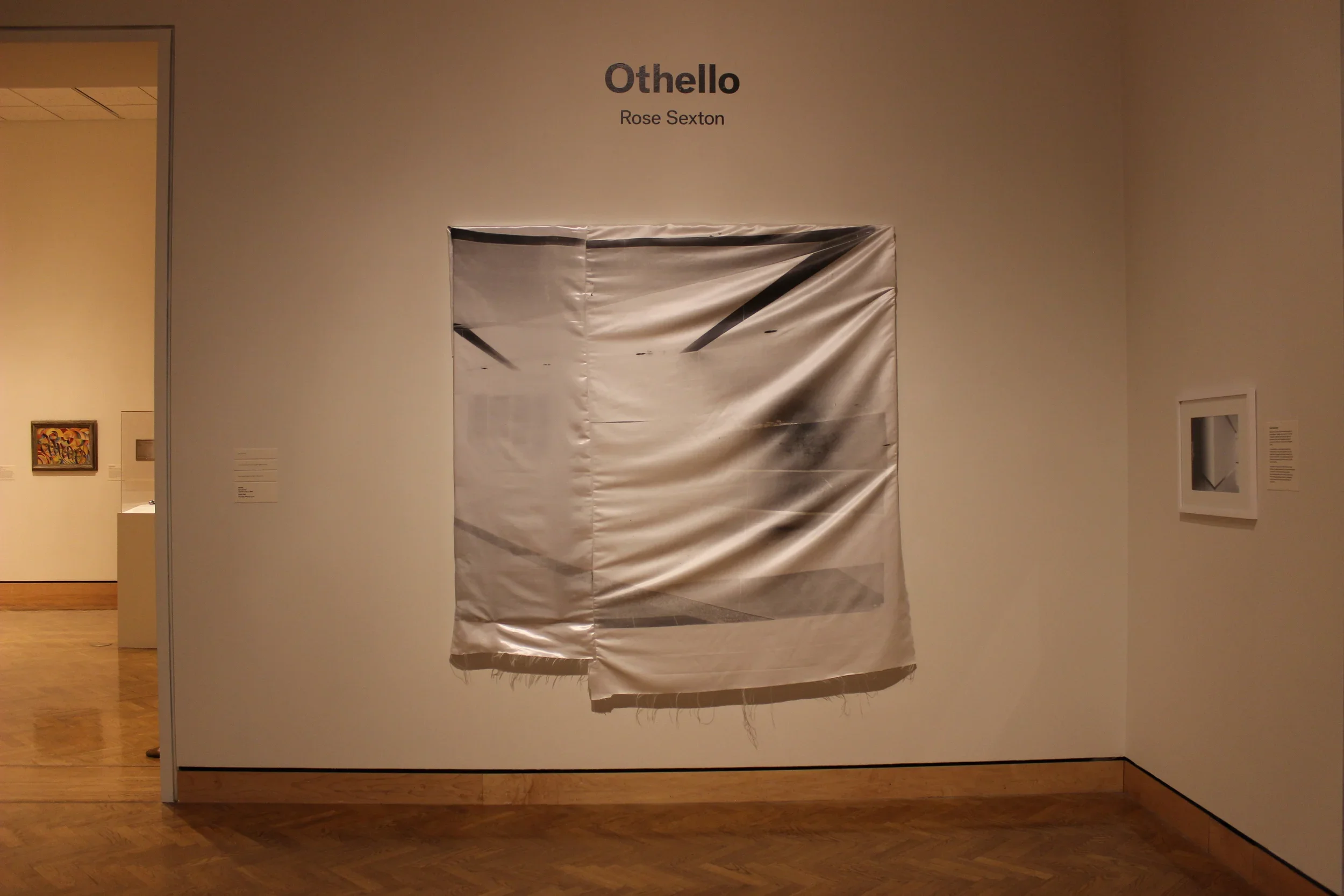
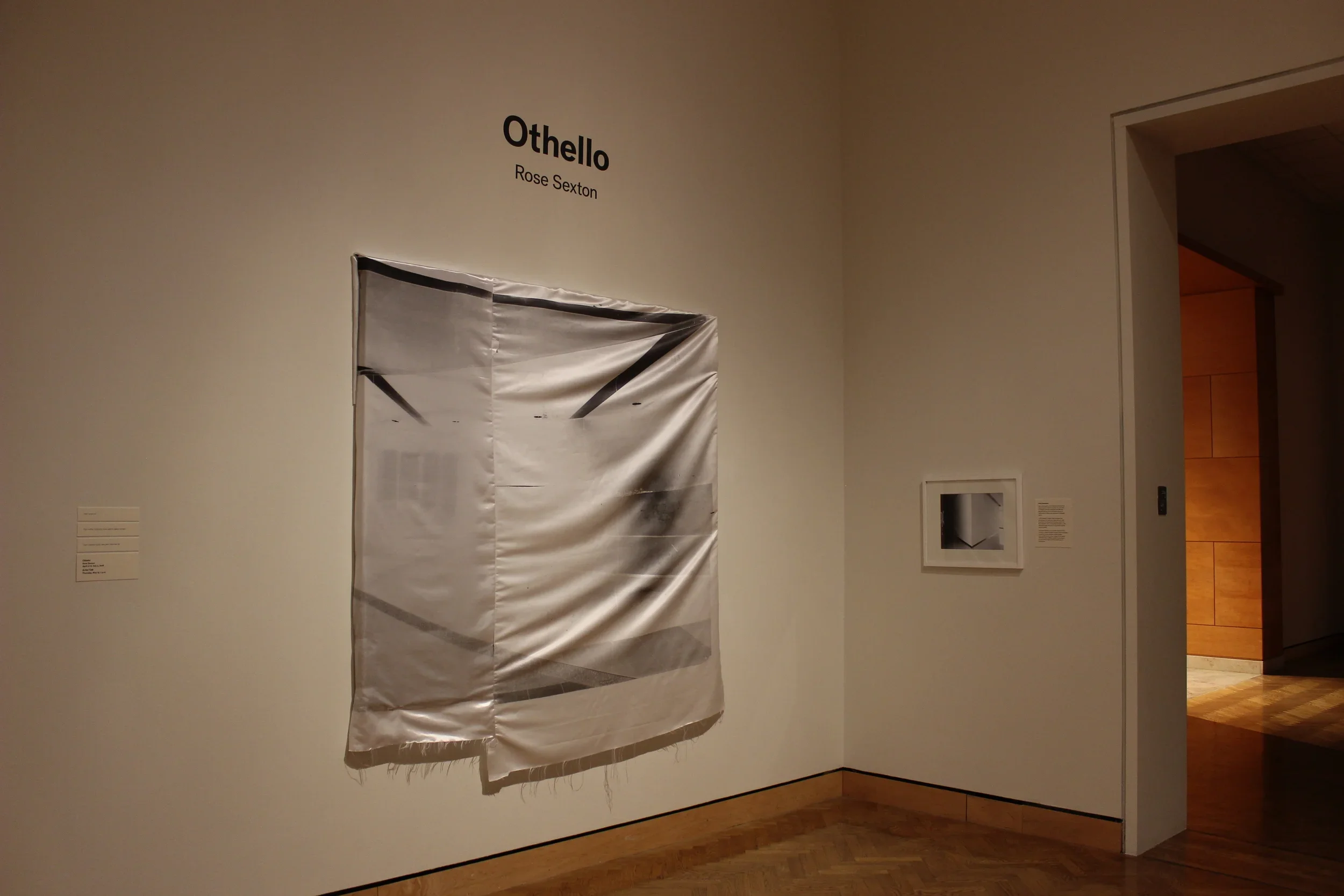
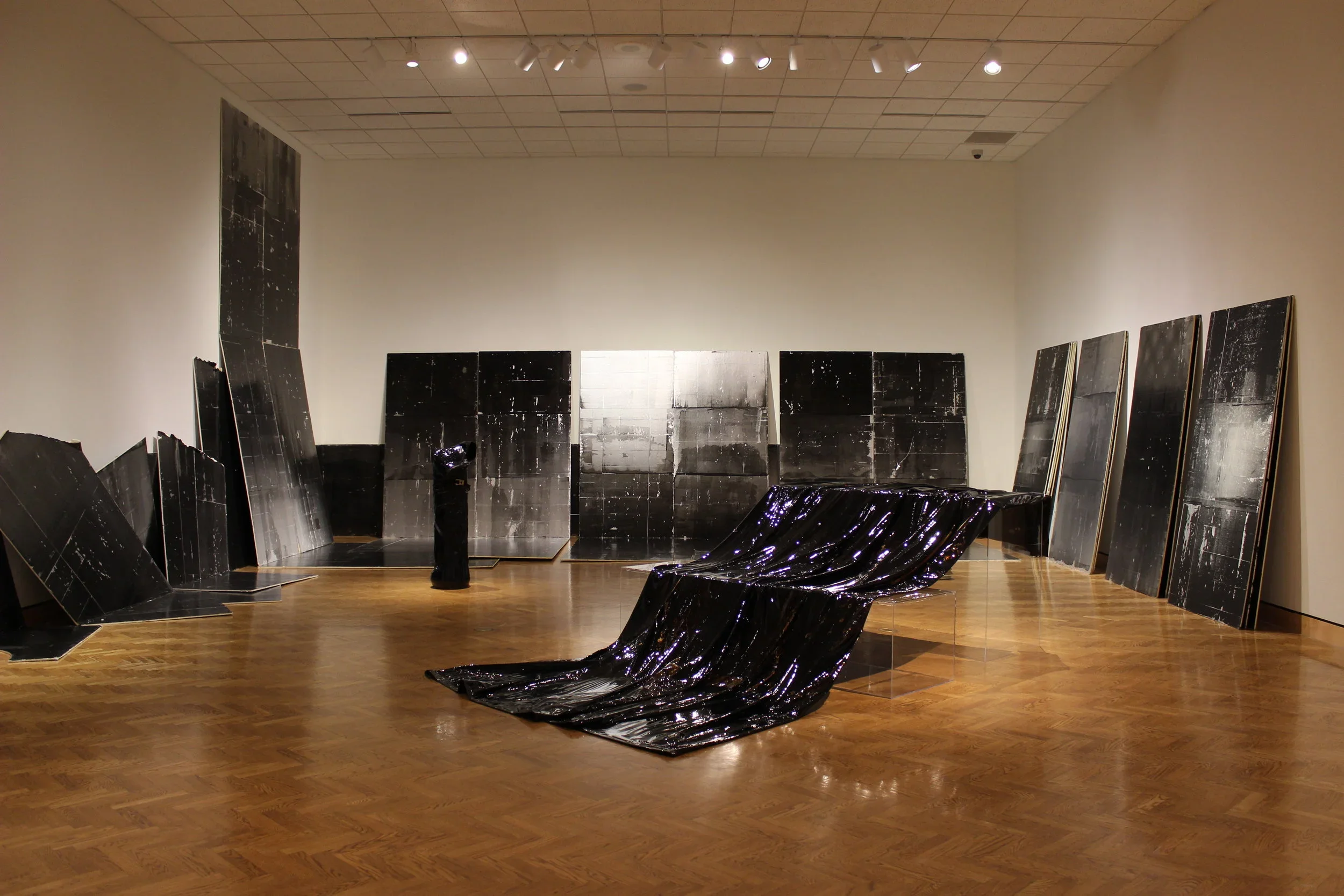
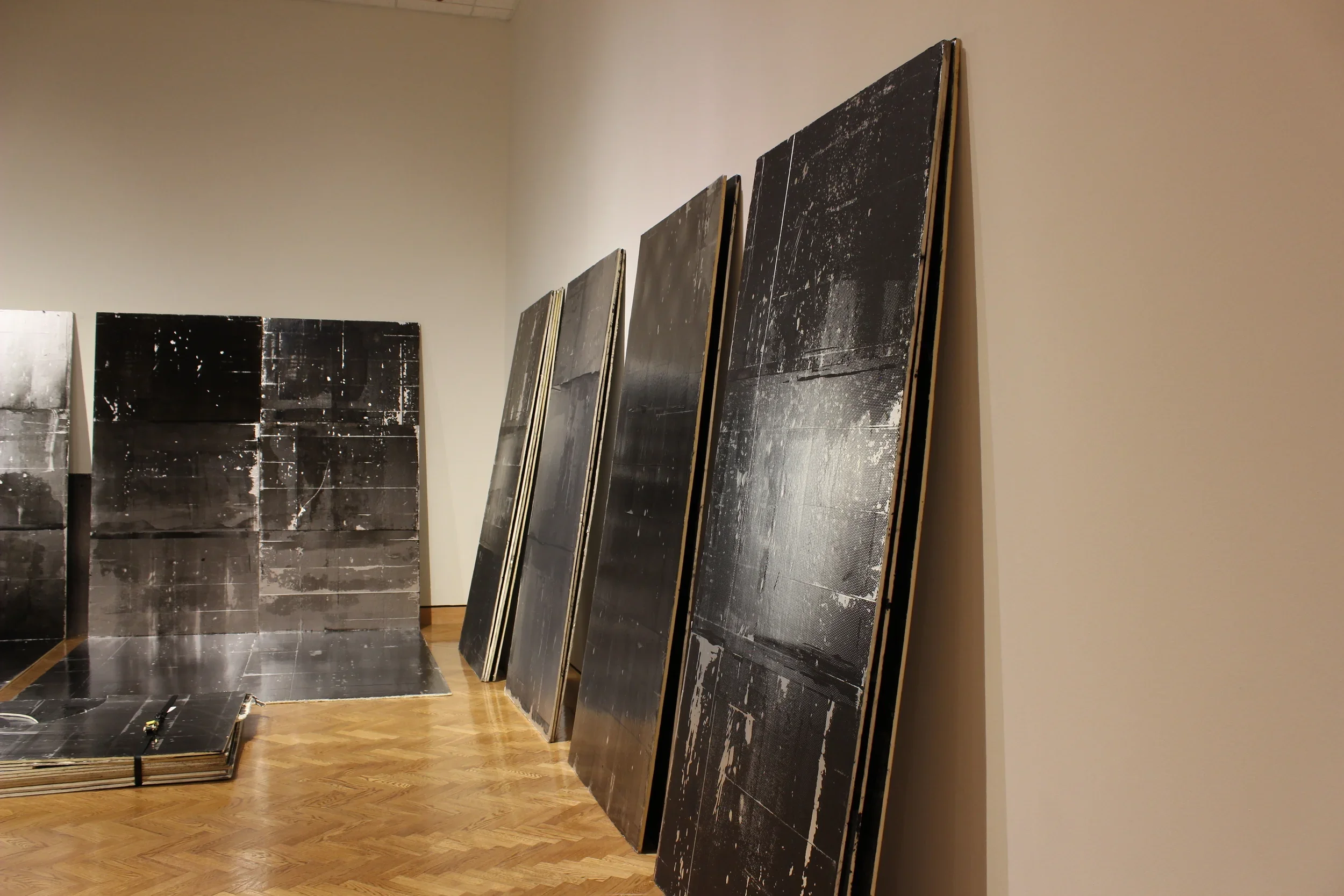
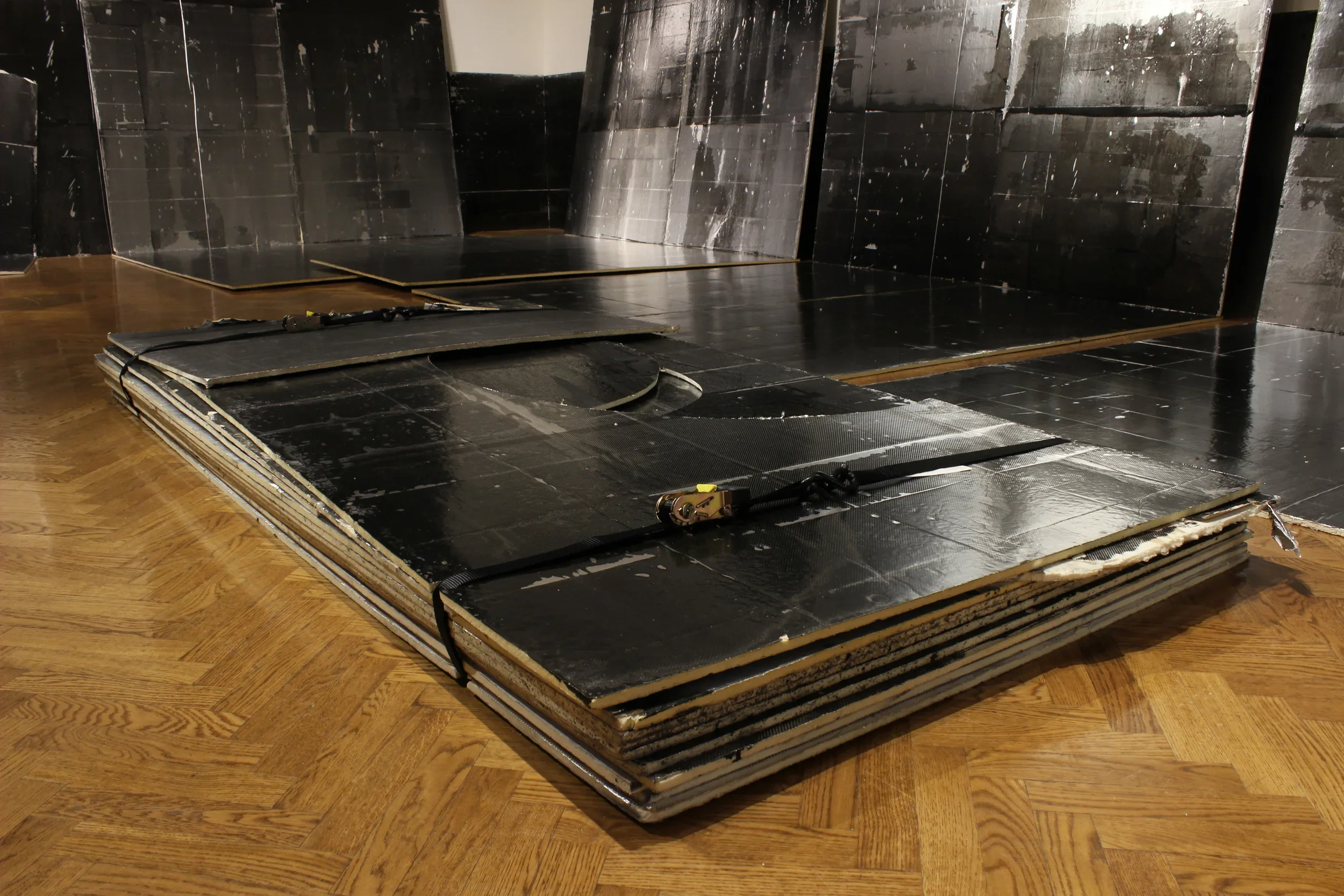
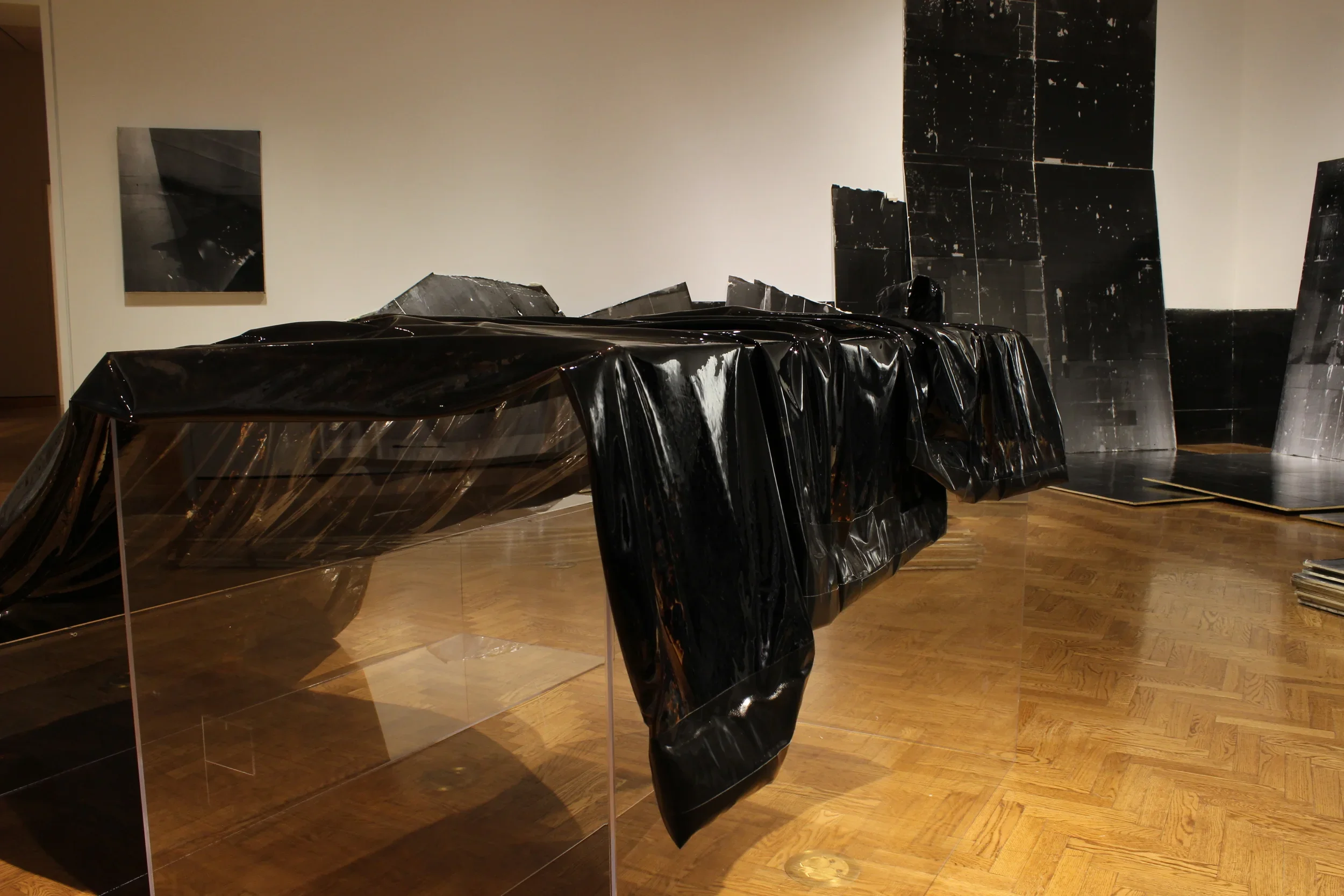
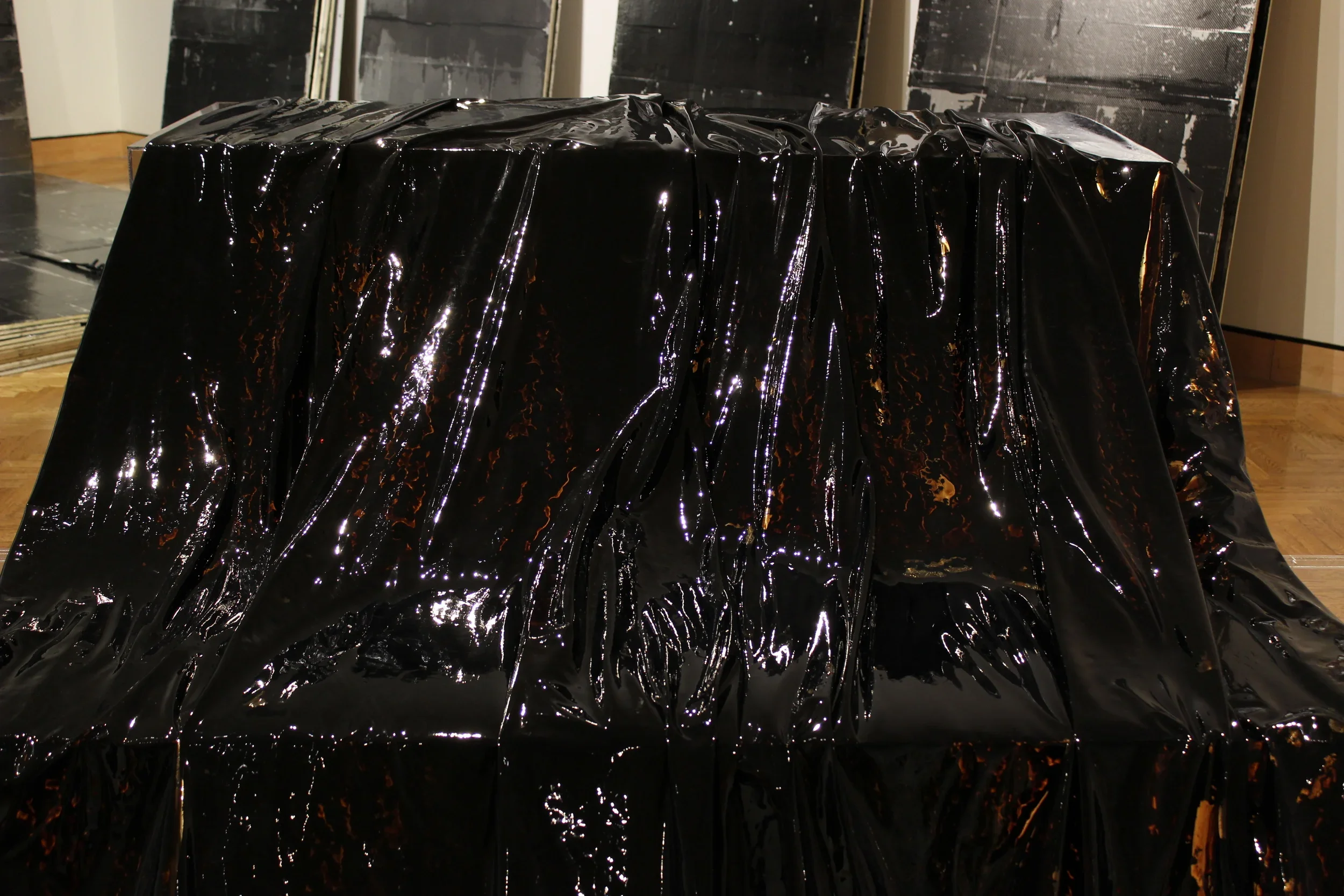
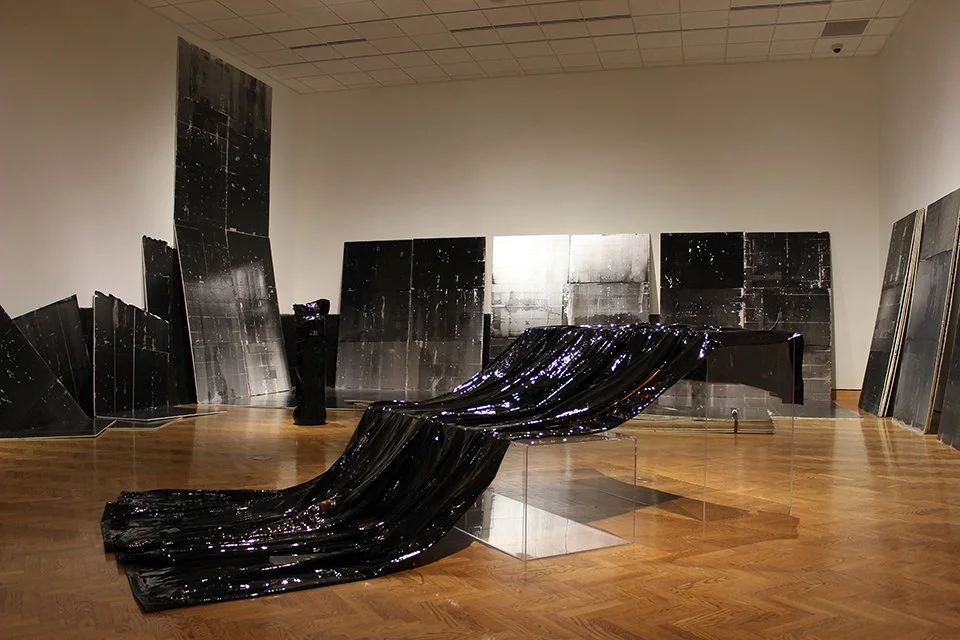
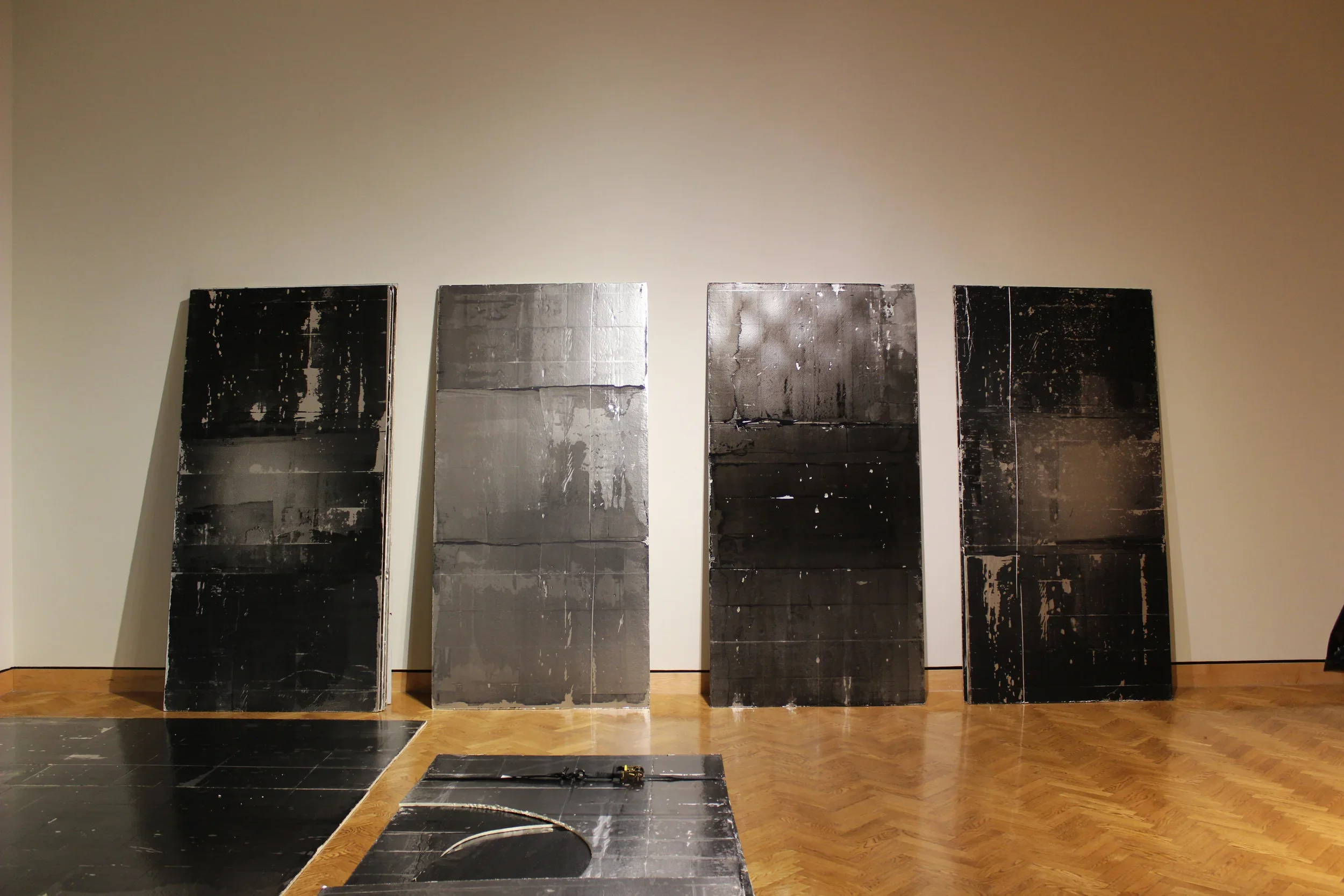
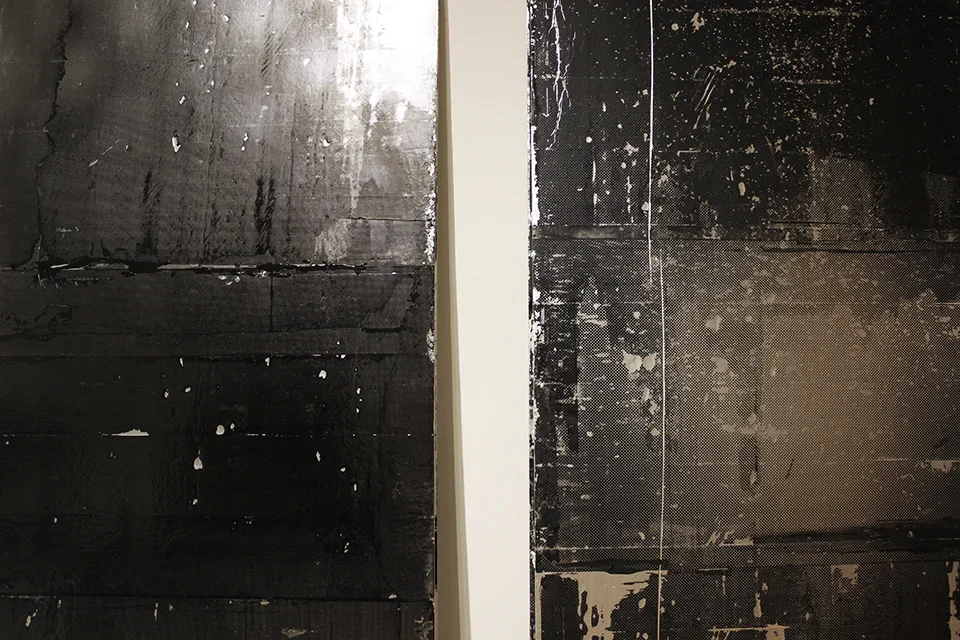
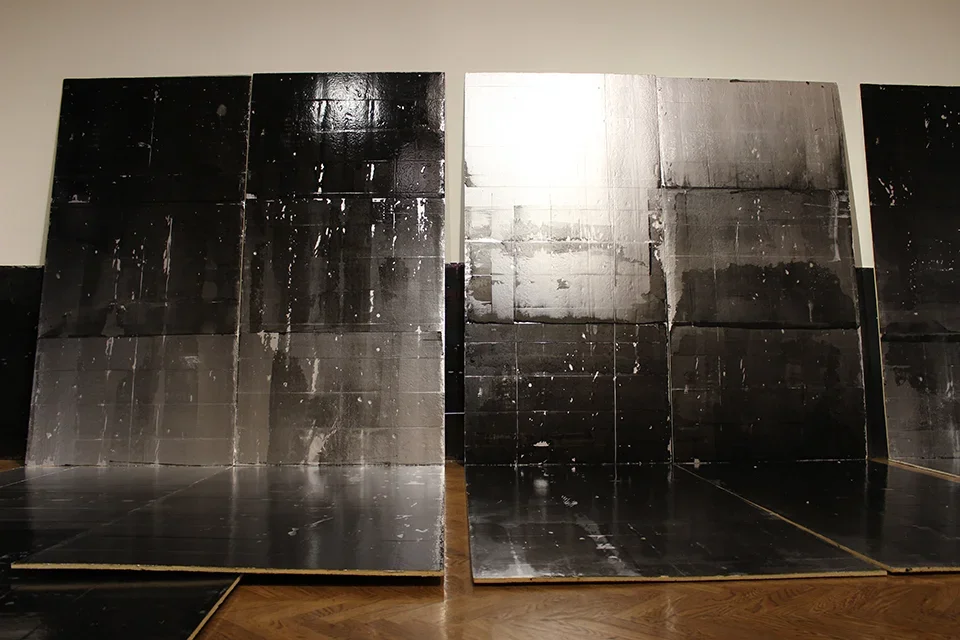
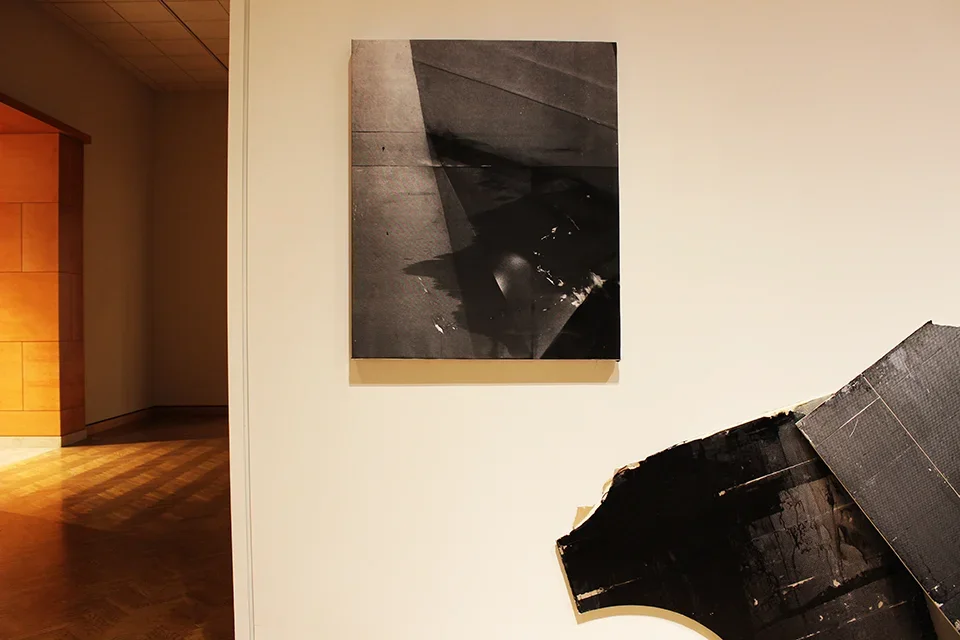
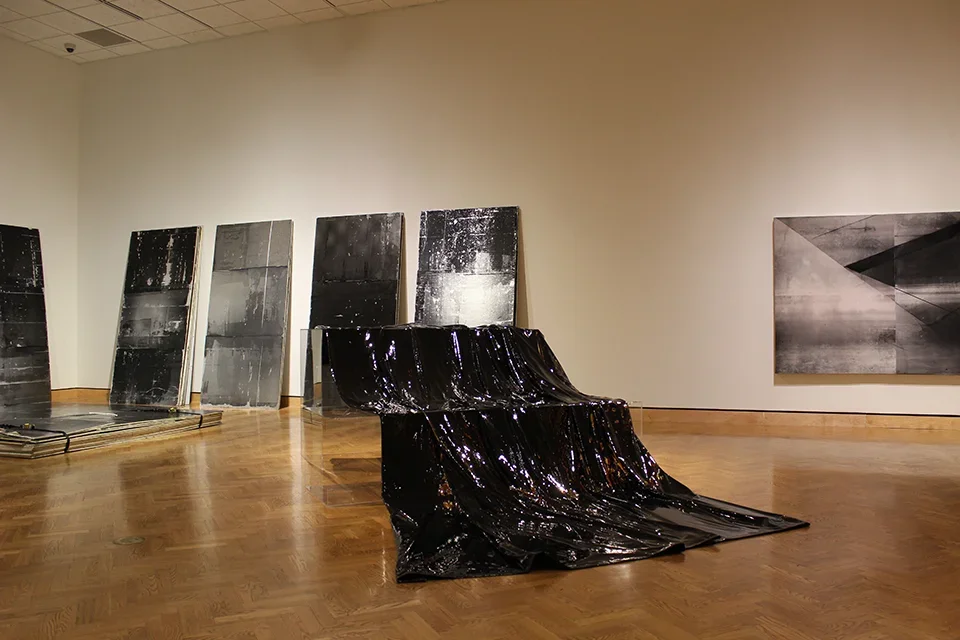
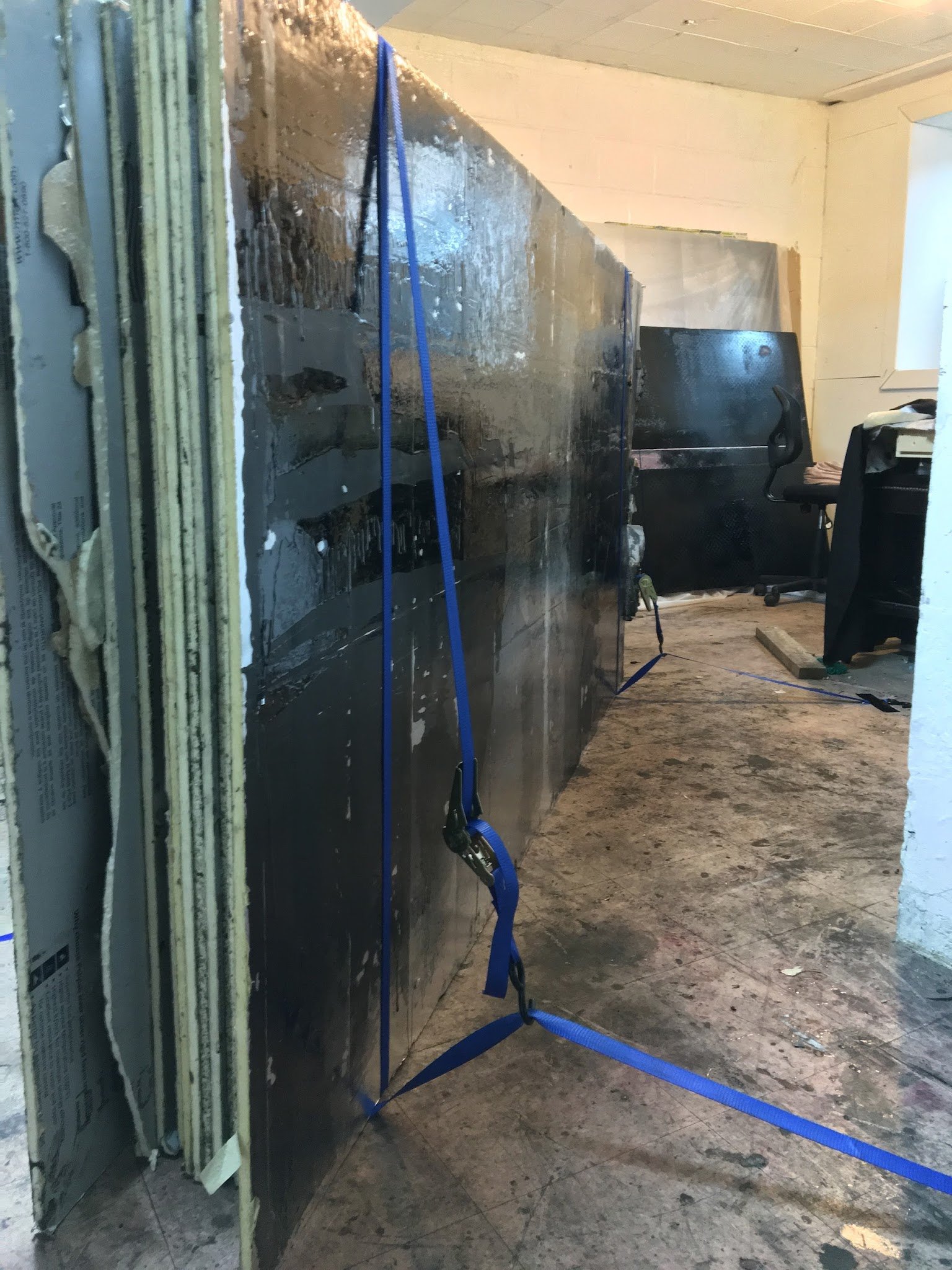
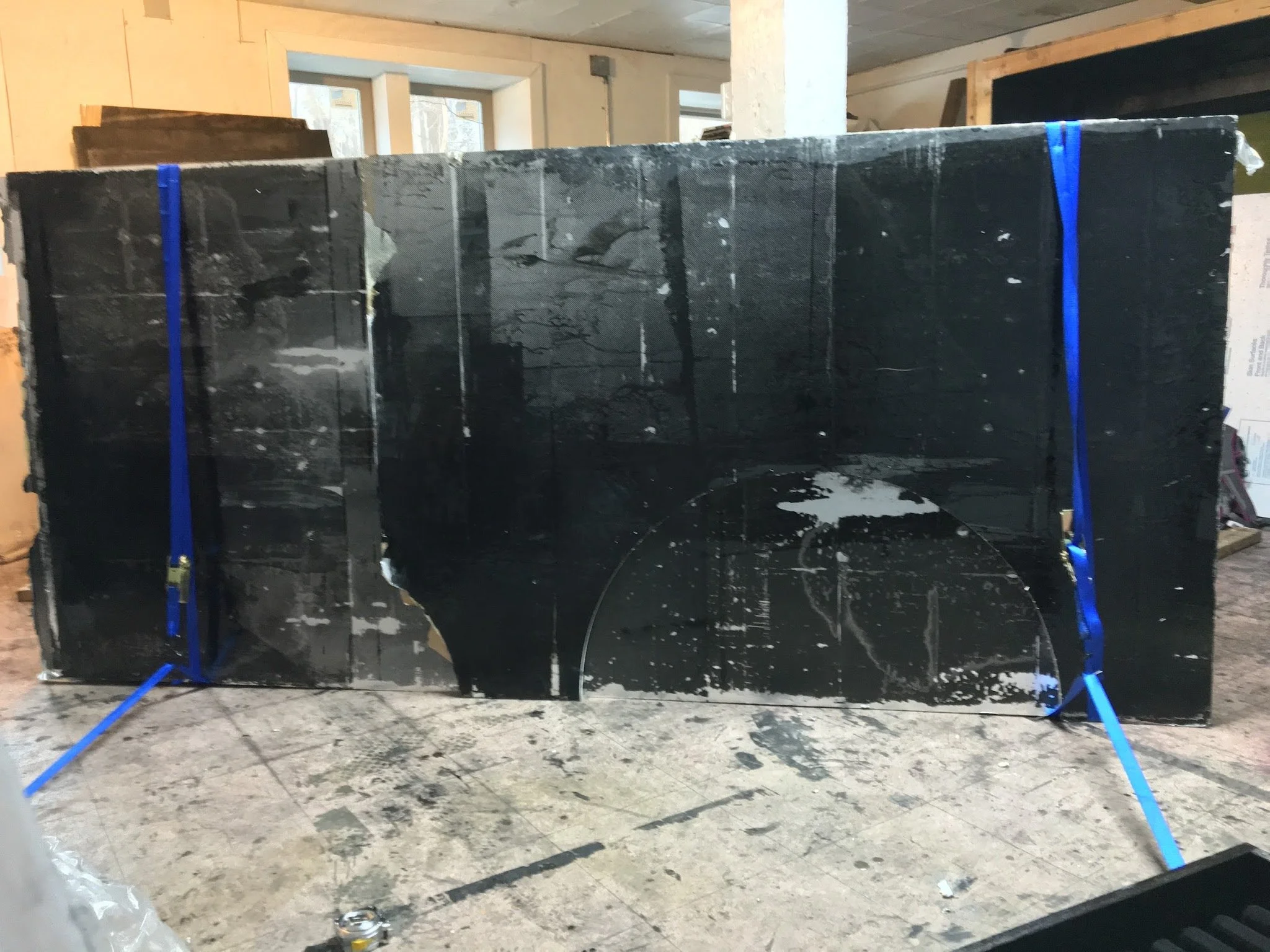
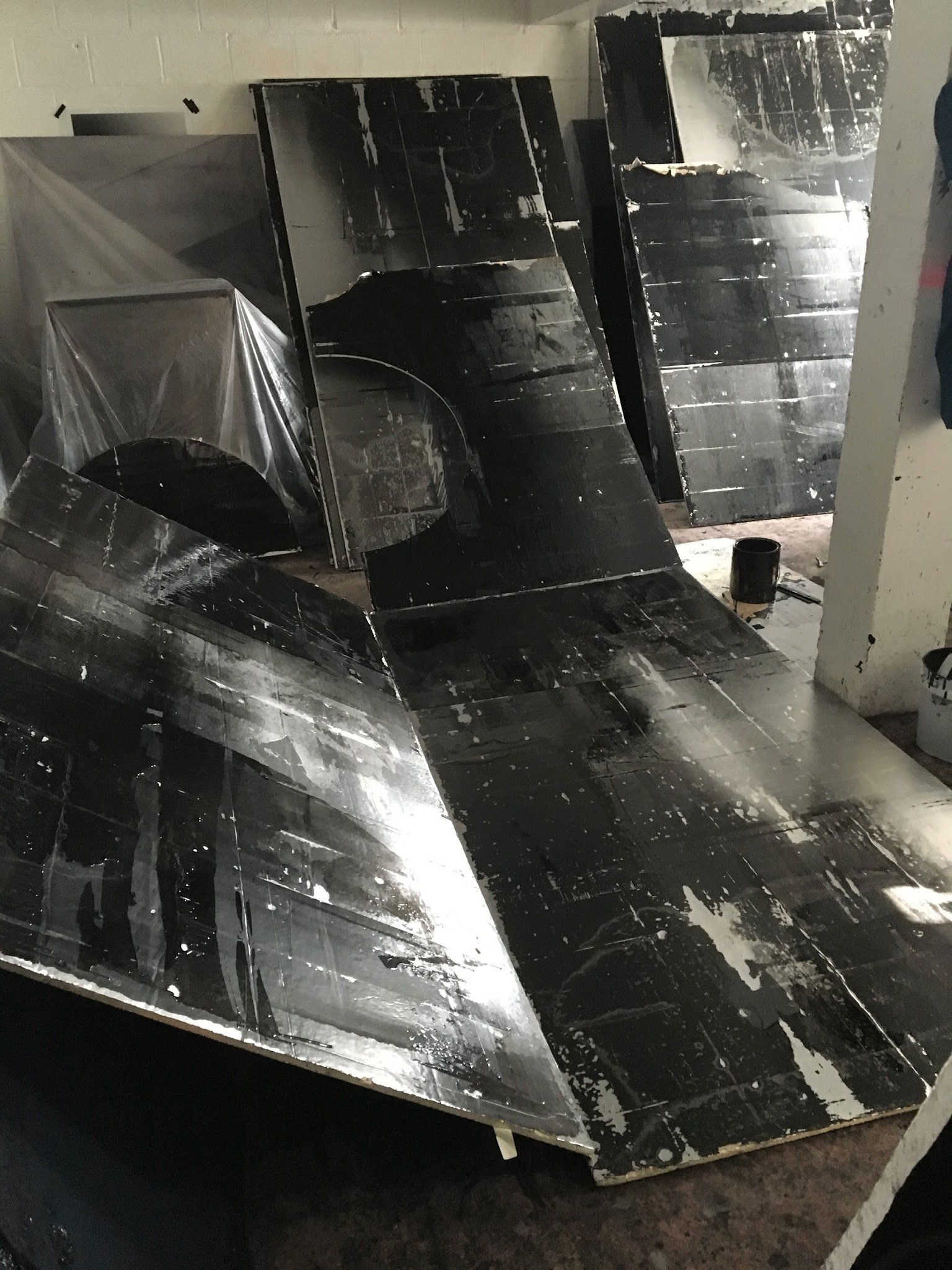
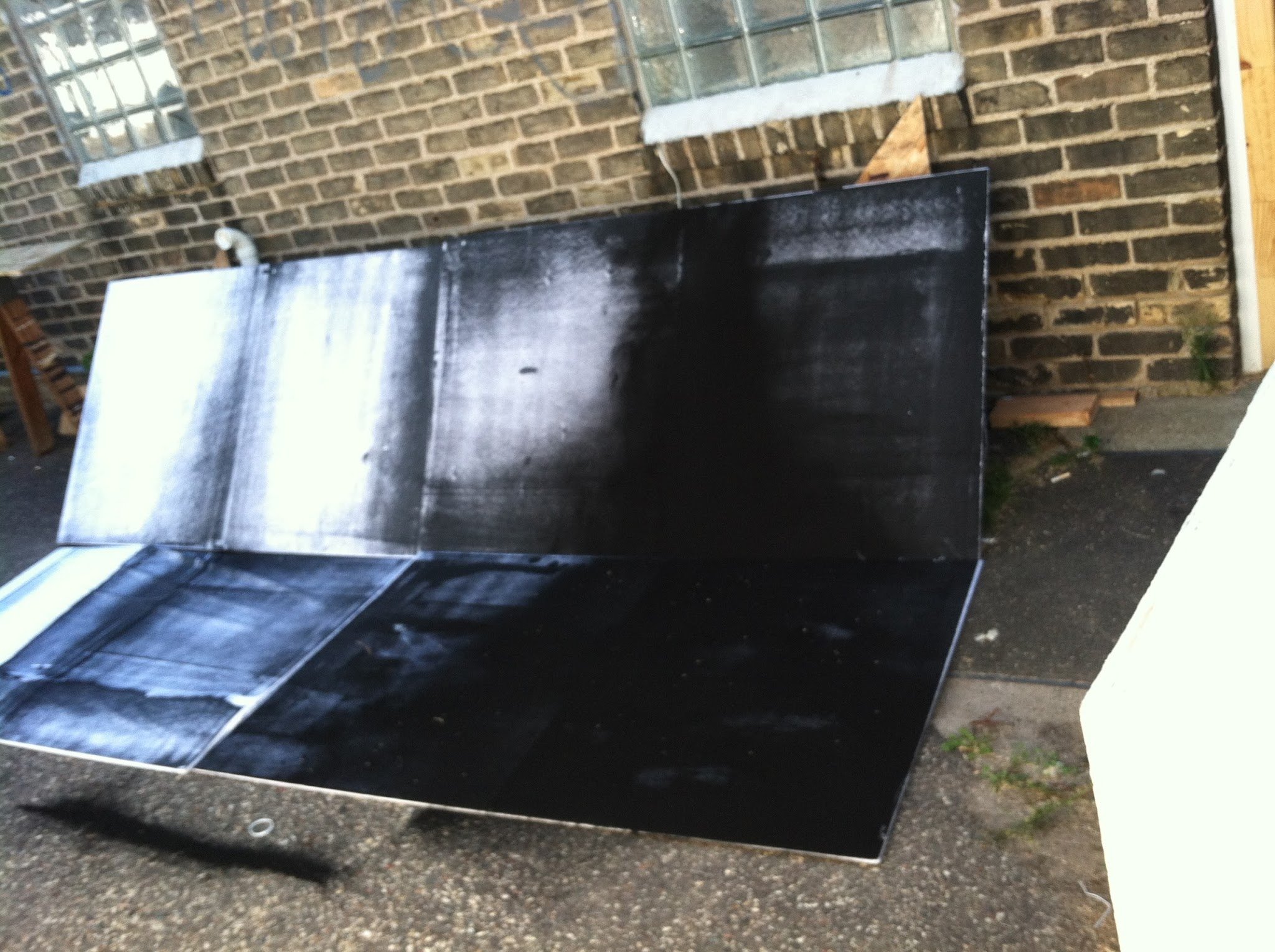
Othello, found object (shutterstock image), 4’x8’ sheets of metallic insulation foam, black housepaint, liquid tar incapsulated in plastic, screen prints on satin.
A generic Shutterstock image of an empty room—pristine, anonymous, a placeholder for possibility—is translated from digital purity into physical reality. Enlarged to life size and hand-printed in sections onto metallic insulation foam using black housepaint, the image undergoes a transformation. What begins as a clean, controlled photograph becomes something darker through the messy, unpredictable process of printmaking. The hand-printing leaves streaks, inconsistencies, the evidence of labor and loss of control. Purity gives way to darkness.
Dozens of 4x8 foot foam panels are installed in the Minneapolis Institute of Art, interrupting the clean, empty gallery space. The nondescript room from the photograph infiltrates the actual room, and both shift. What was bright becomes shadowed; what was neutral takes on weight. The work explores how spaces transform—how a room that begins as blank and innocent can darken through what happens within it, through what is brought into it, through memory's ability to rewrite a place entirely.
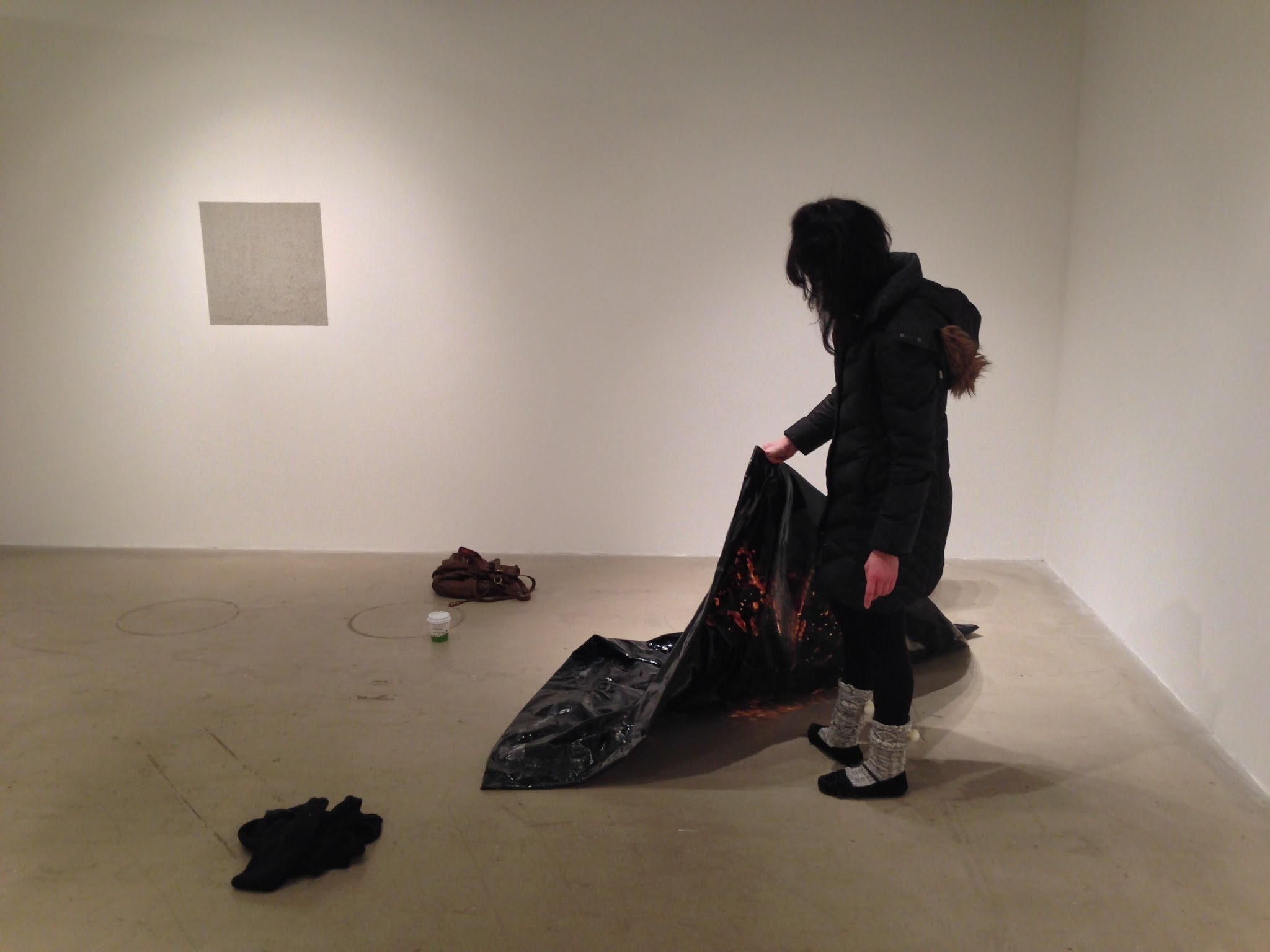
Within the Othello installation, liquid tar is encapsulated in clear plastic—a dangerous, toxic substance suspended and contained. Sealed within its transparent casing, the tar transforms. What should repel instead captivates: it gleams like polished stone, catches light like a gem, shifting with an unexpected beauty. The plastic holds the toxicity at bay, allowing it to be seen differently, turned in the light until it reveals something precious.
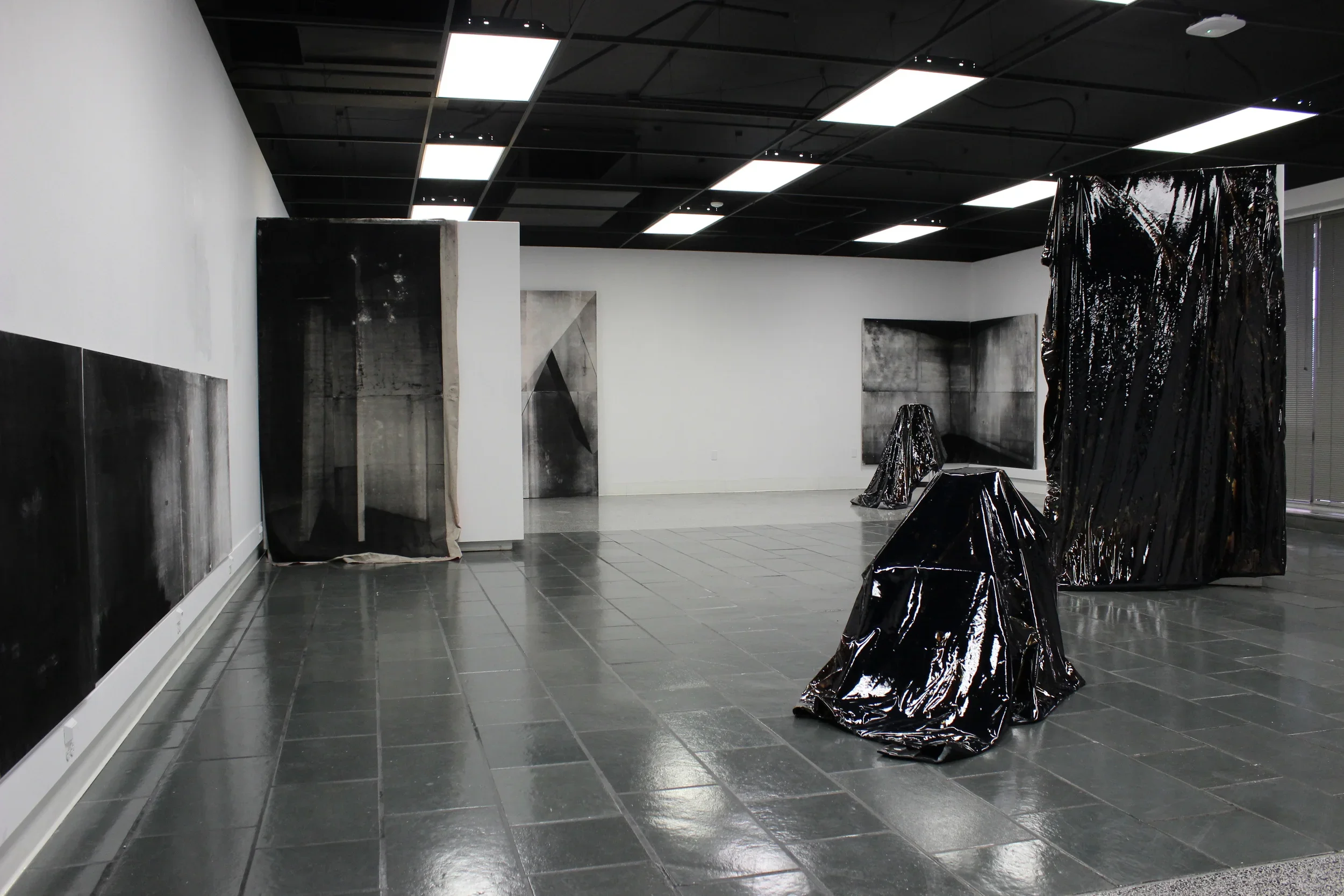
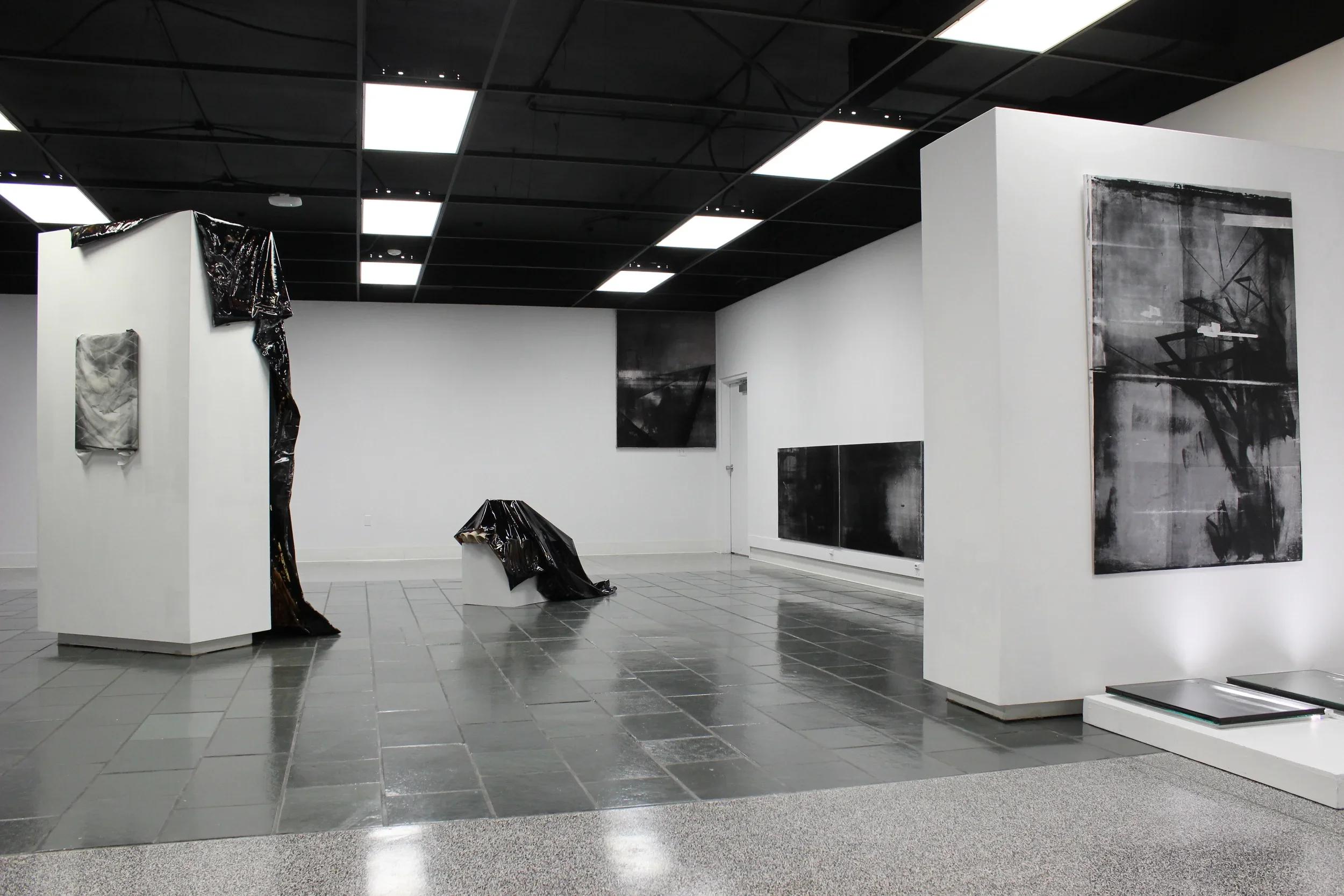
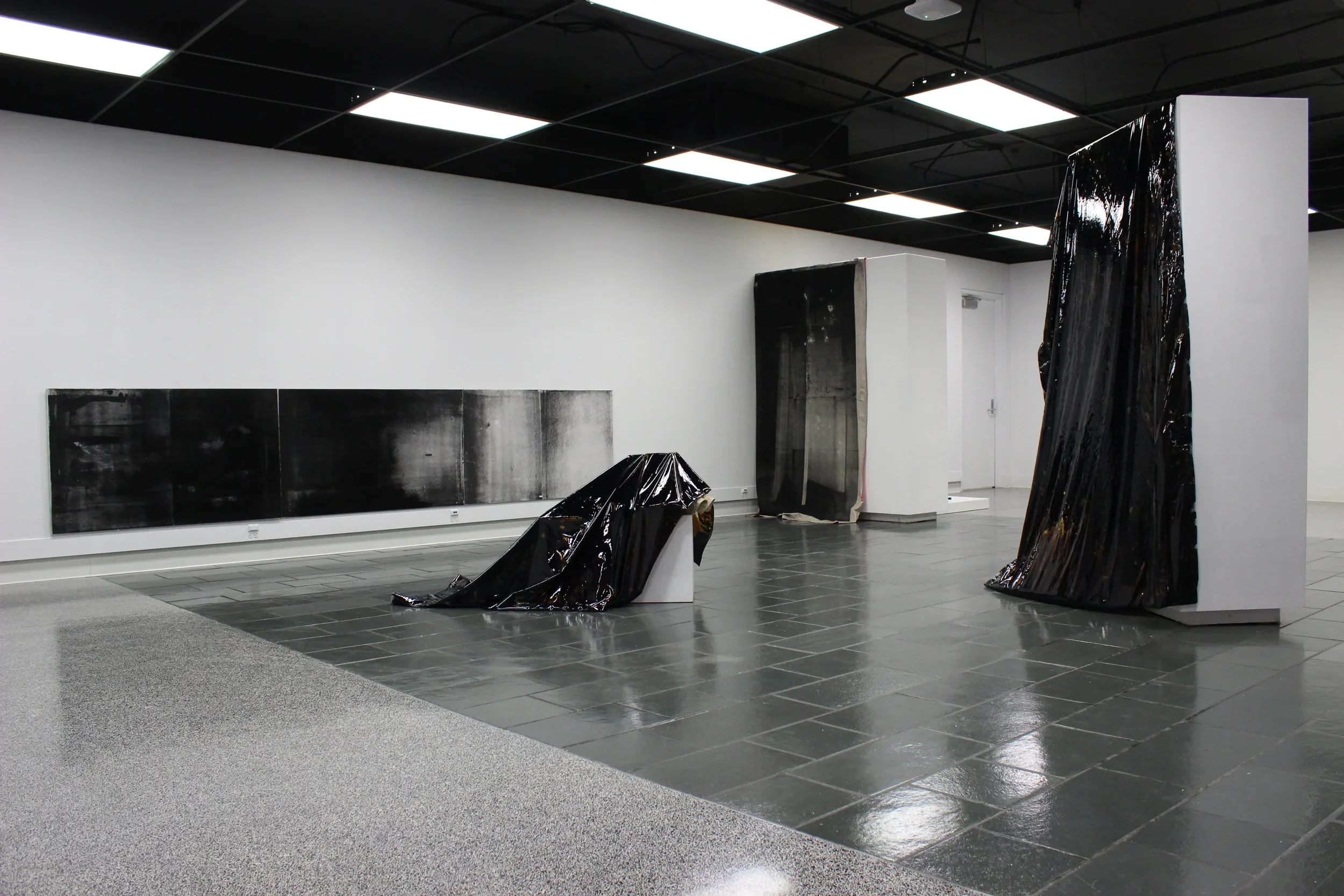
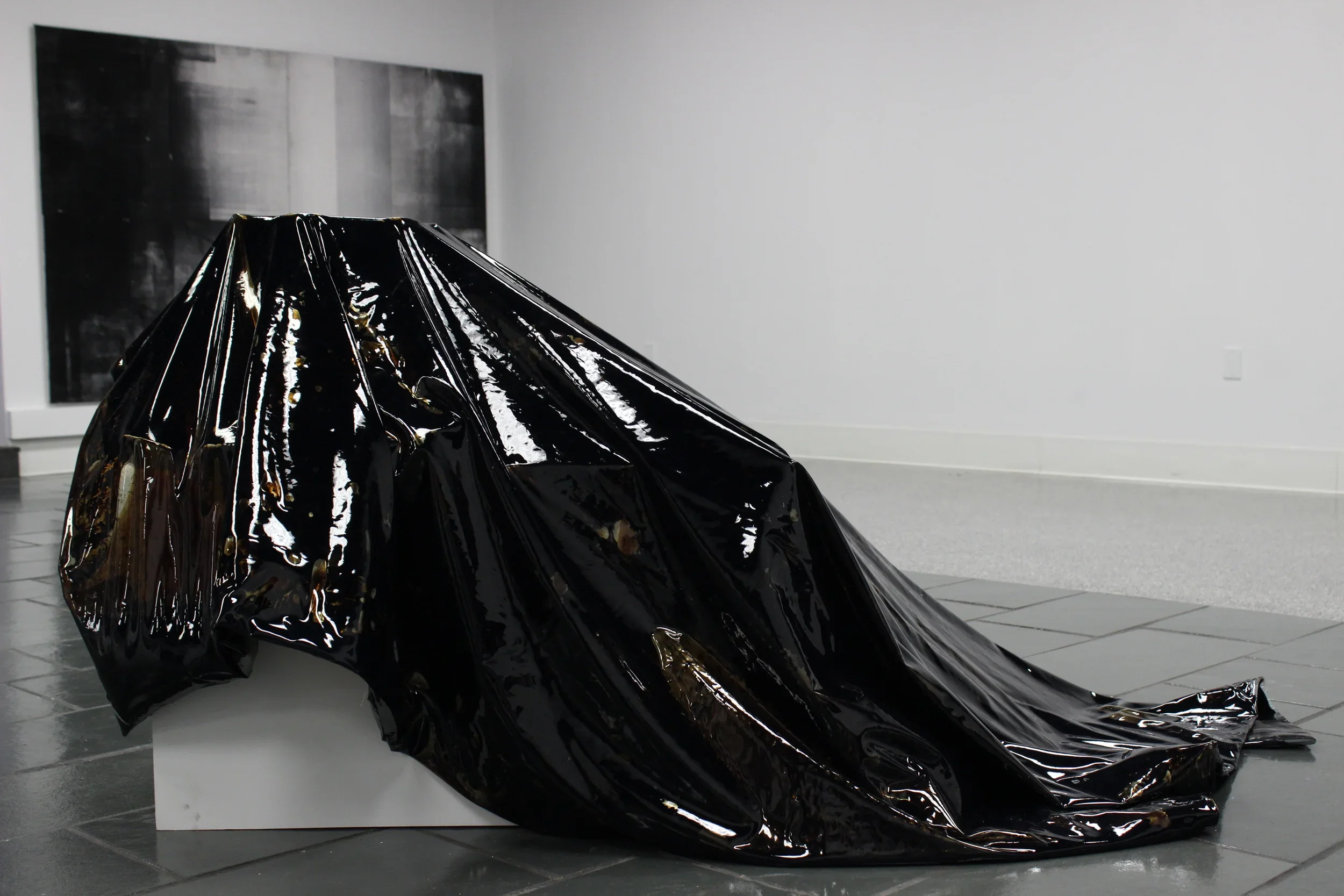
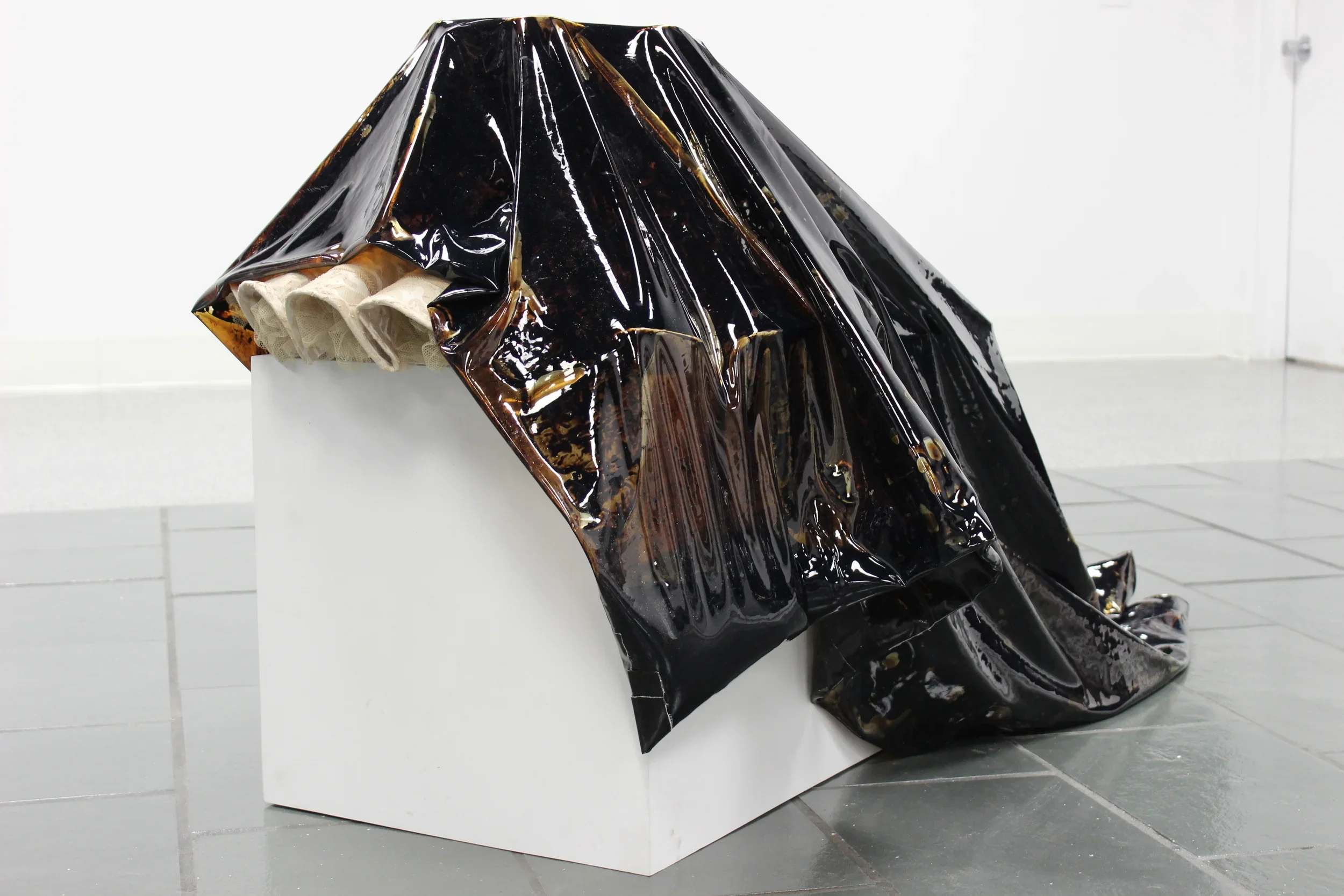
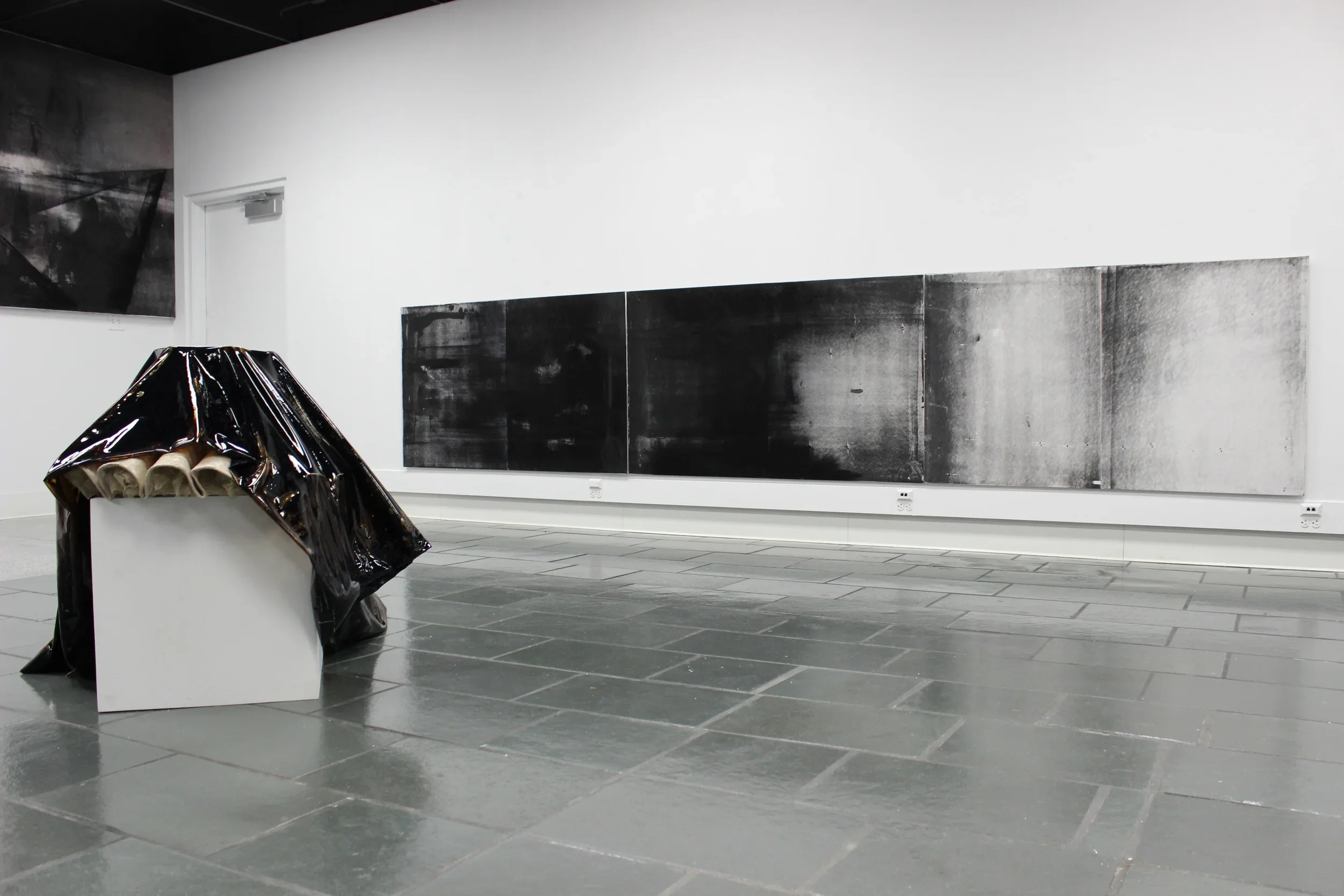
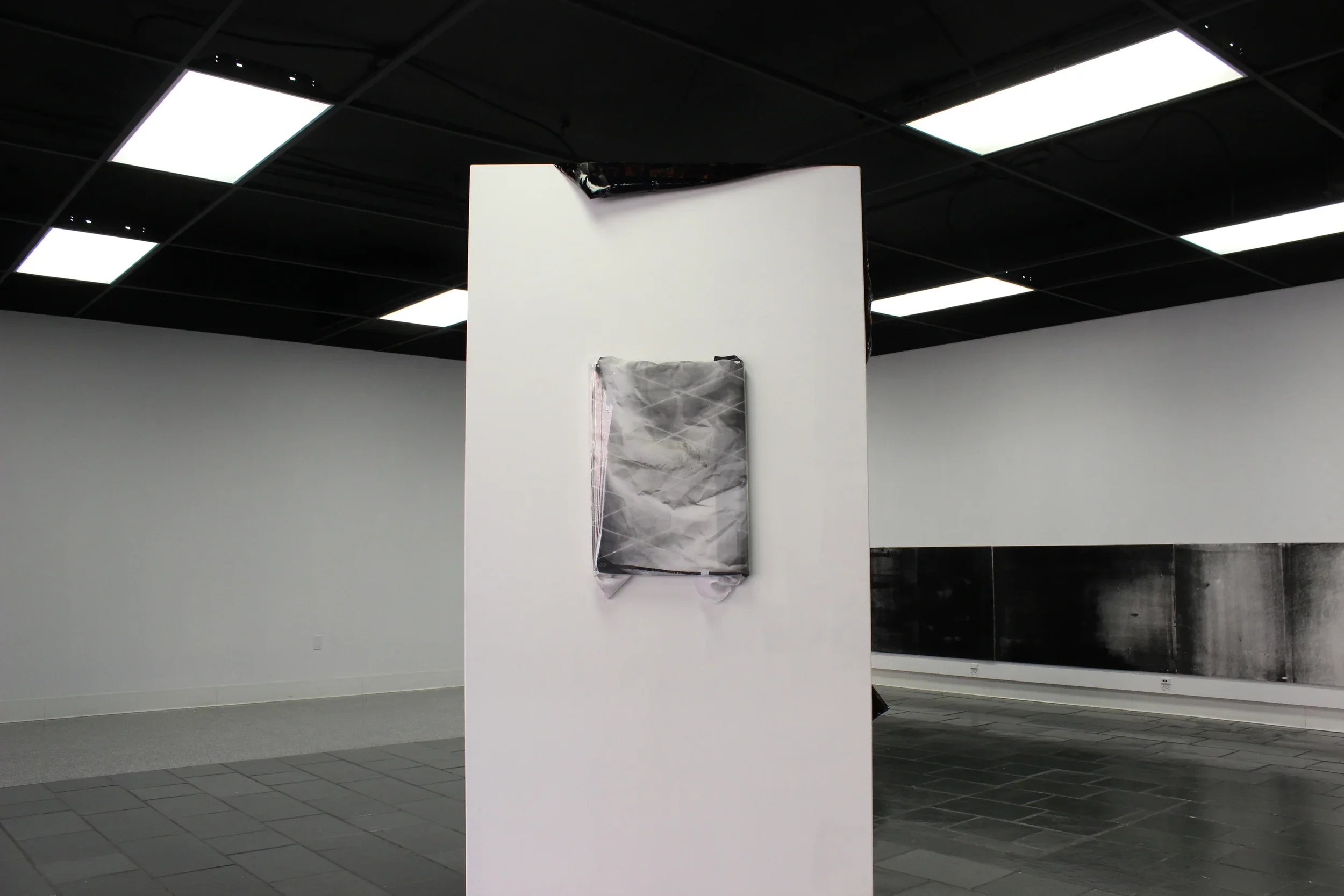
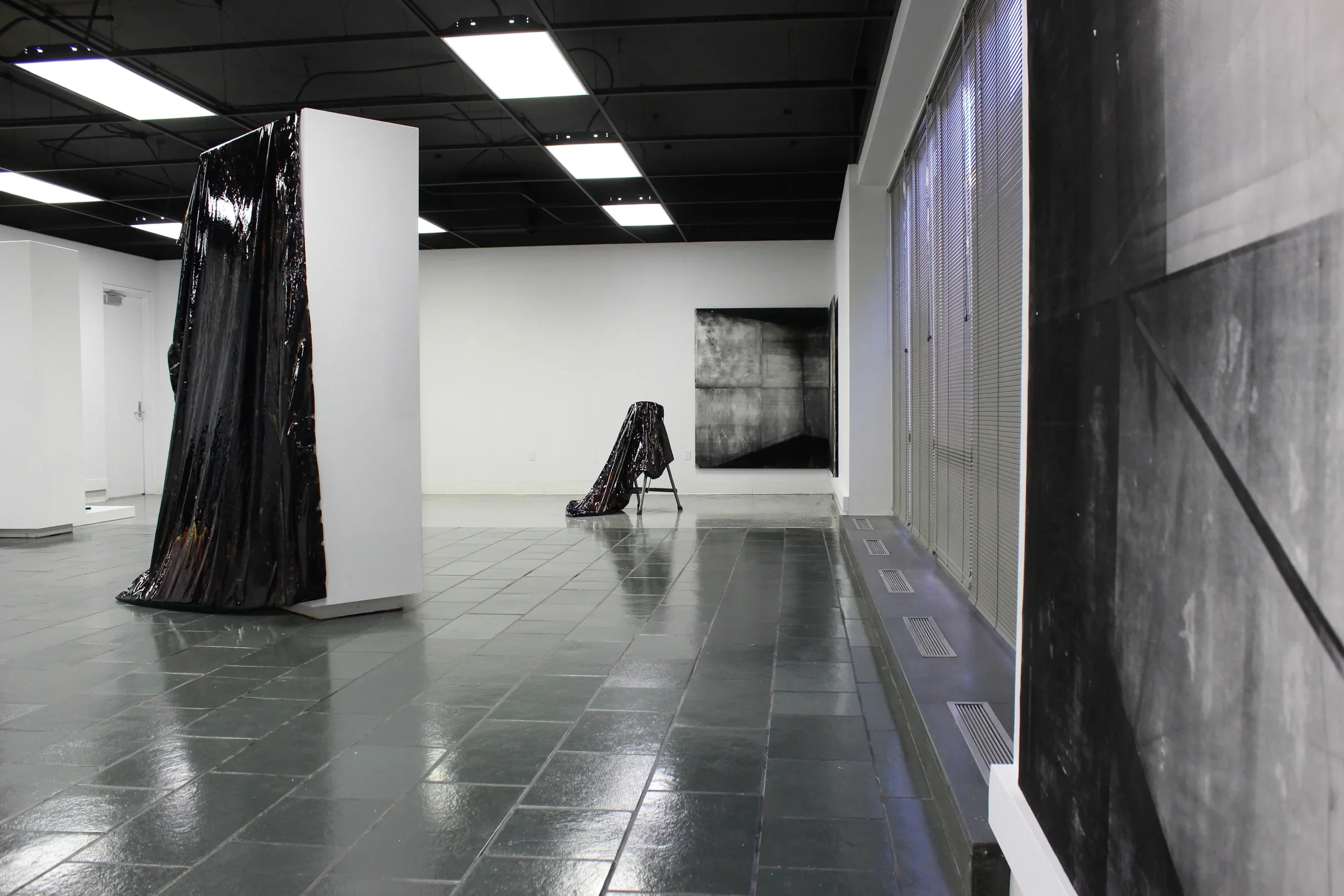
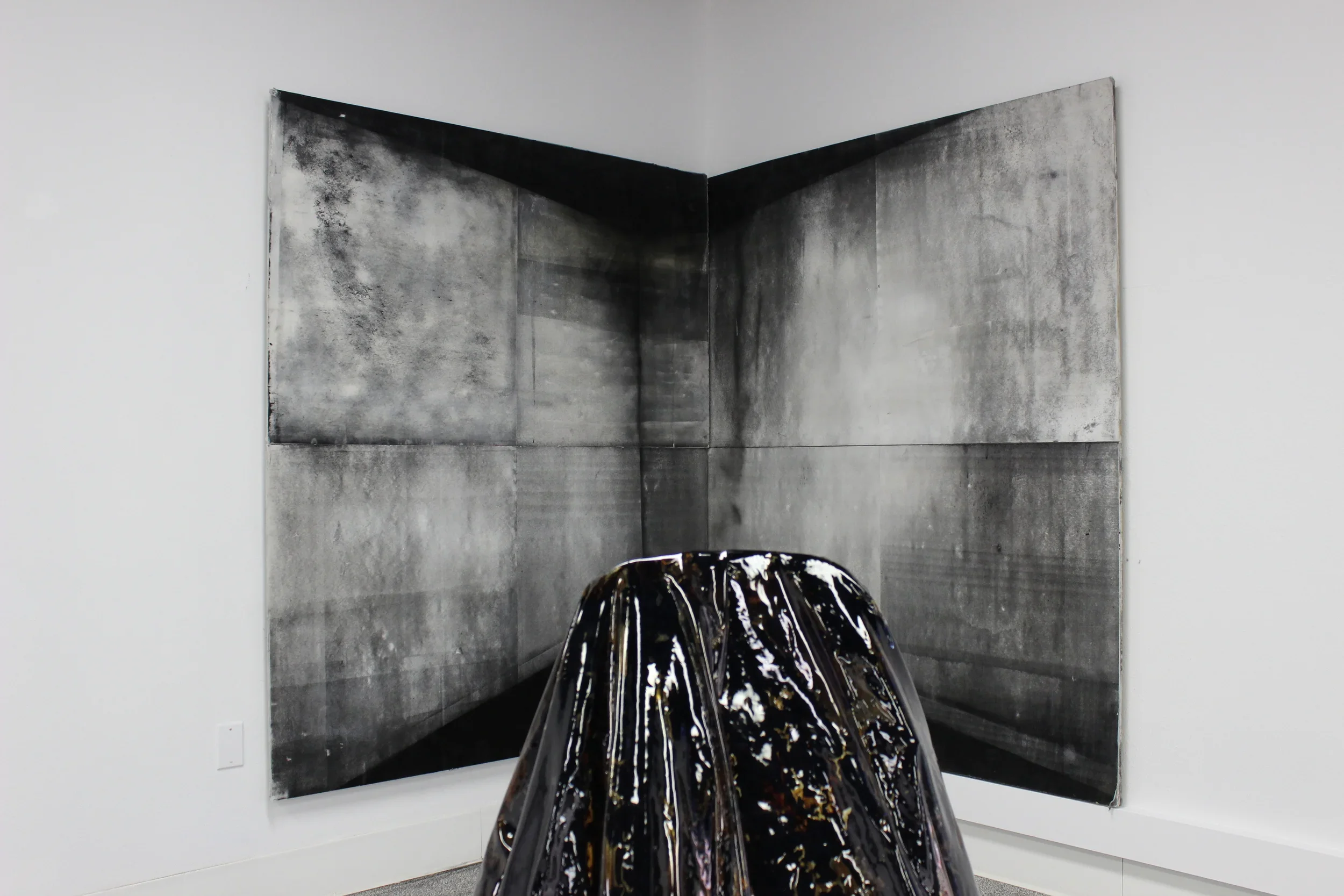
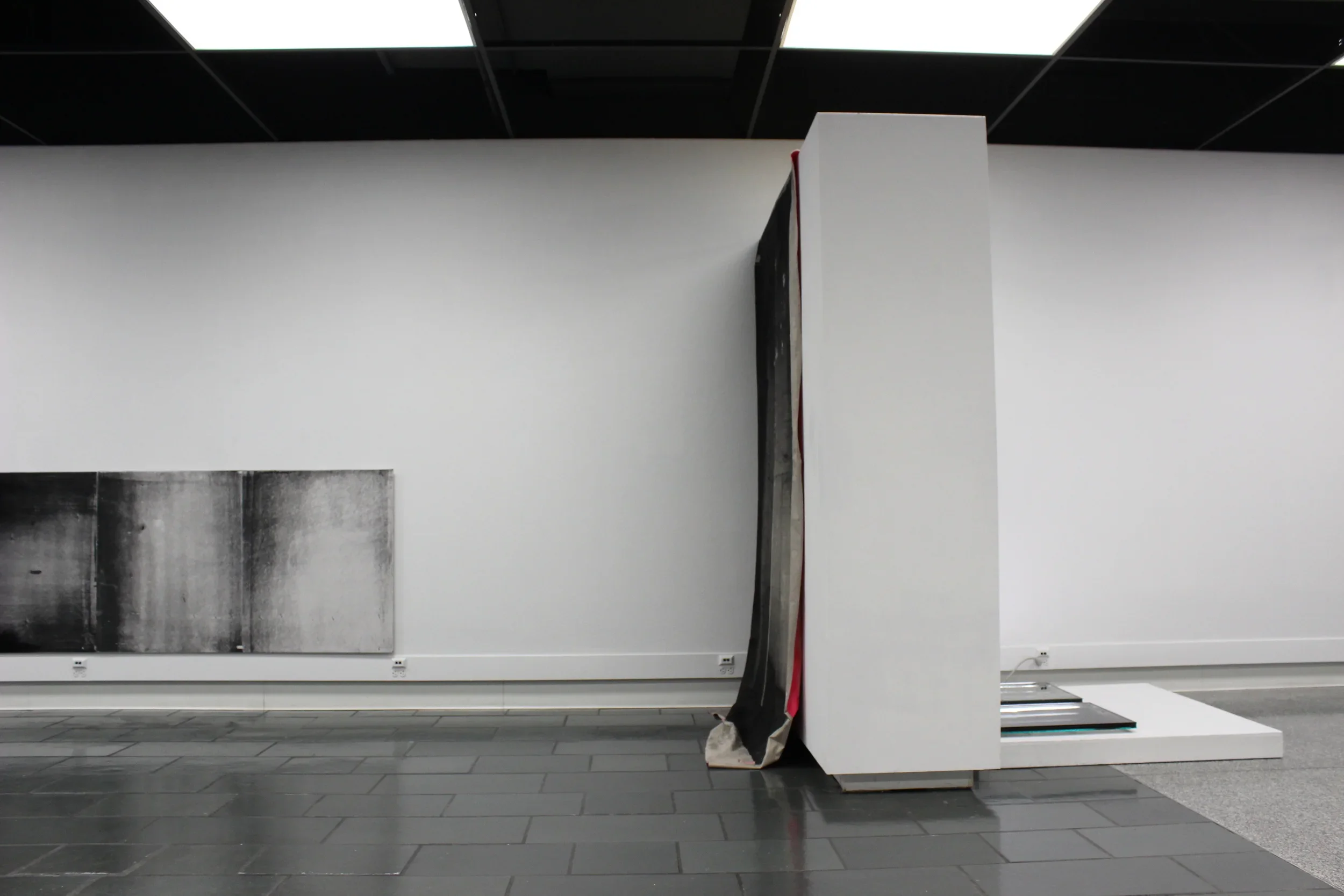
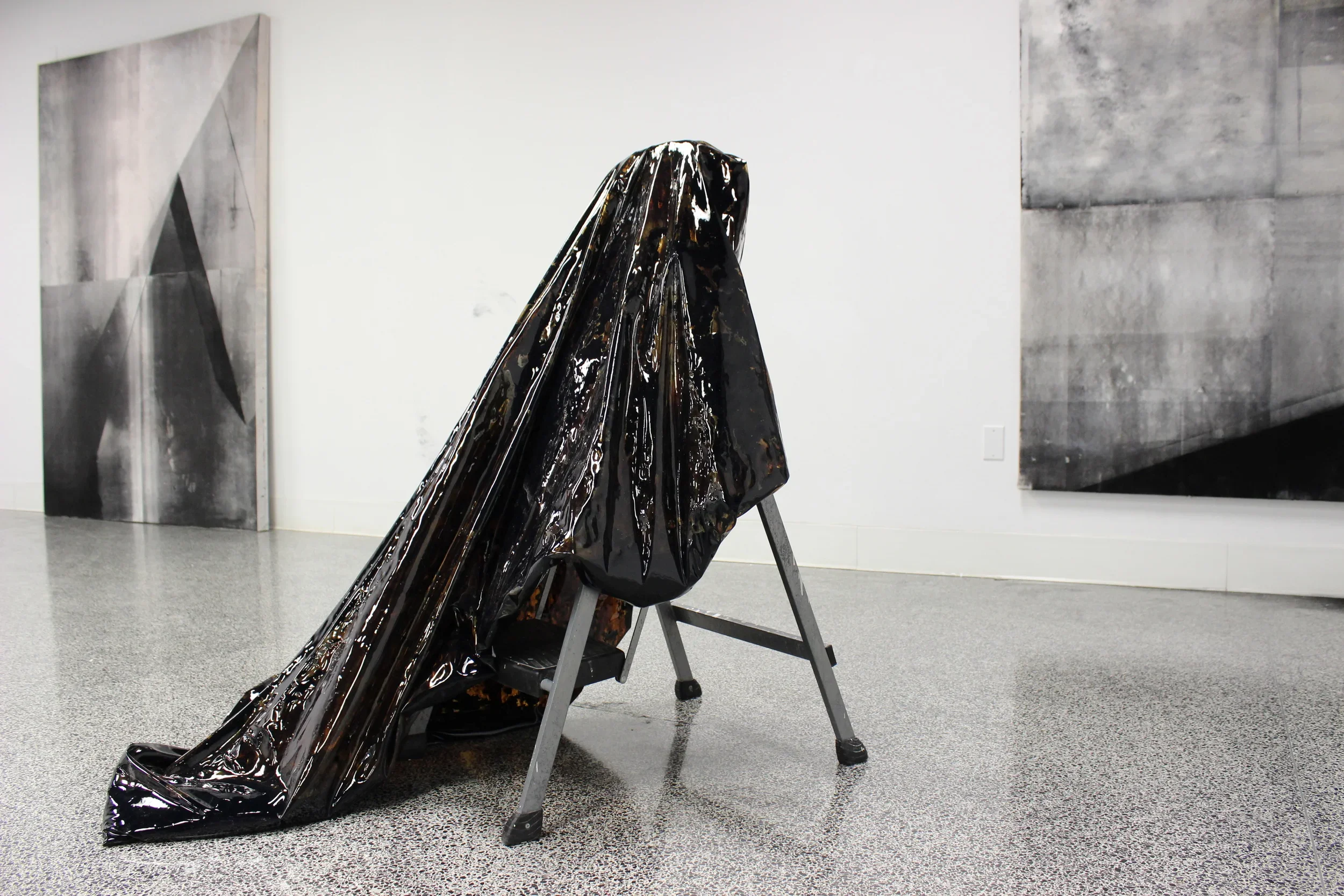
Chiaroscuro, screen prints on satin, cement board, and panel; liquid tar encapsulated in plastic. This body of work explores the active tension between light and darkness, the way each defines and gives weight to the other. Domestic object become sites where emptiness and fullness coexist, where the void is not absence but presence, pushing back with its own force.
This work asks what happens when purity meets reality, when the ideal encounters the hand that tries to shape it. In chiaroscuro, darkness is never simply the absence of light—it is sculptural, tangible, a force that shapes what we see. Here, darkness pushes back, insists on its own presence, reveals that wholeness requires both light and shadow, that transformation happens in the space where they meet.
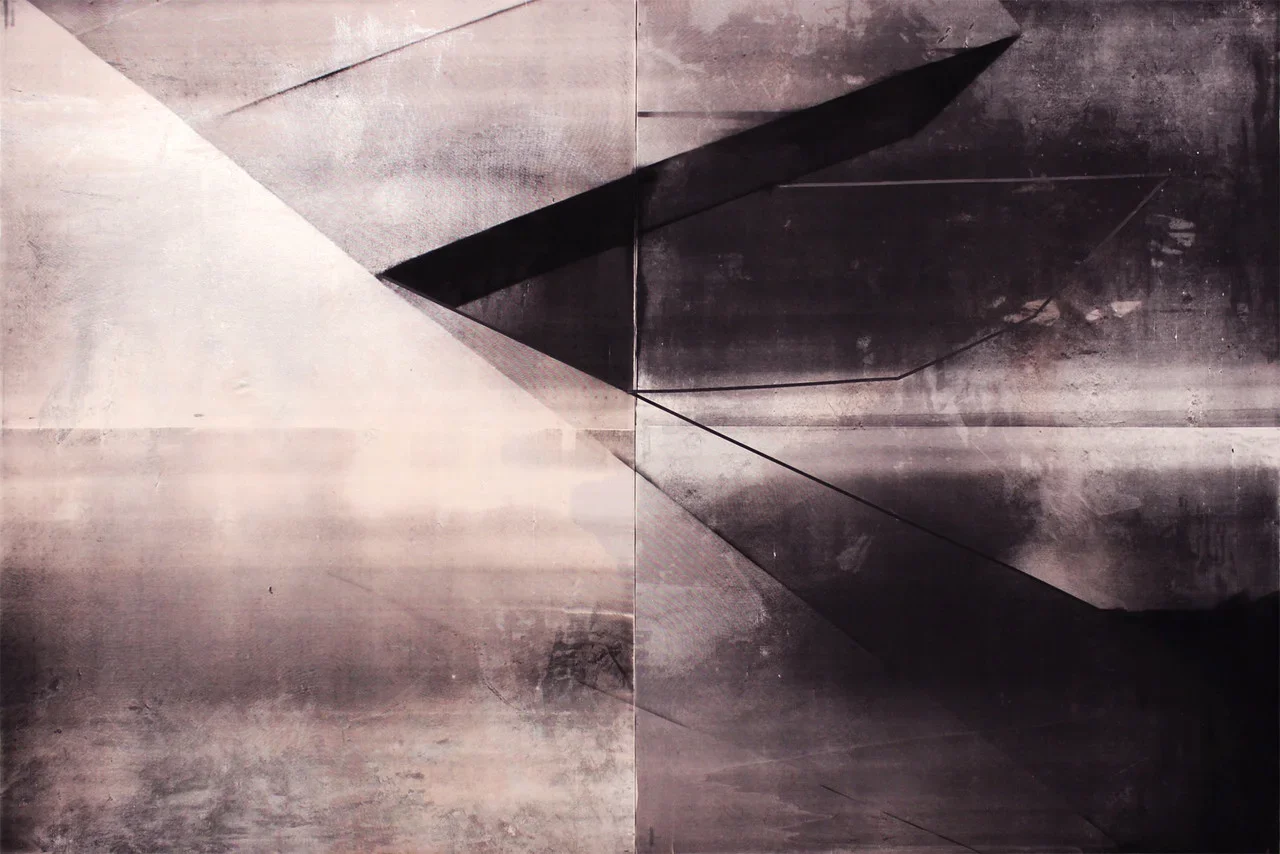
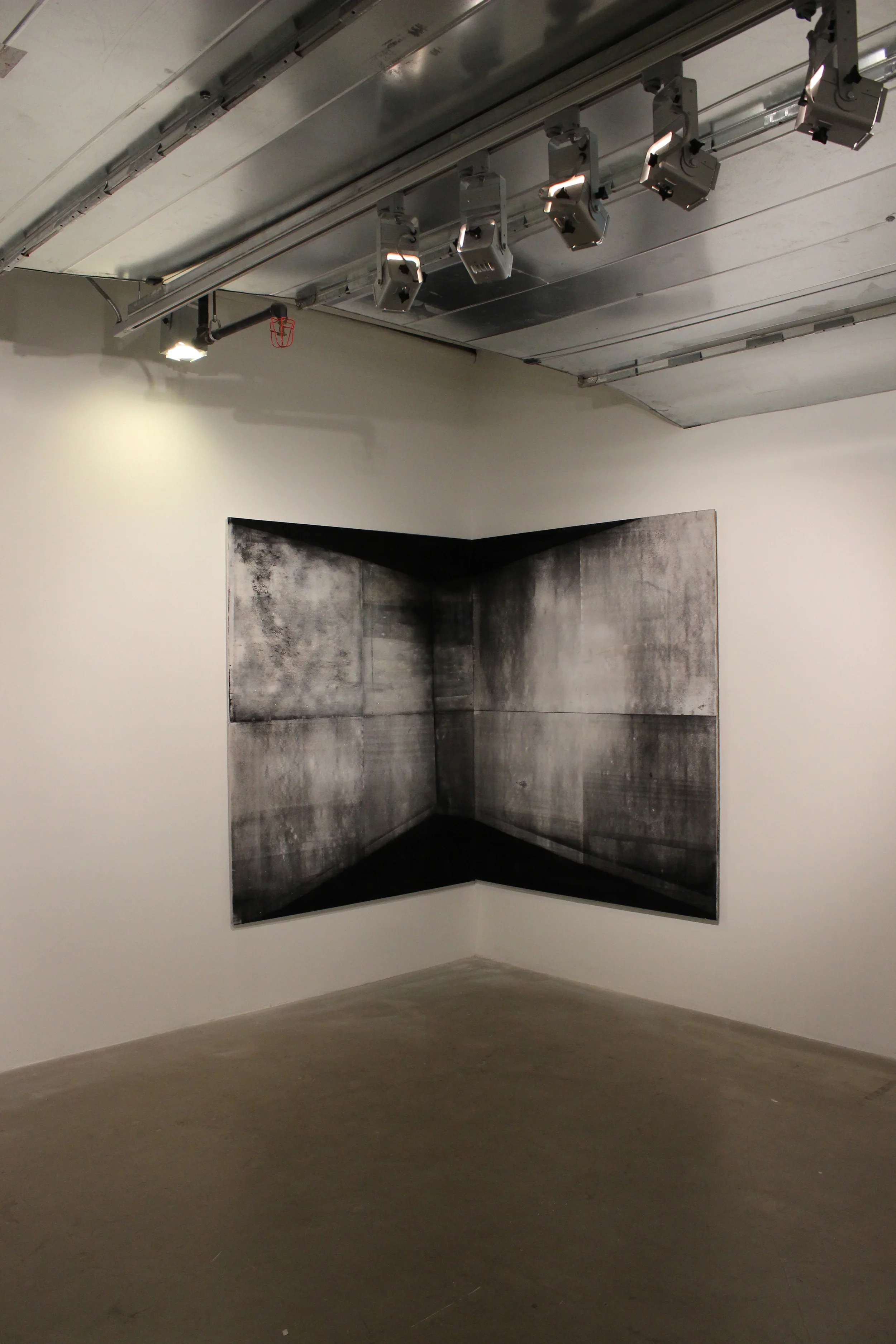
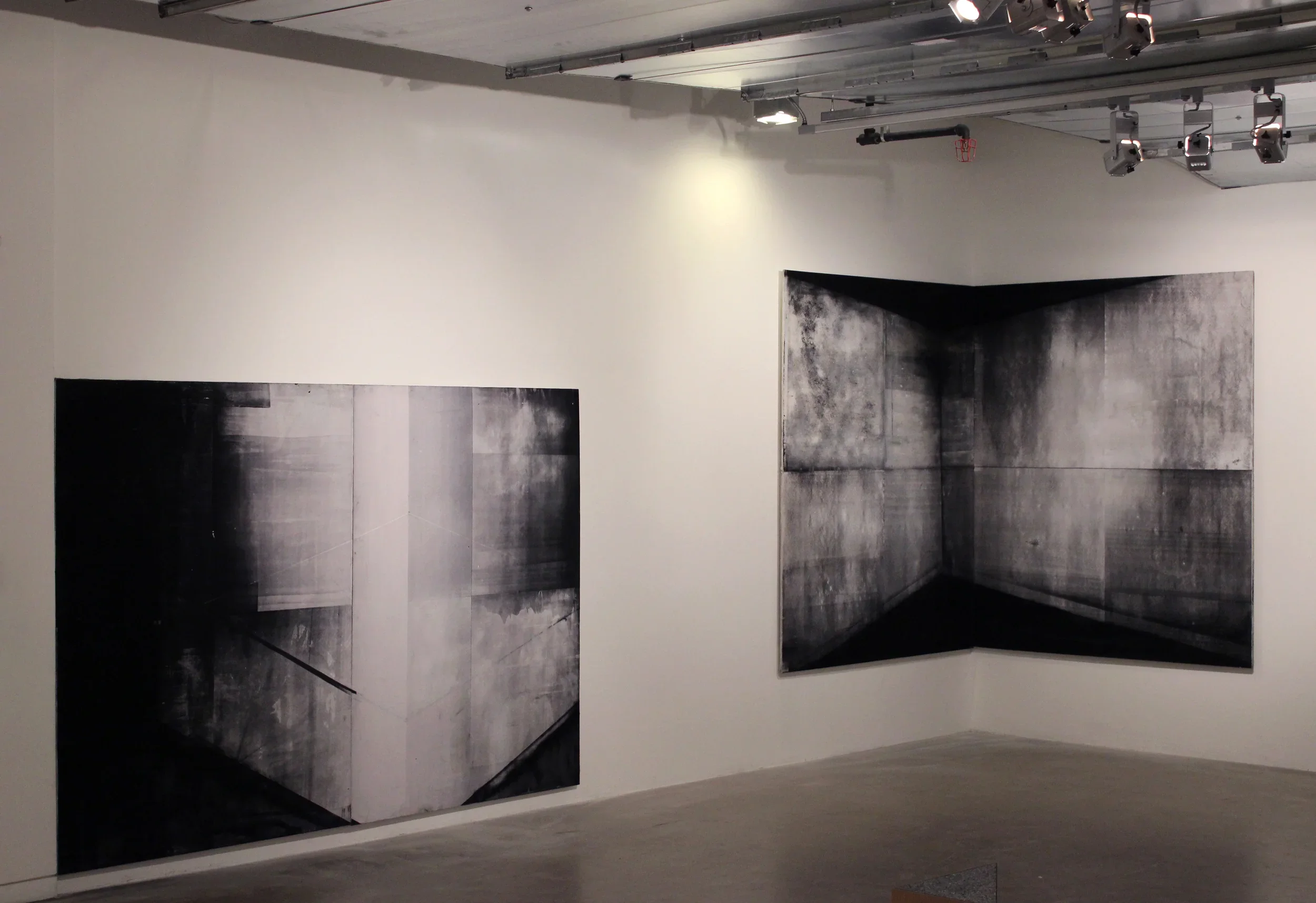
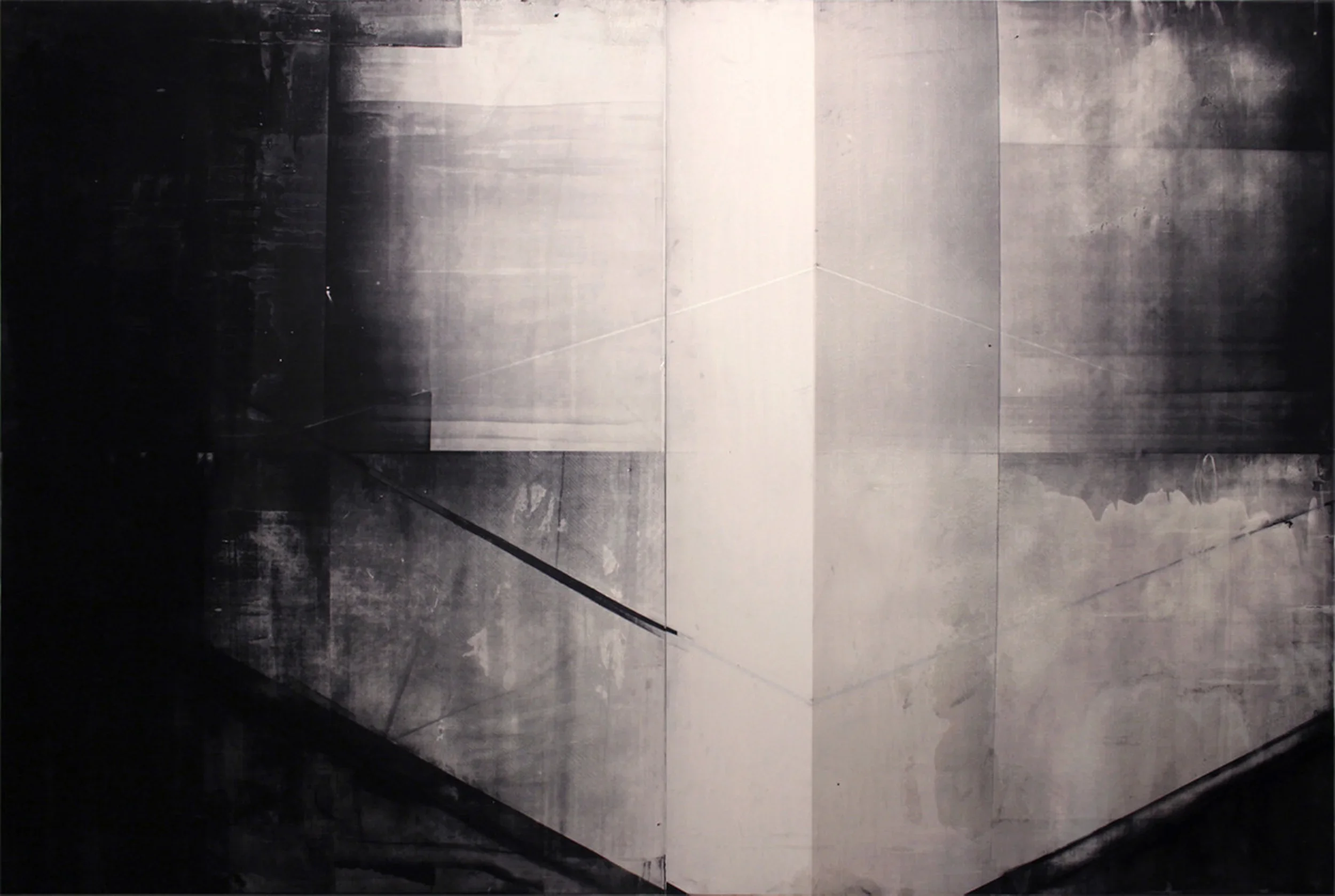
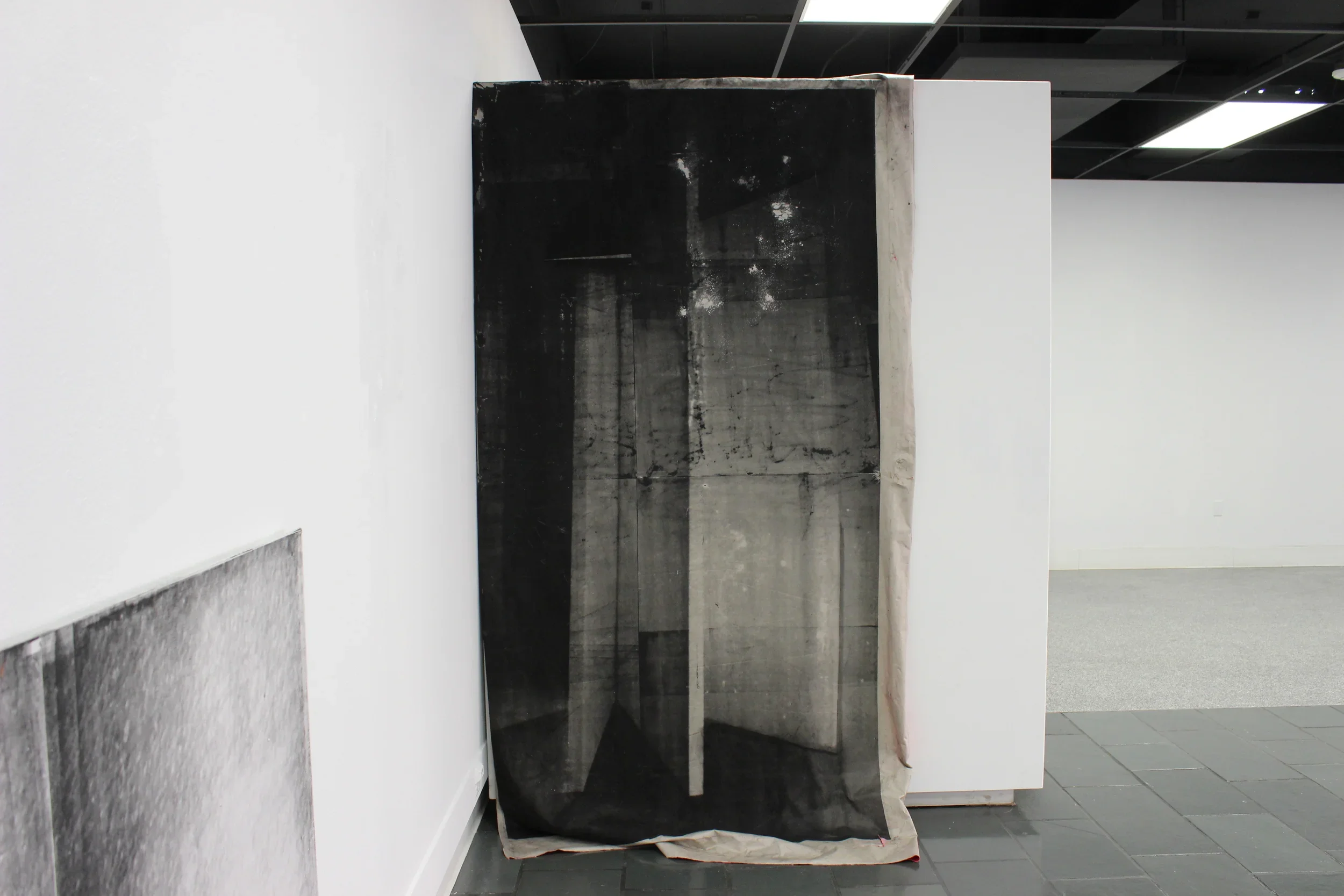
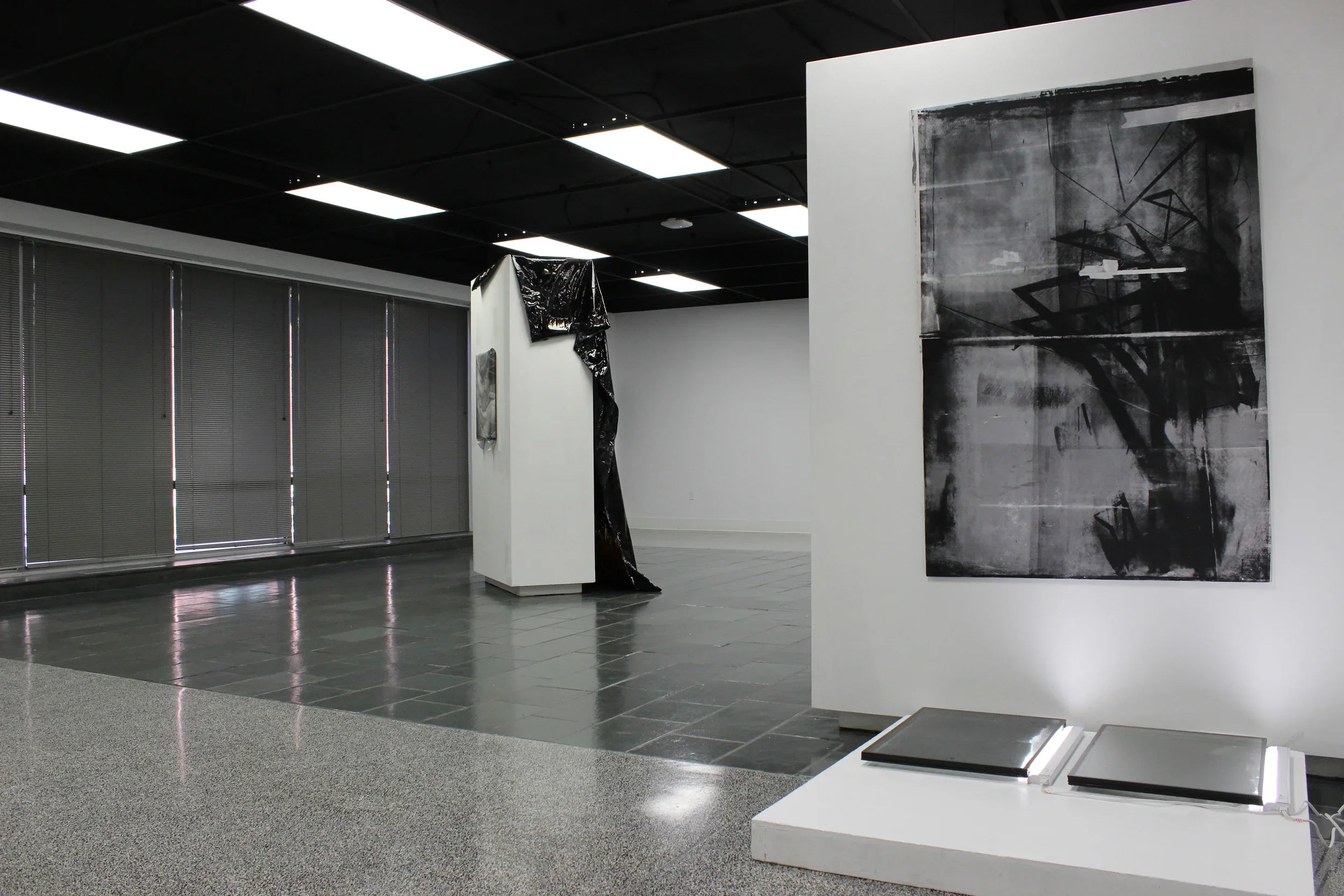
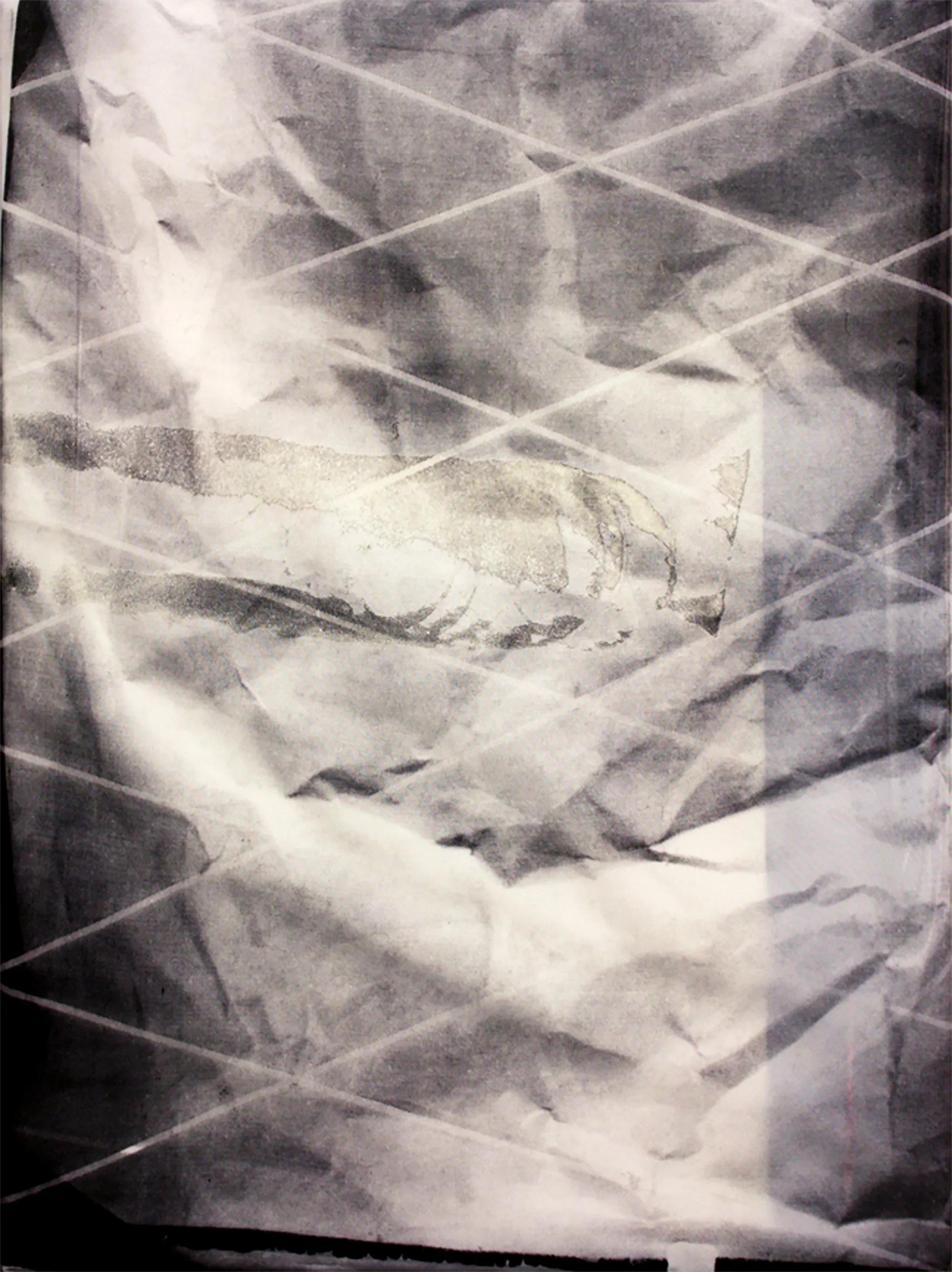
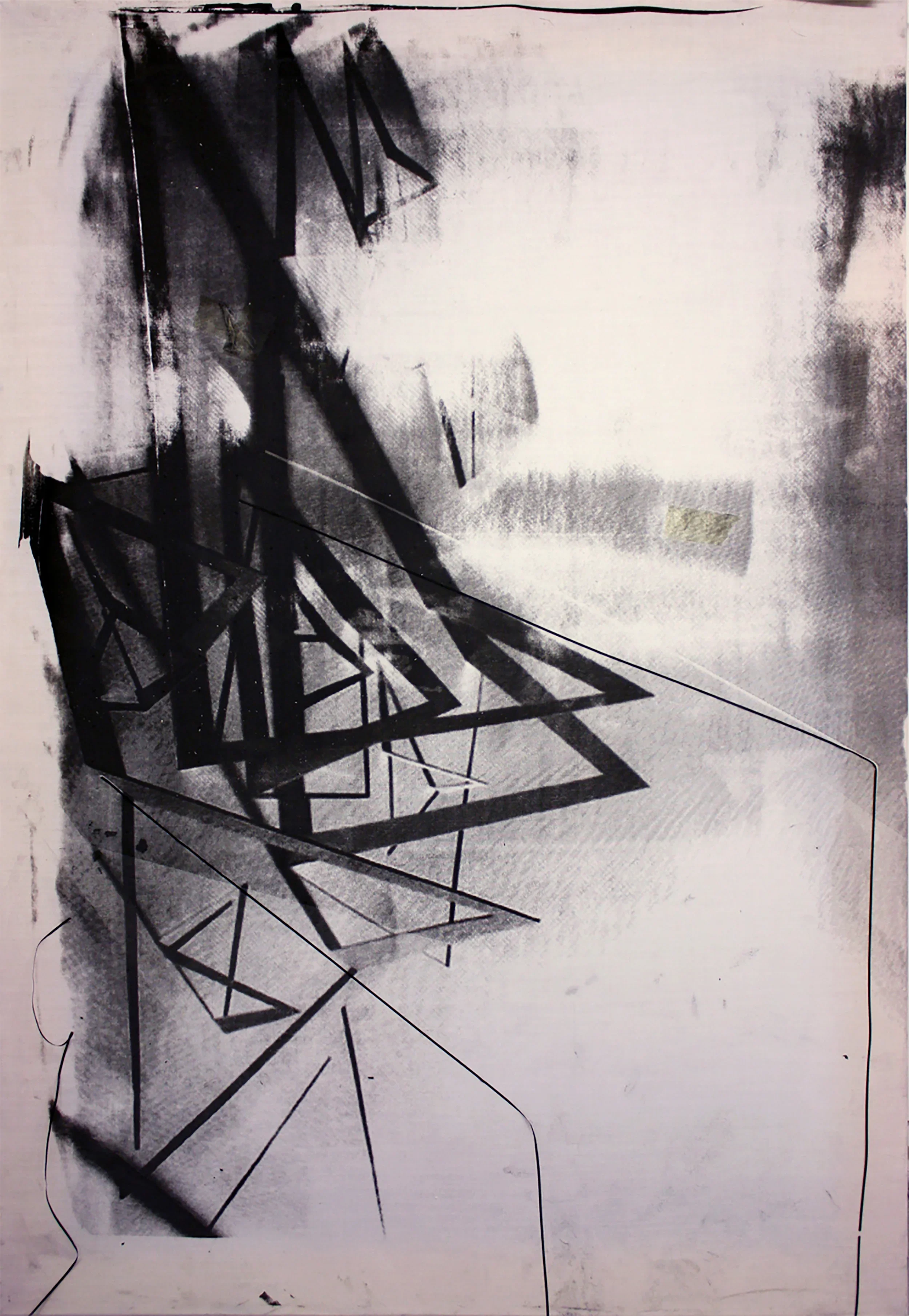
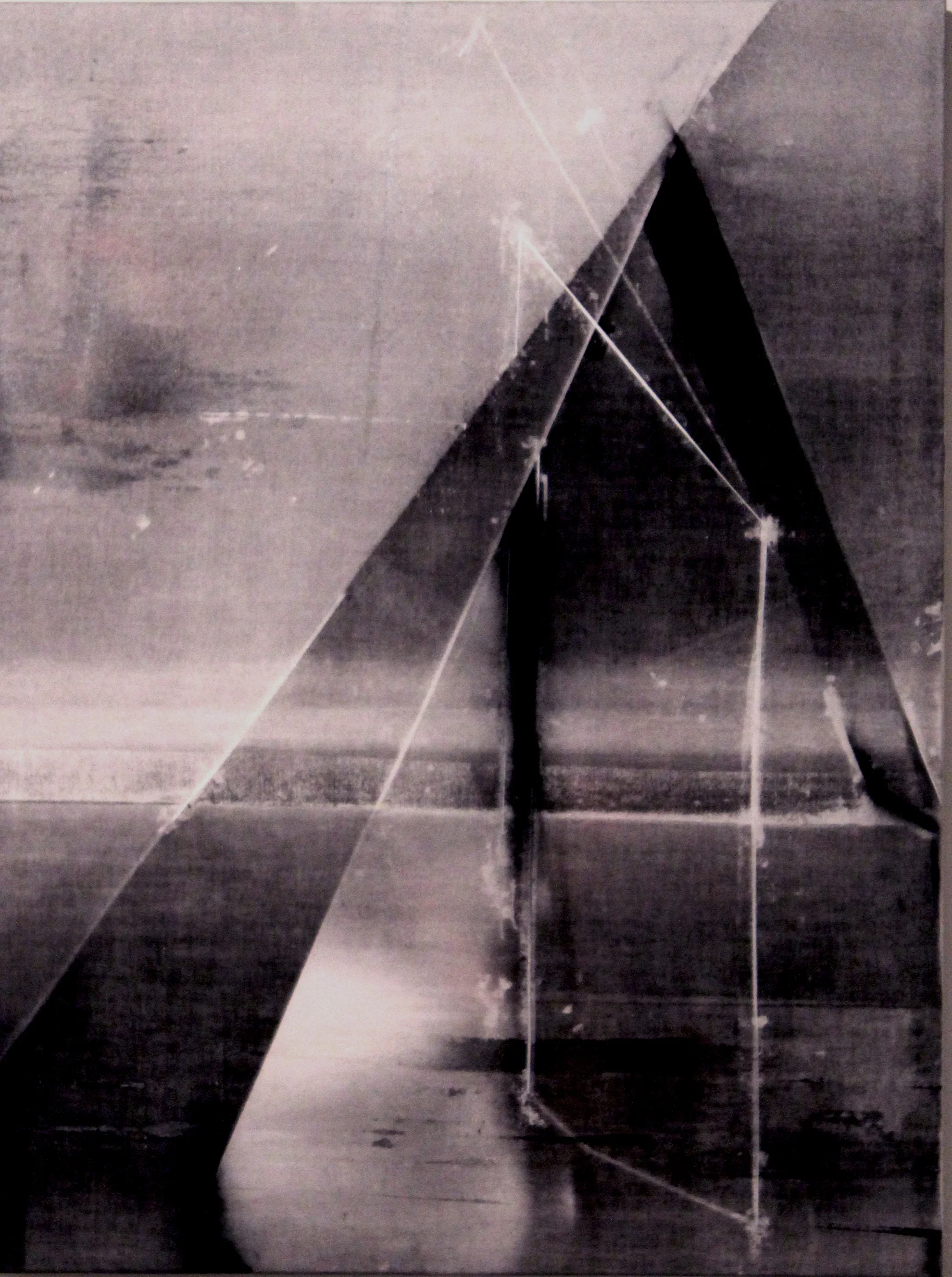
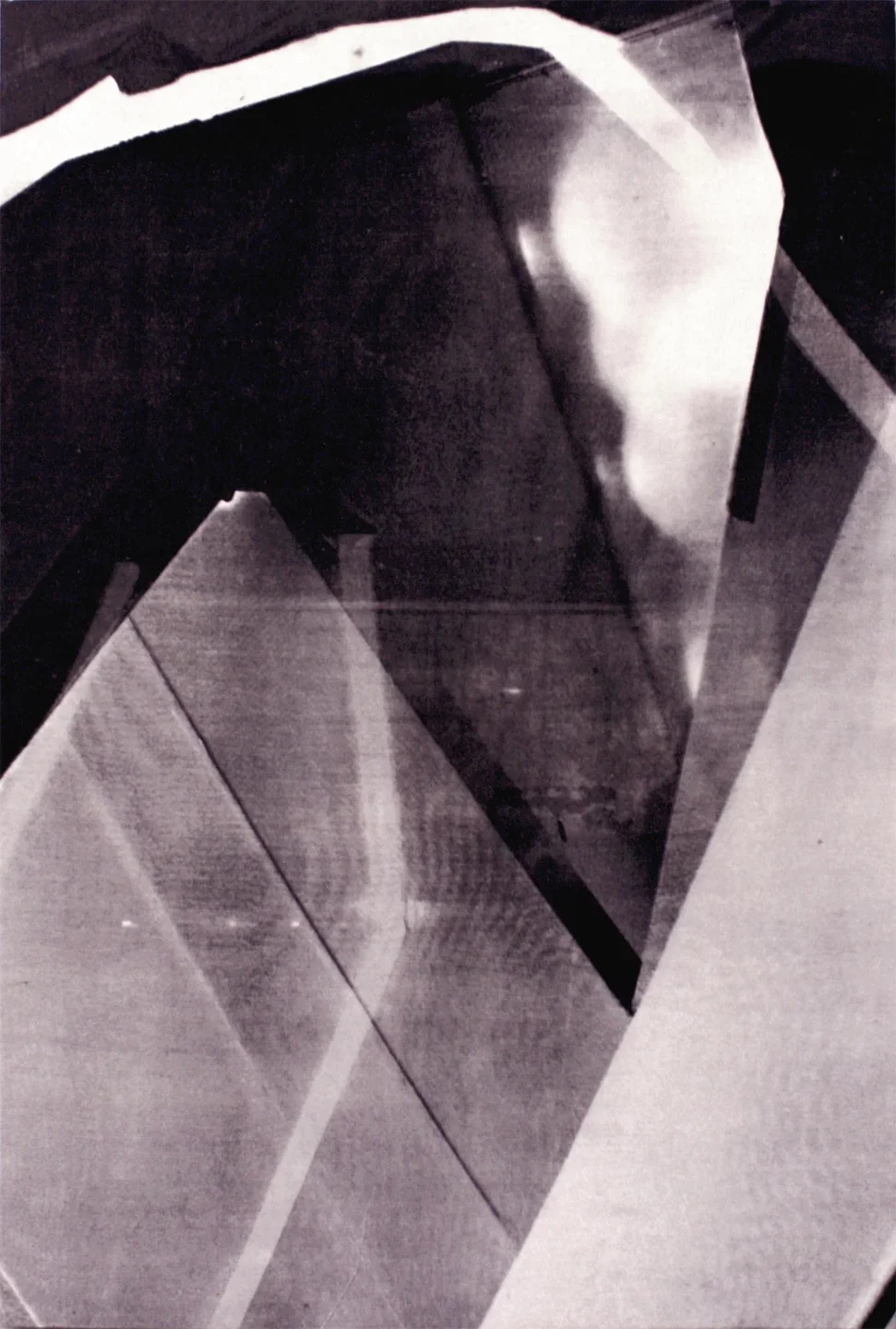
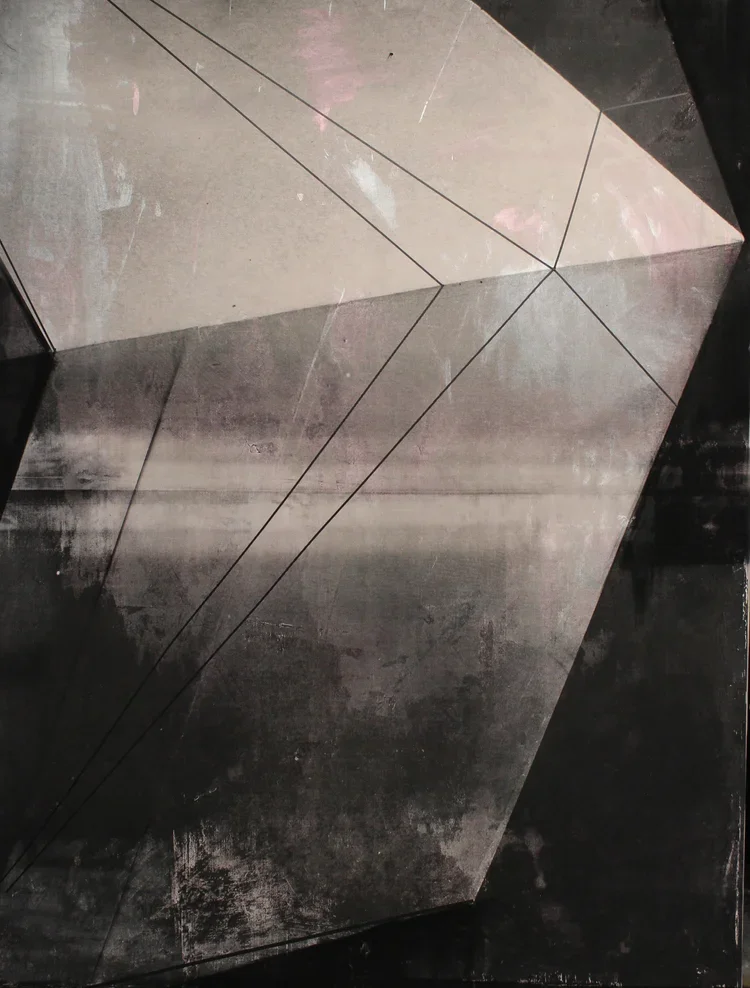
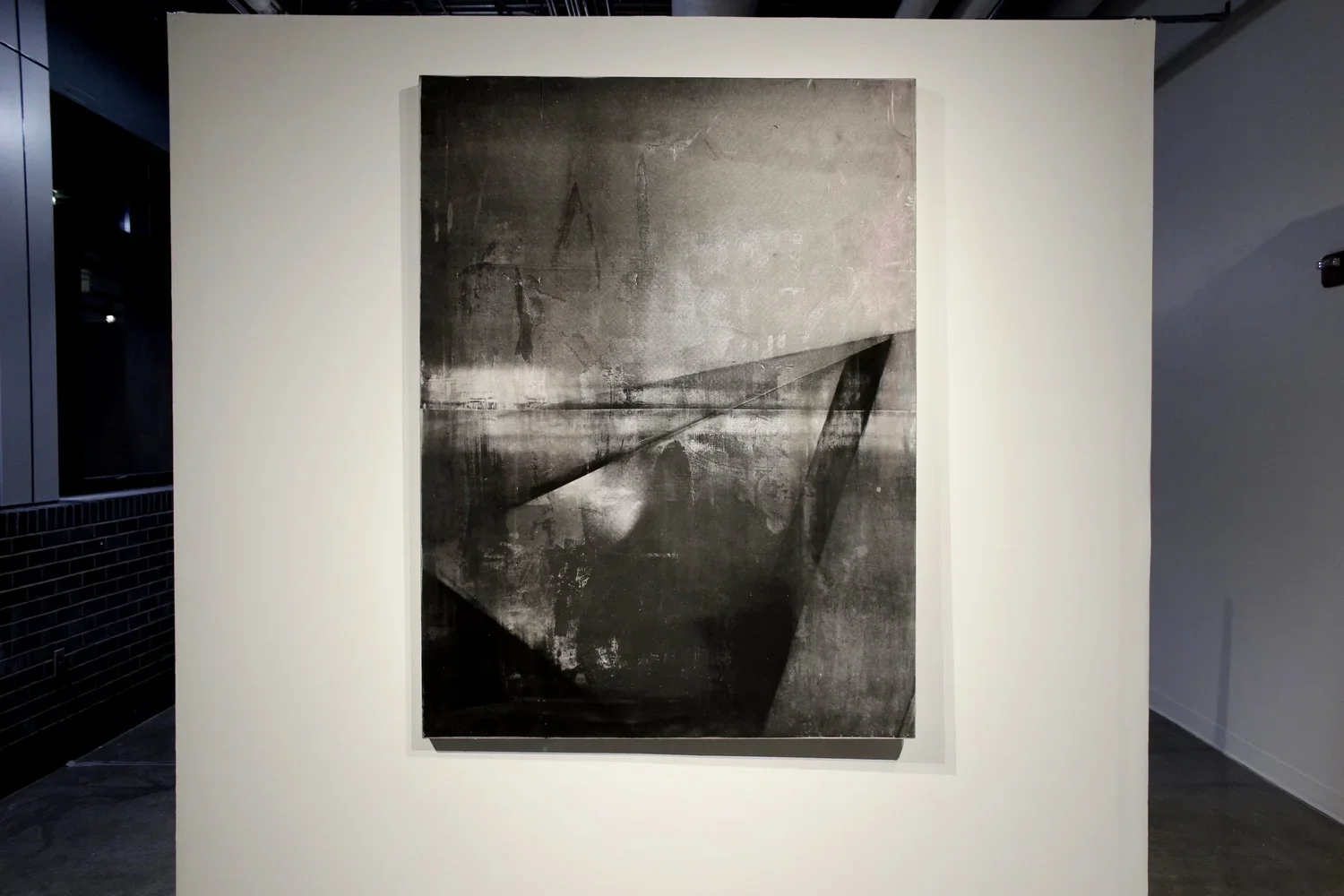
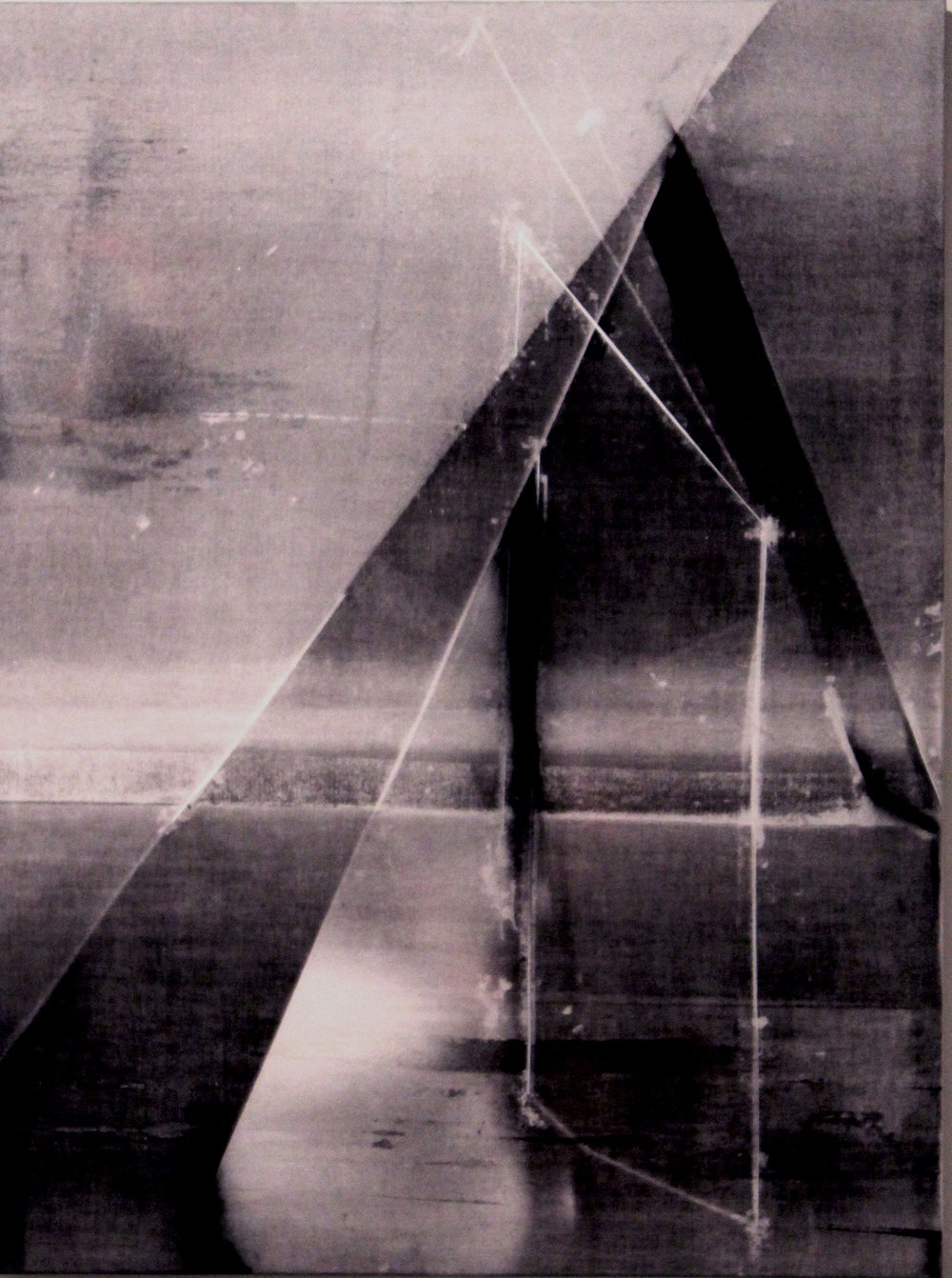
True to Form, screen prints on satin, cement board, and panel. True to Form — Screen prints on satin, cement board, and panel Photographs of architecture translated through screenprinting, each iteration stripping away information until the building becomes the ghost of a thing. No longer itself but the concept that preceded it. The particular and the universal held together briefly before the particular dissolves. Like a child before birth: pure potential, unmarked by experience.
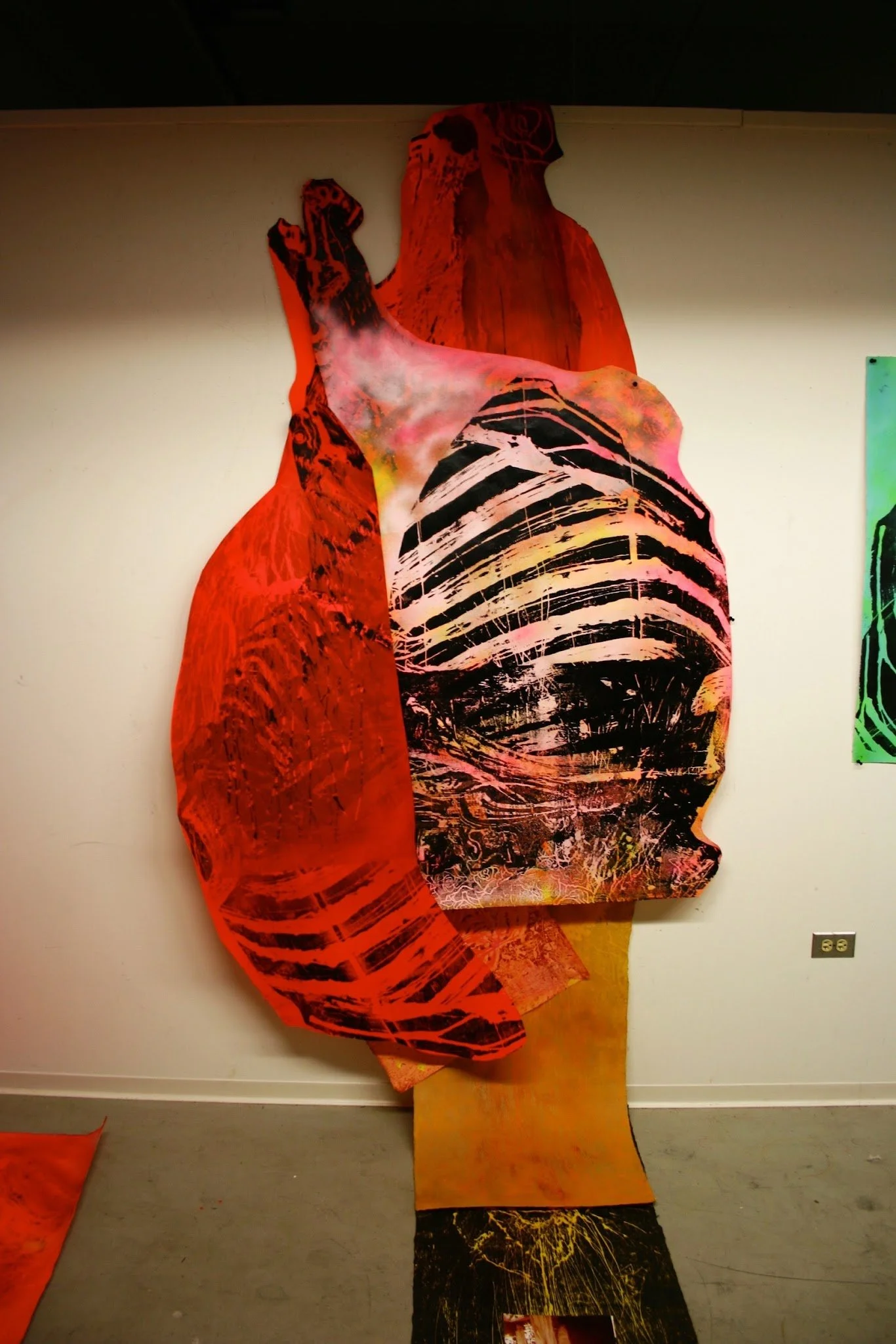
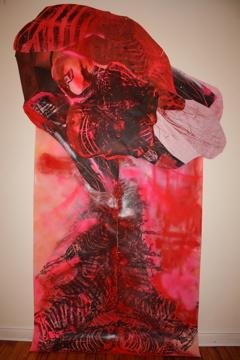
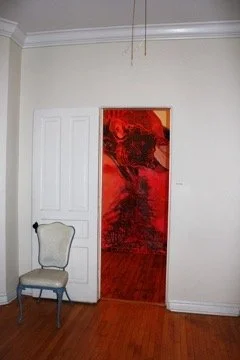
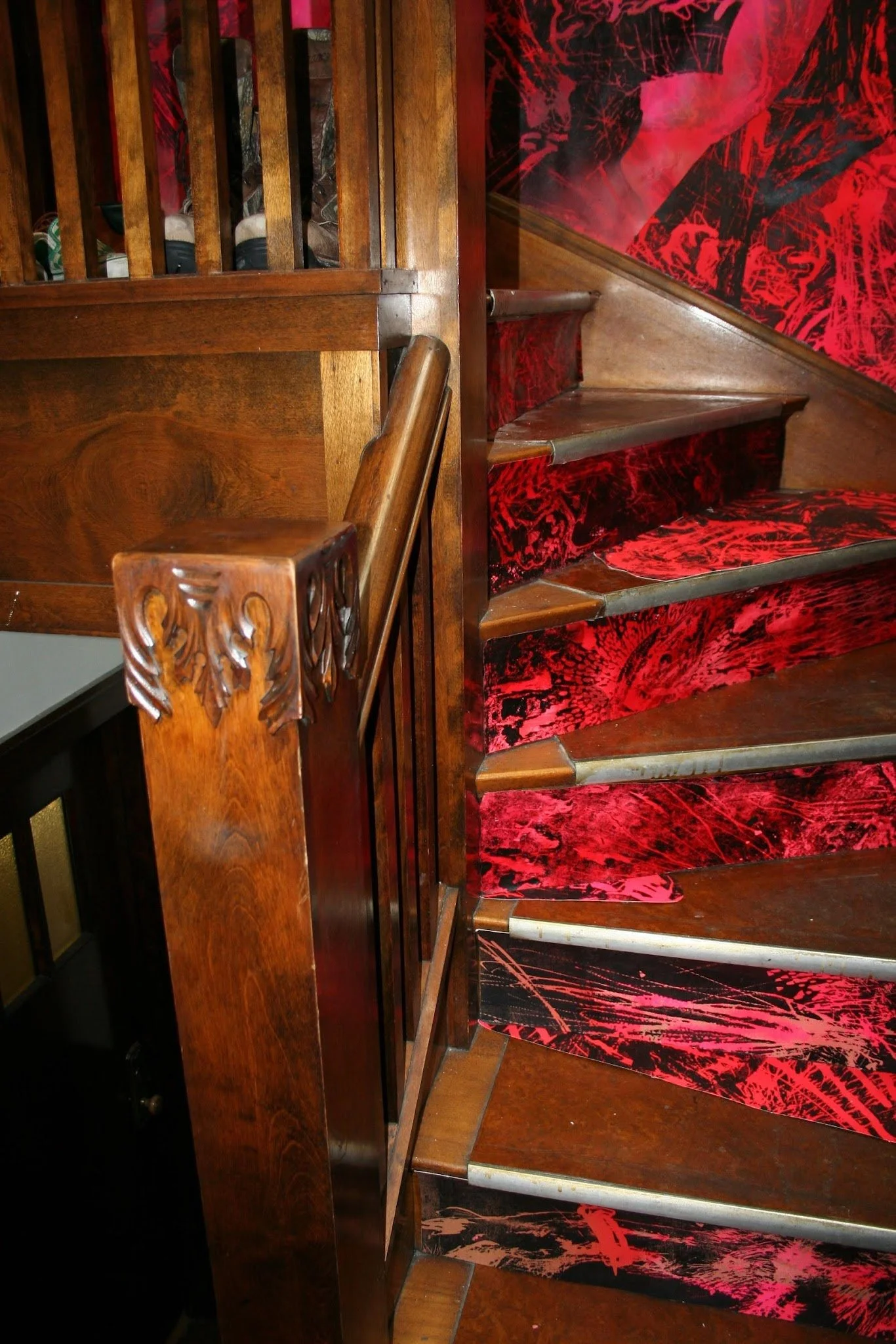
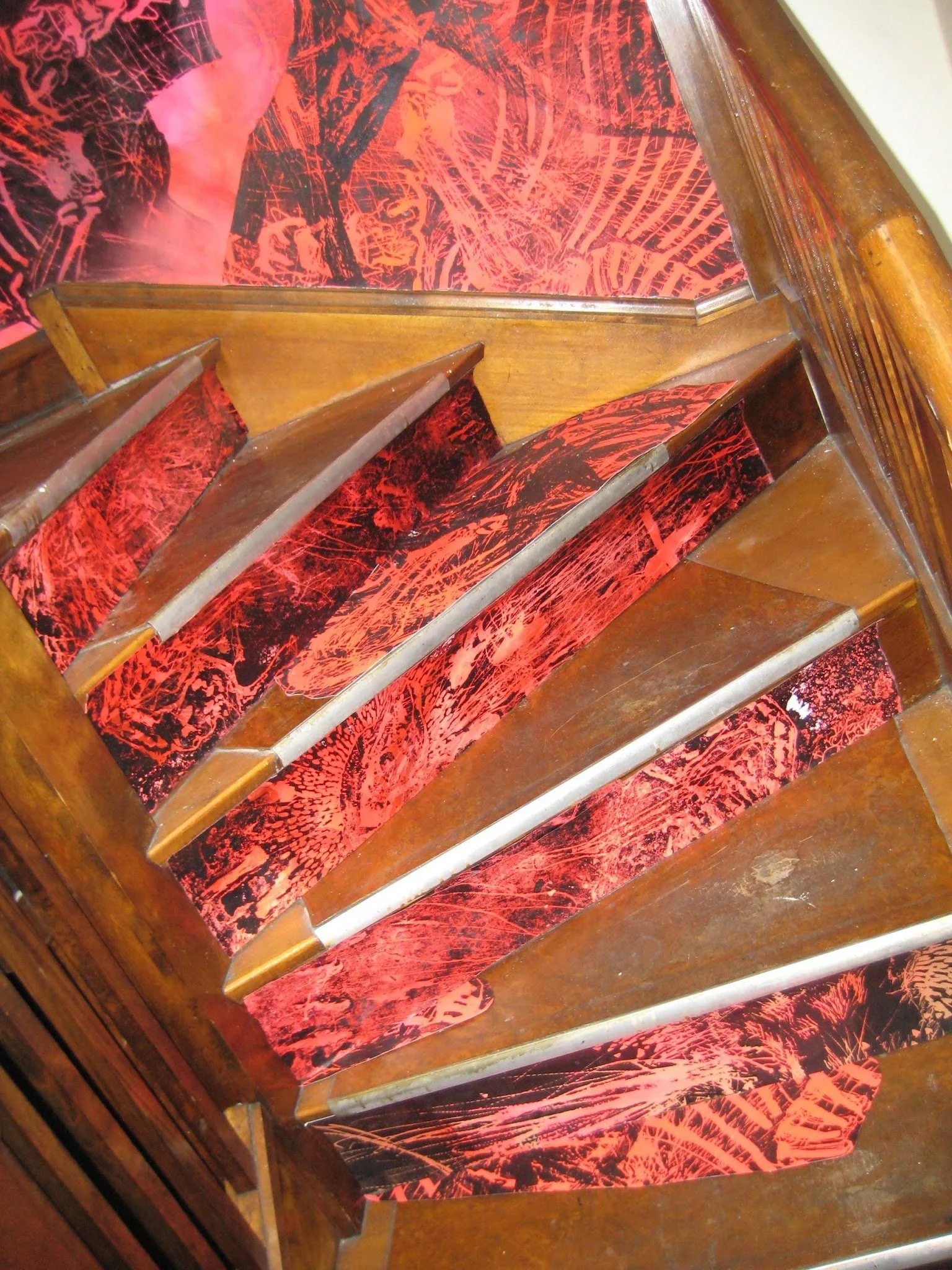
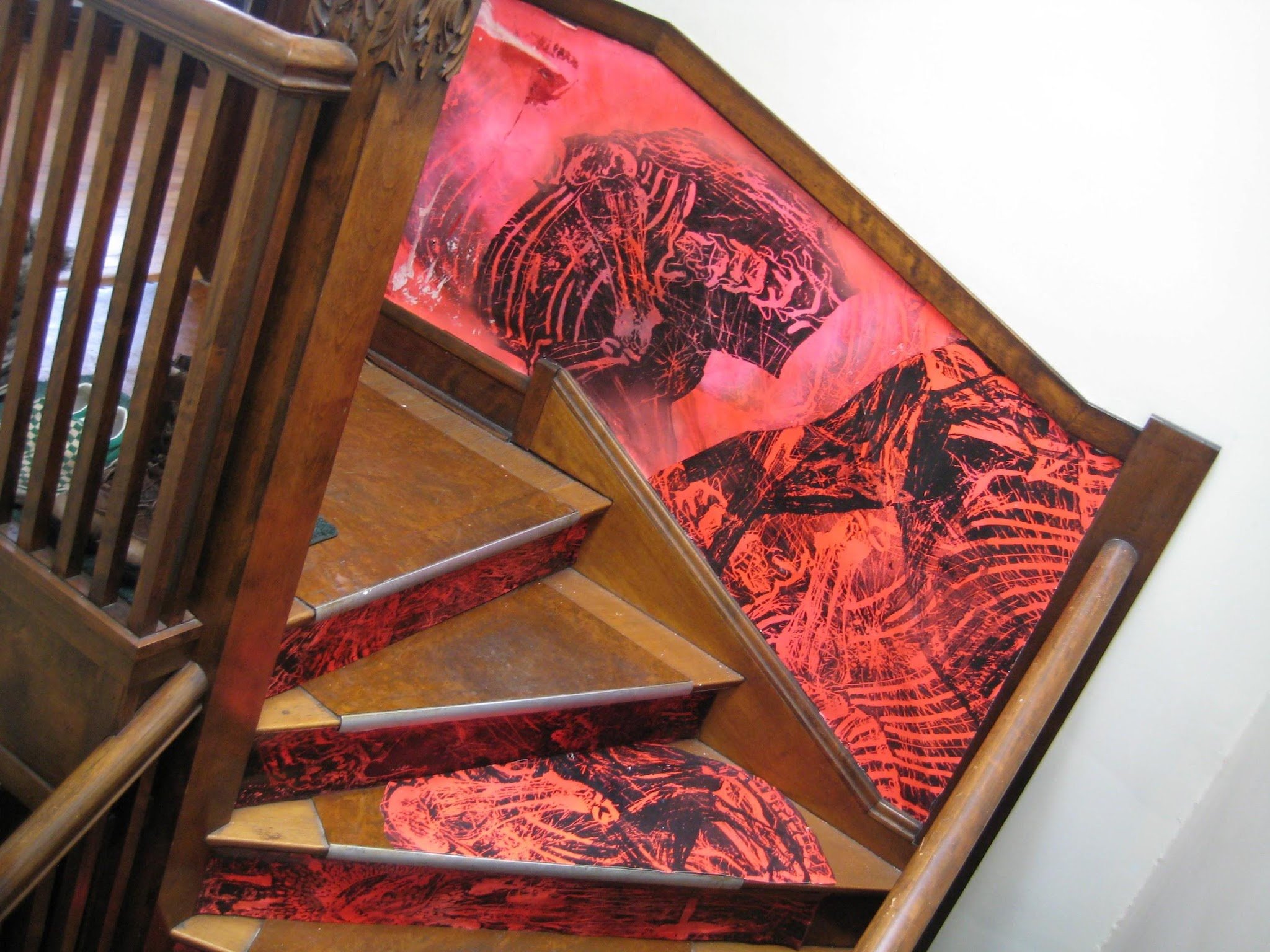
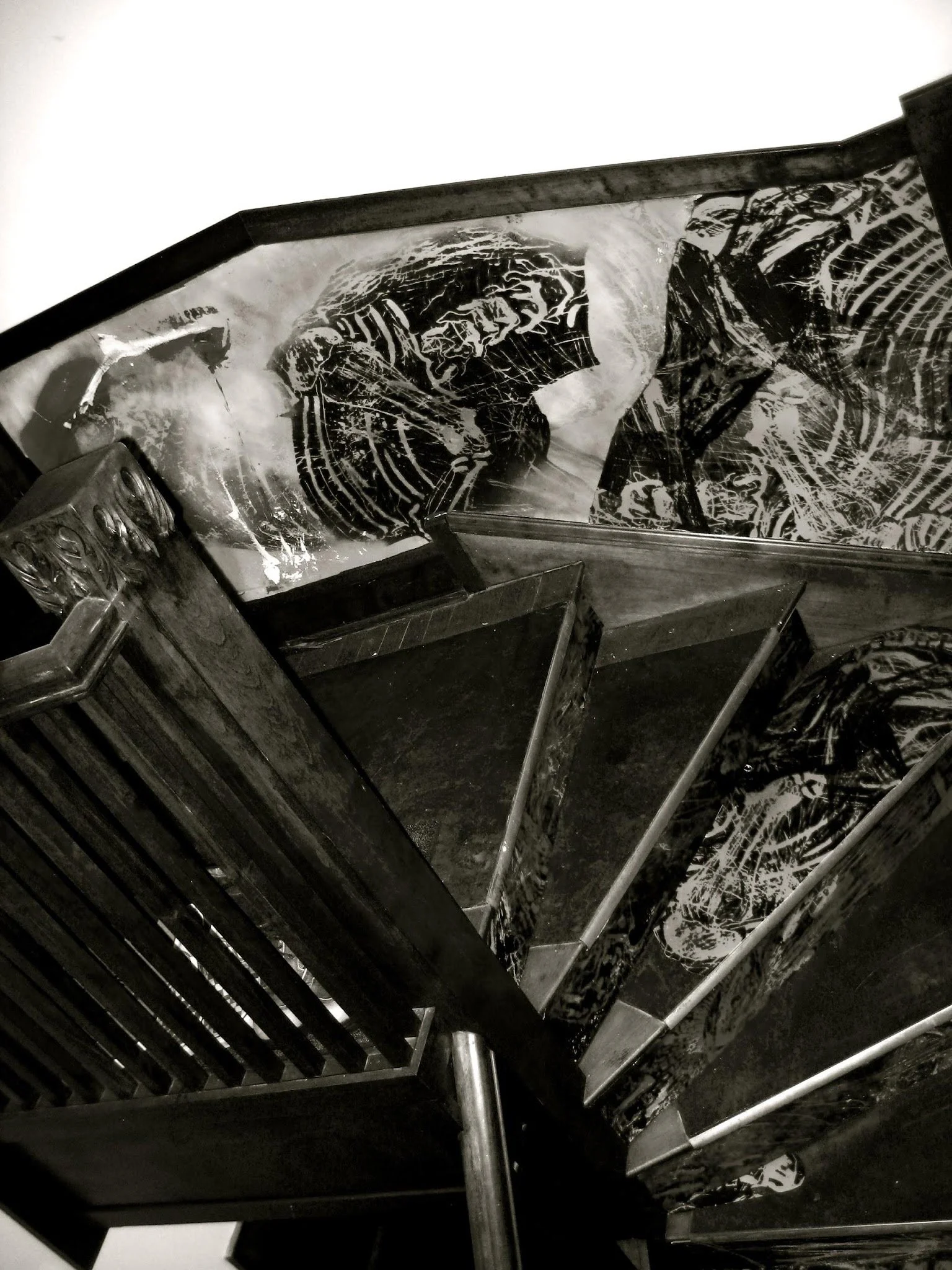
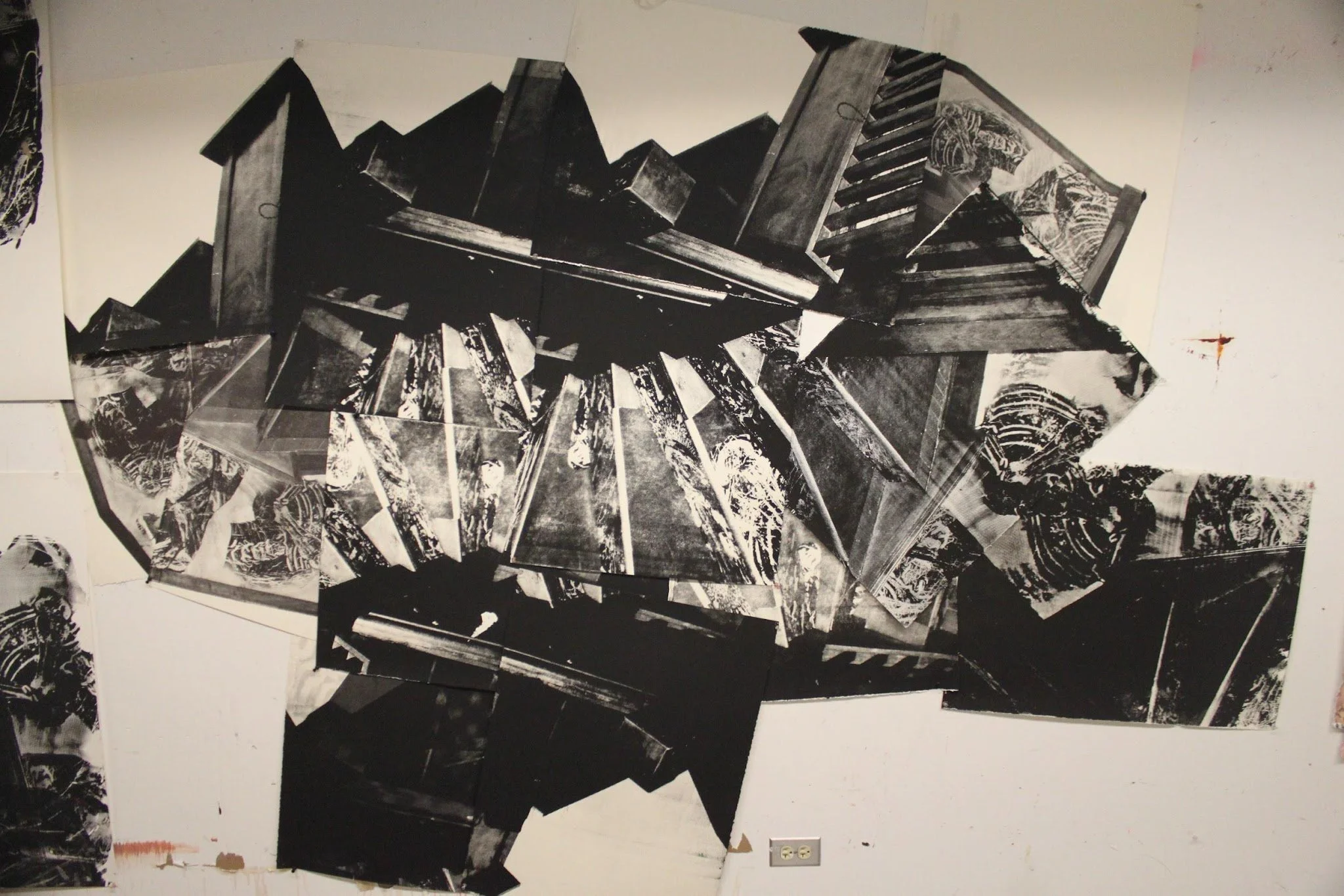
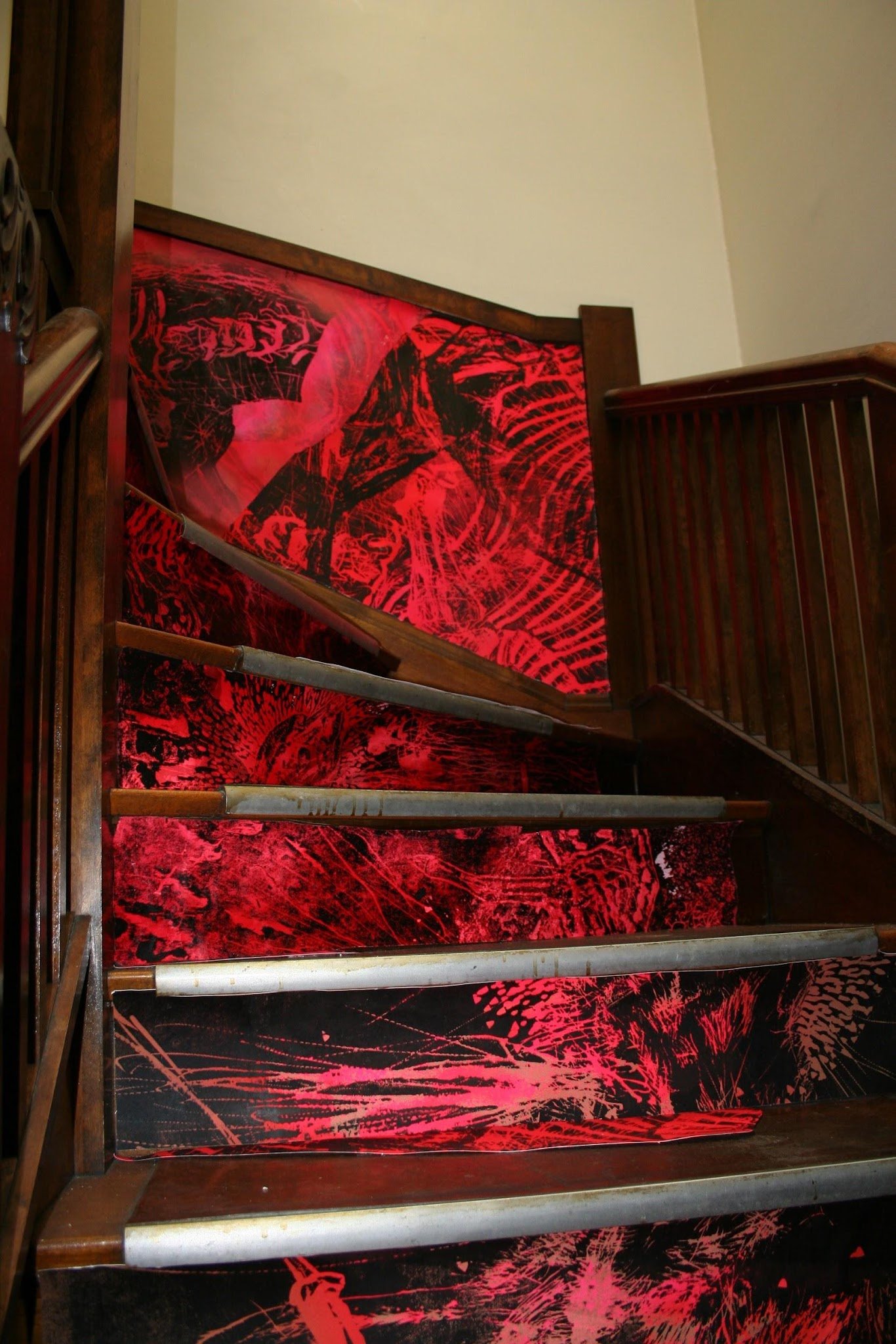
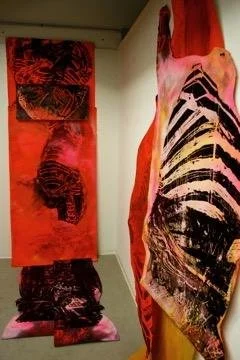
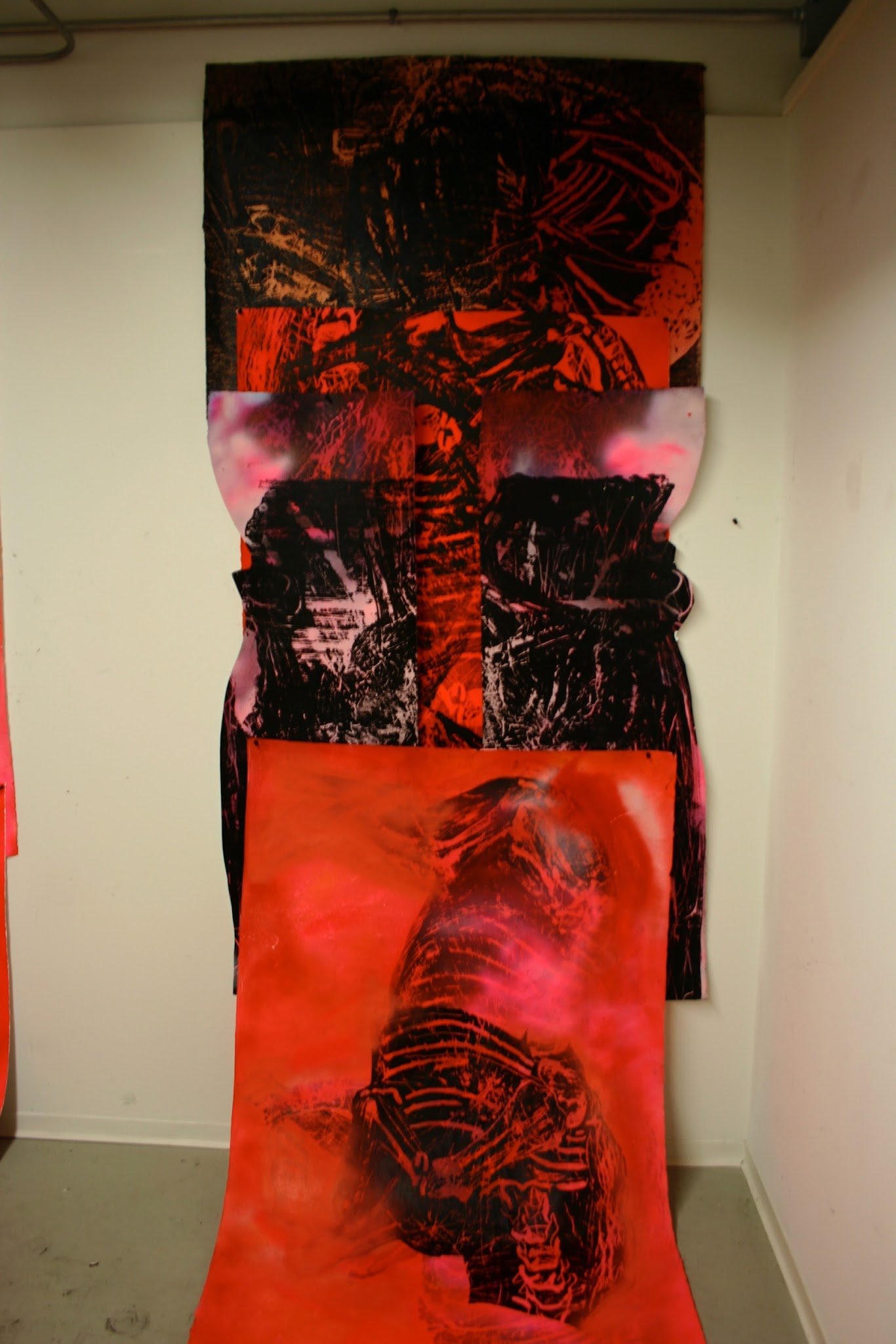
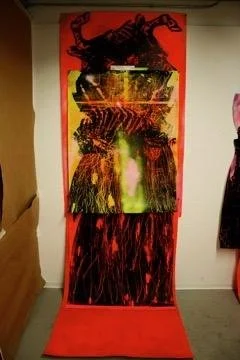
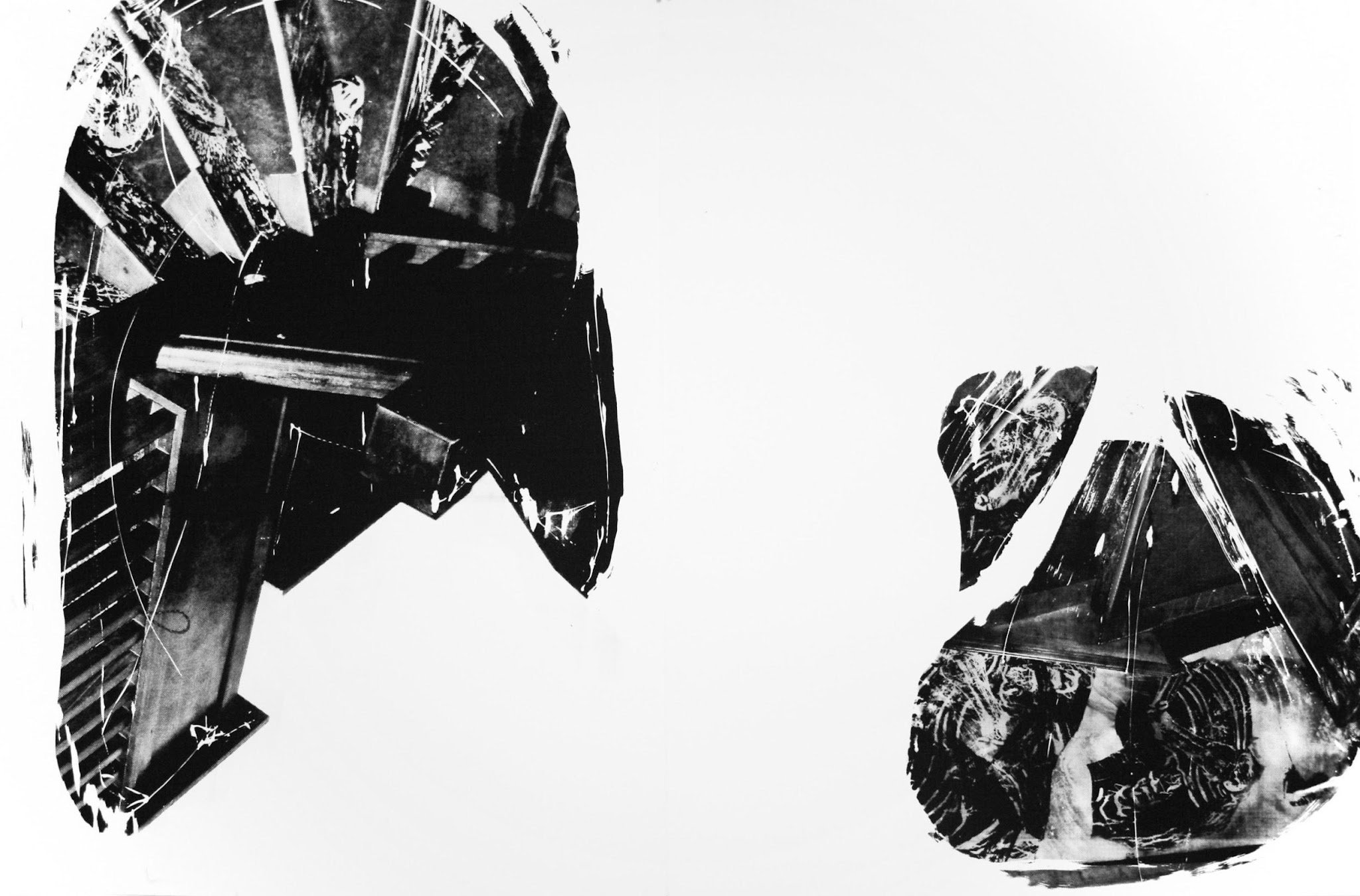
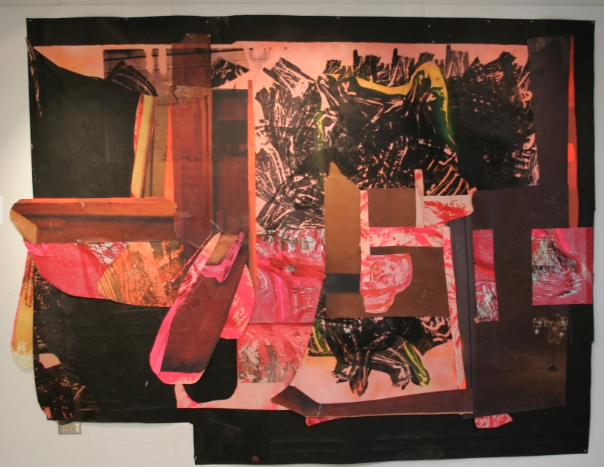
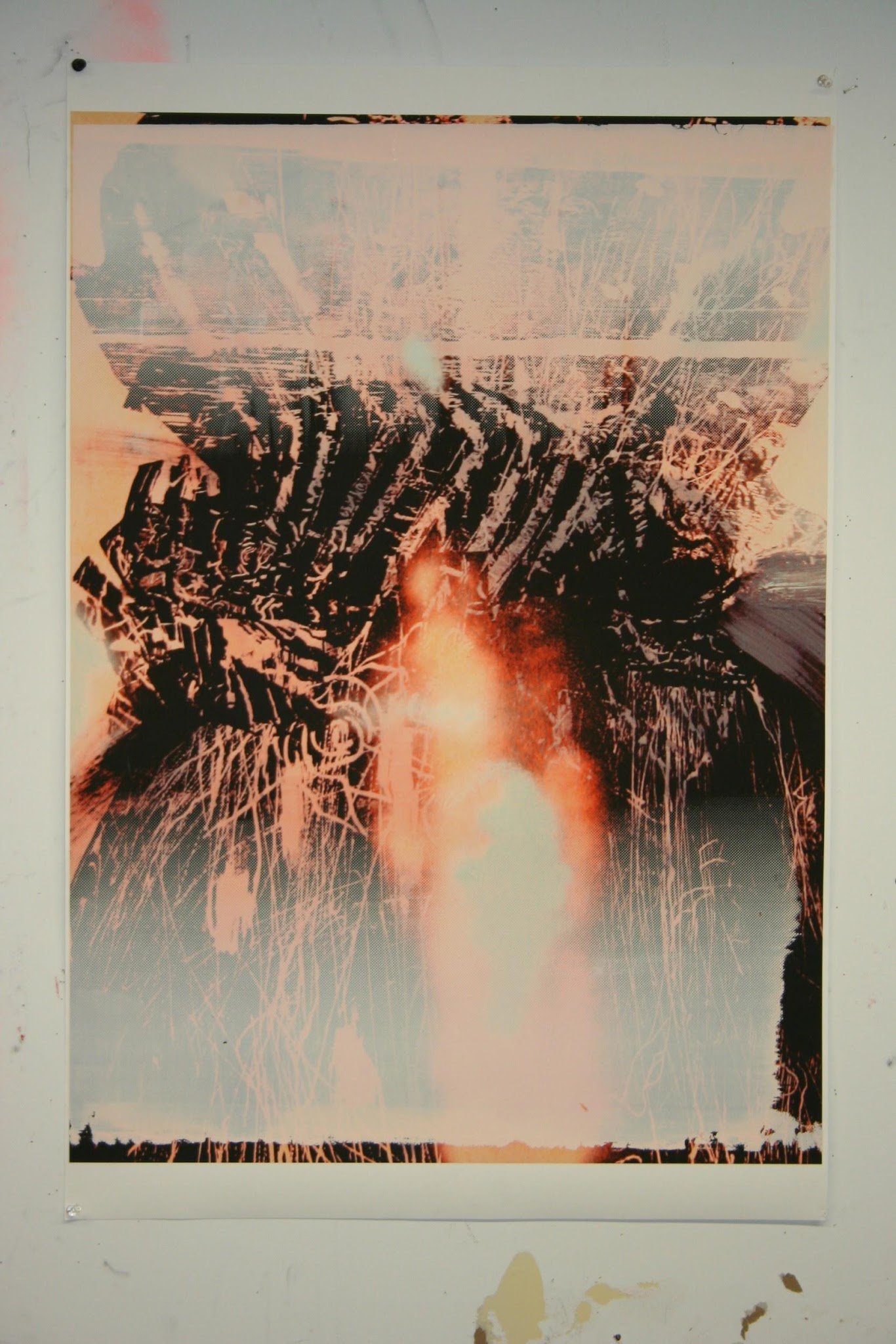
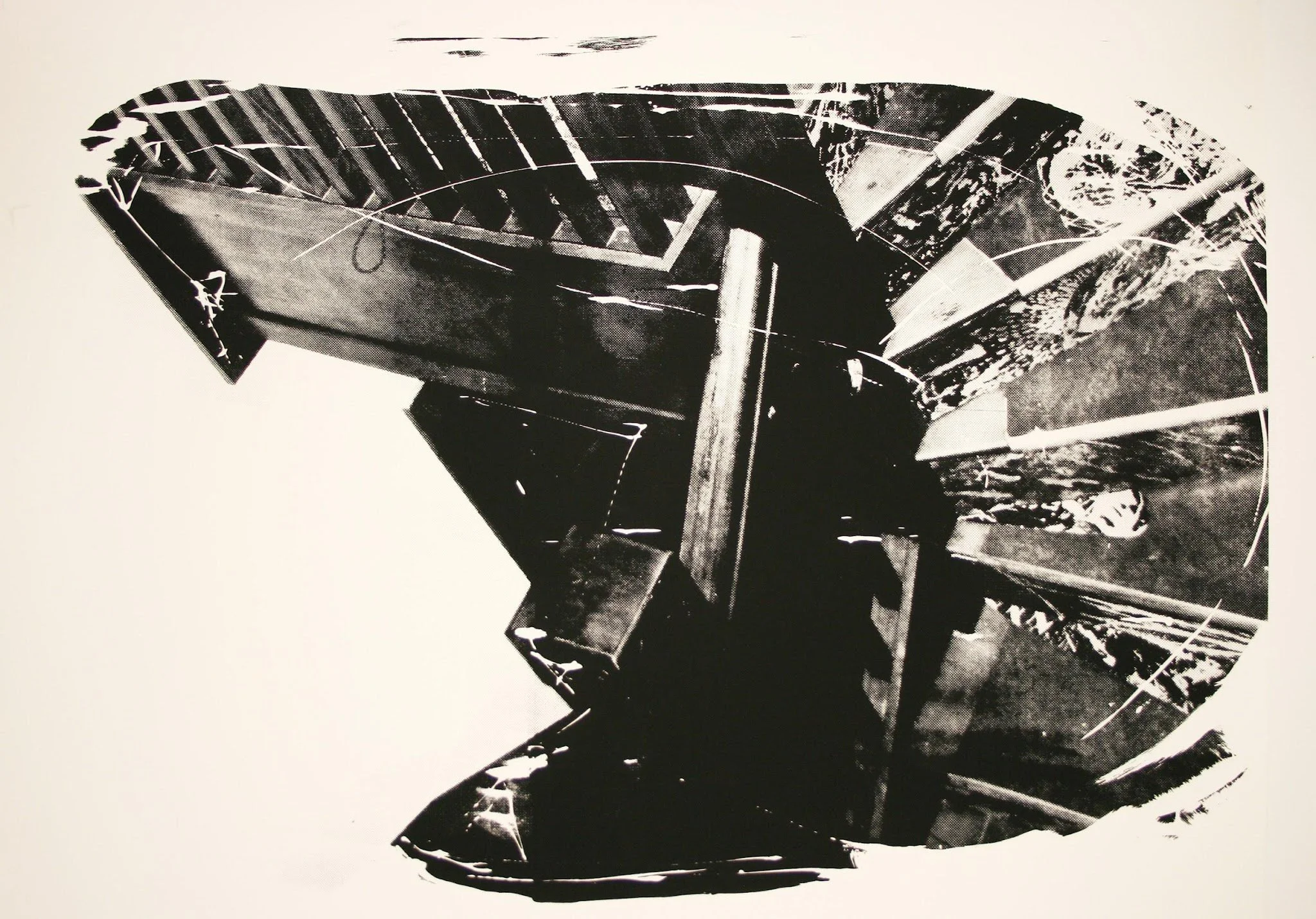
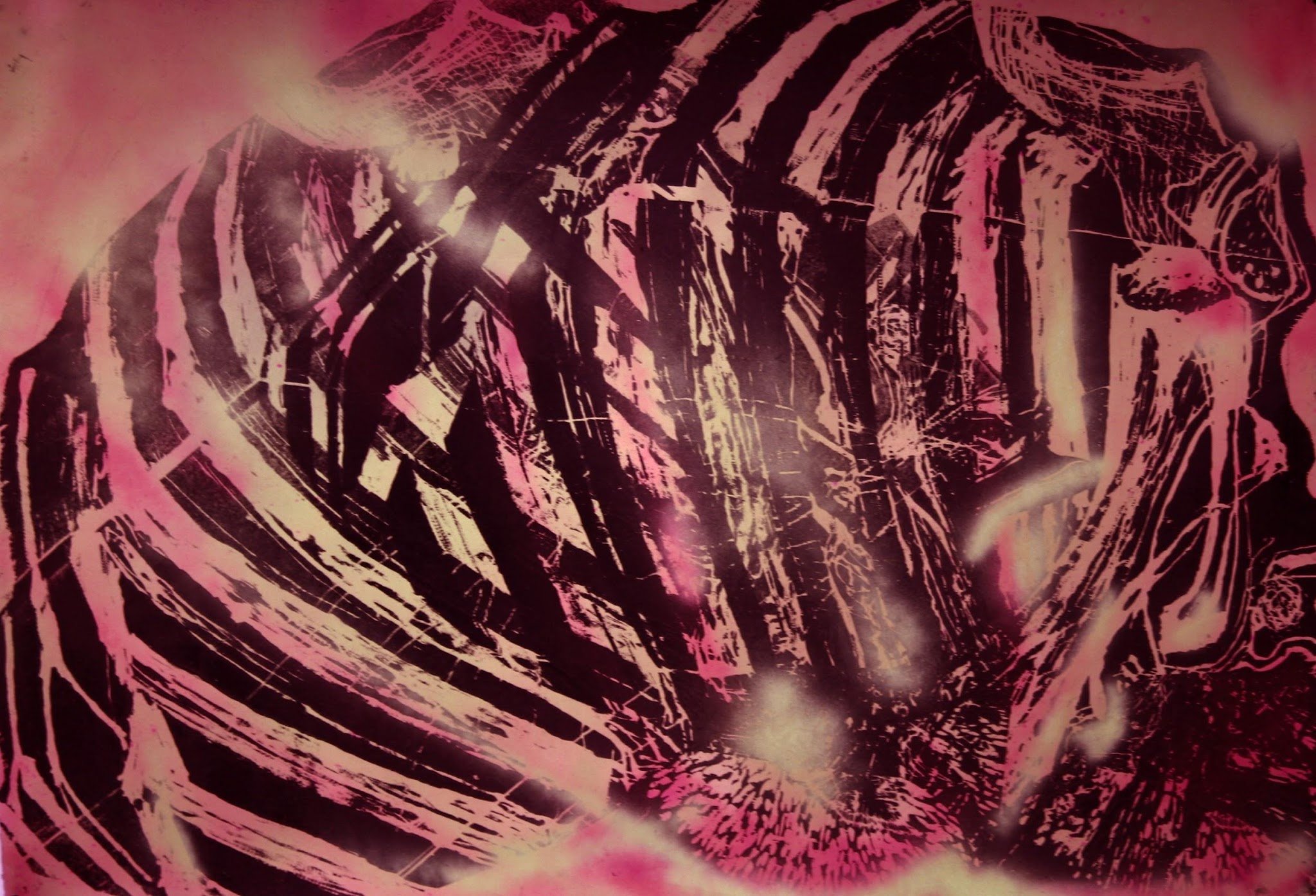
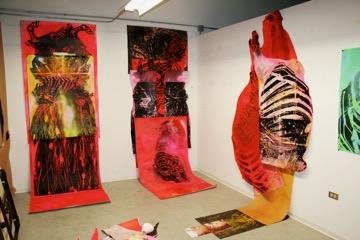
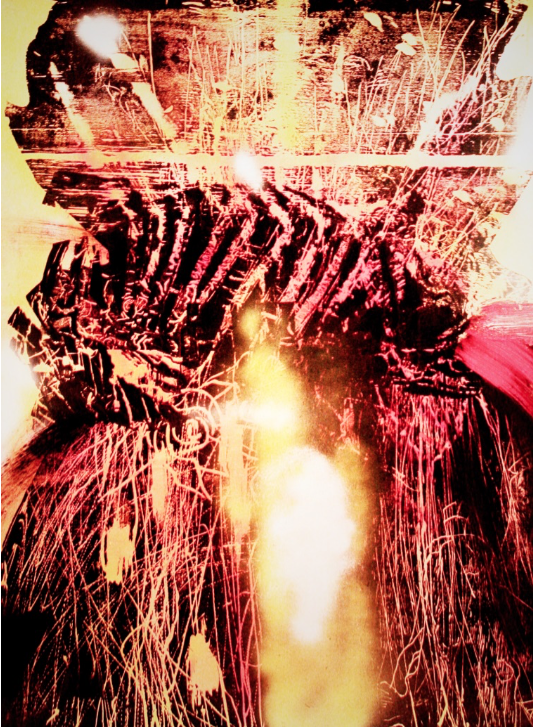
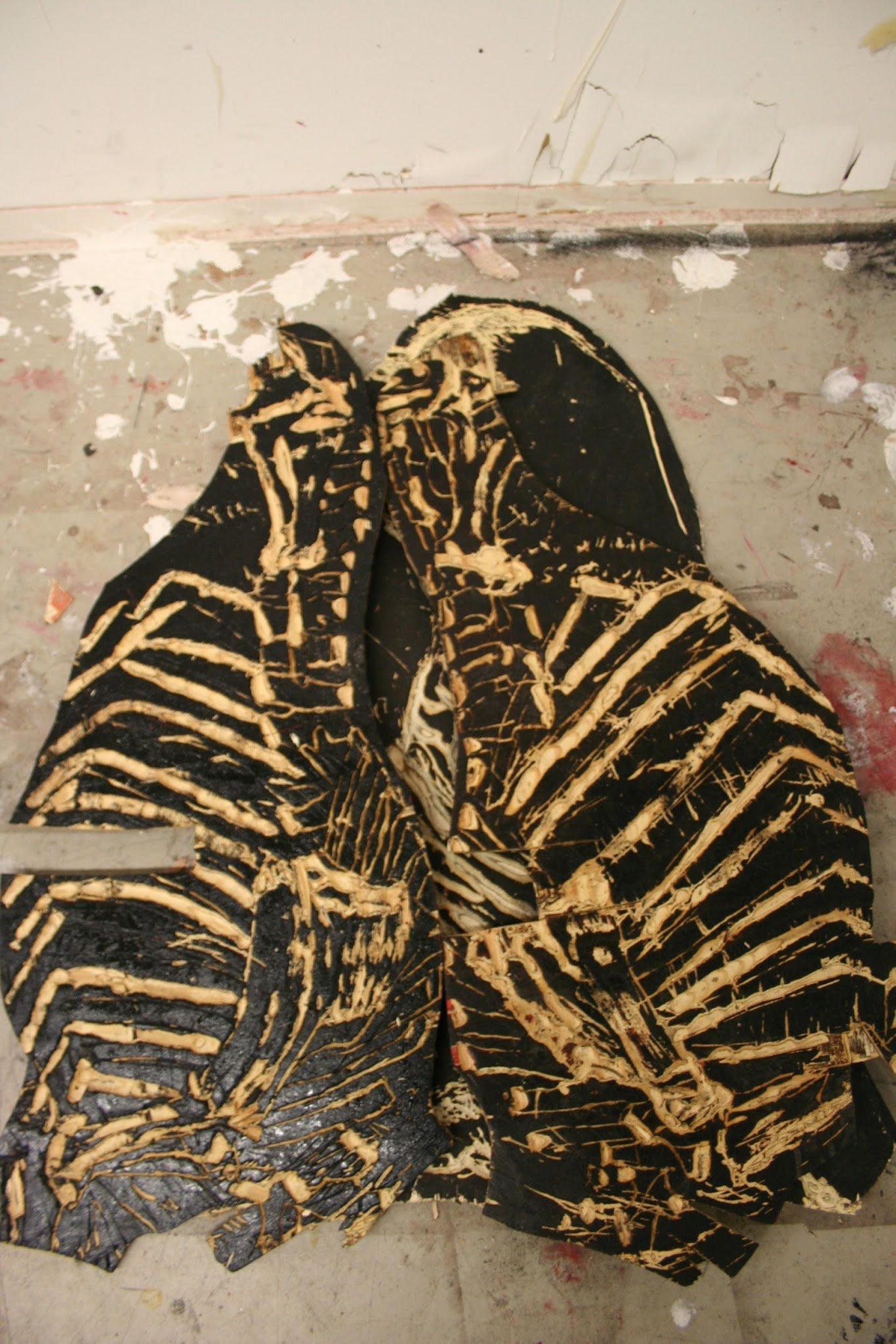
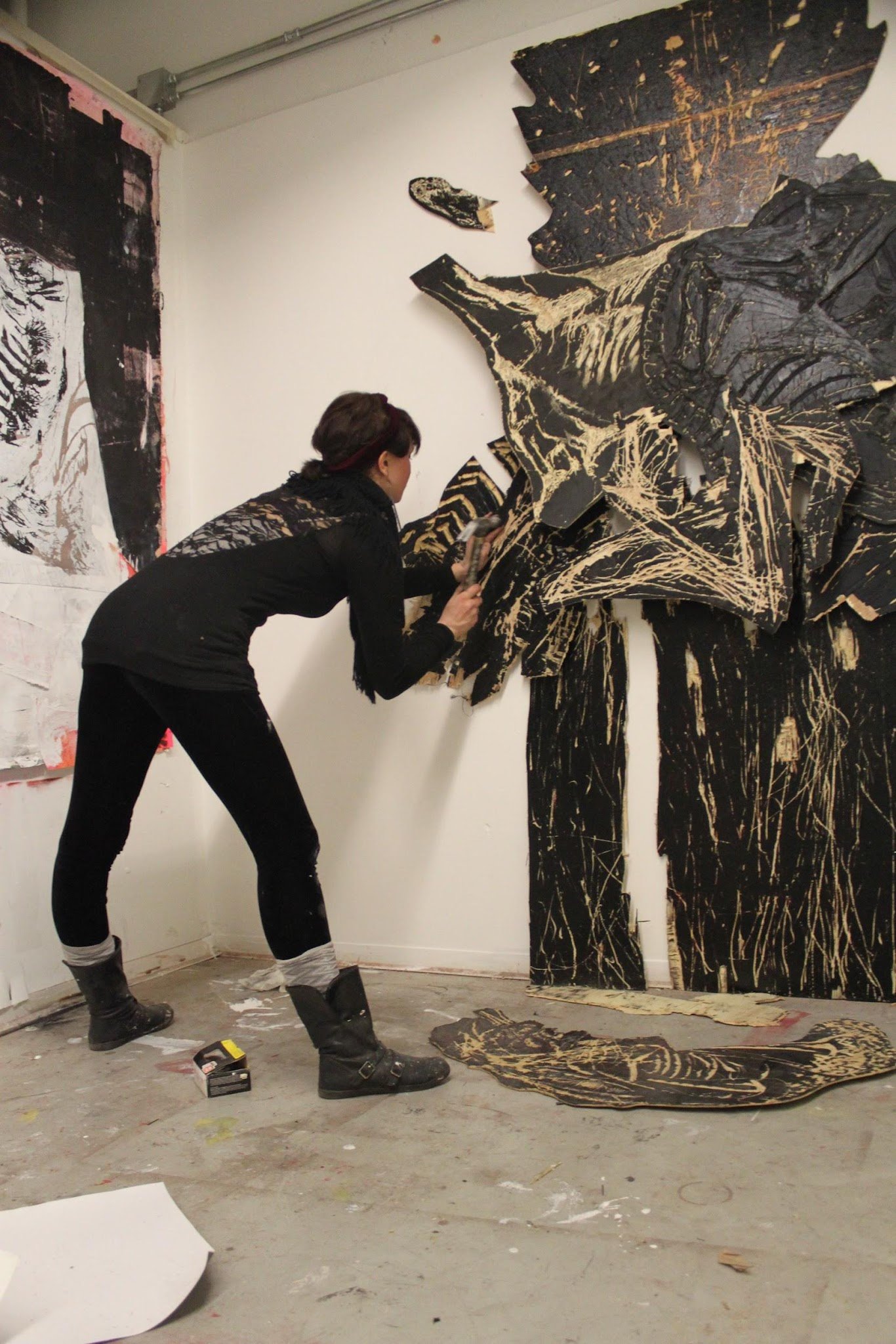
Anatomy of Home, woodblock prints, spray paint, paper. Large woodblock prints depicting the interiors of animals—bone, muscle, sinew, blood—are cut apart and installed within domestic spaces. A stairwell becomes lined with musculature, a wall displays the architecture of skeleton and flesh. The prints fragment and spread through the house like a body distributed across rooms, revealing the hidden structures that support and sustain.
The work explores the relationship between interior and exterior, the inside of the body and the inside of the home. Both are spaces of containment, meant to hold and protect what is vulnerable. Skin and walls serve the same function: they define boundaries, keep the inside in and the outside out. Yet both are permeable.
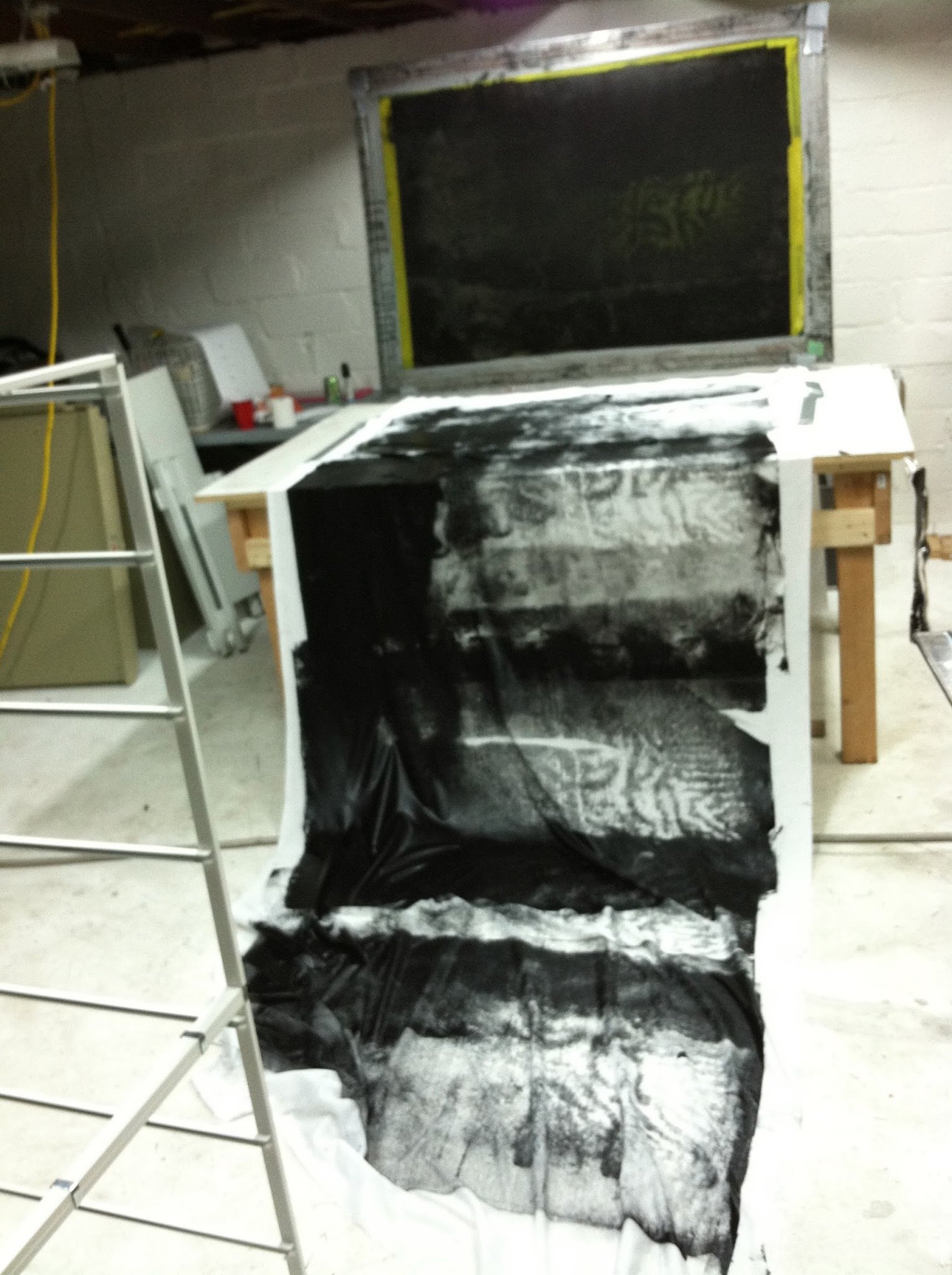
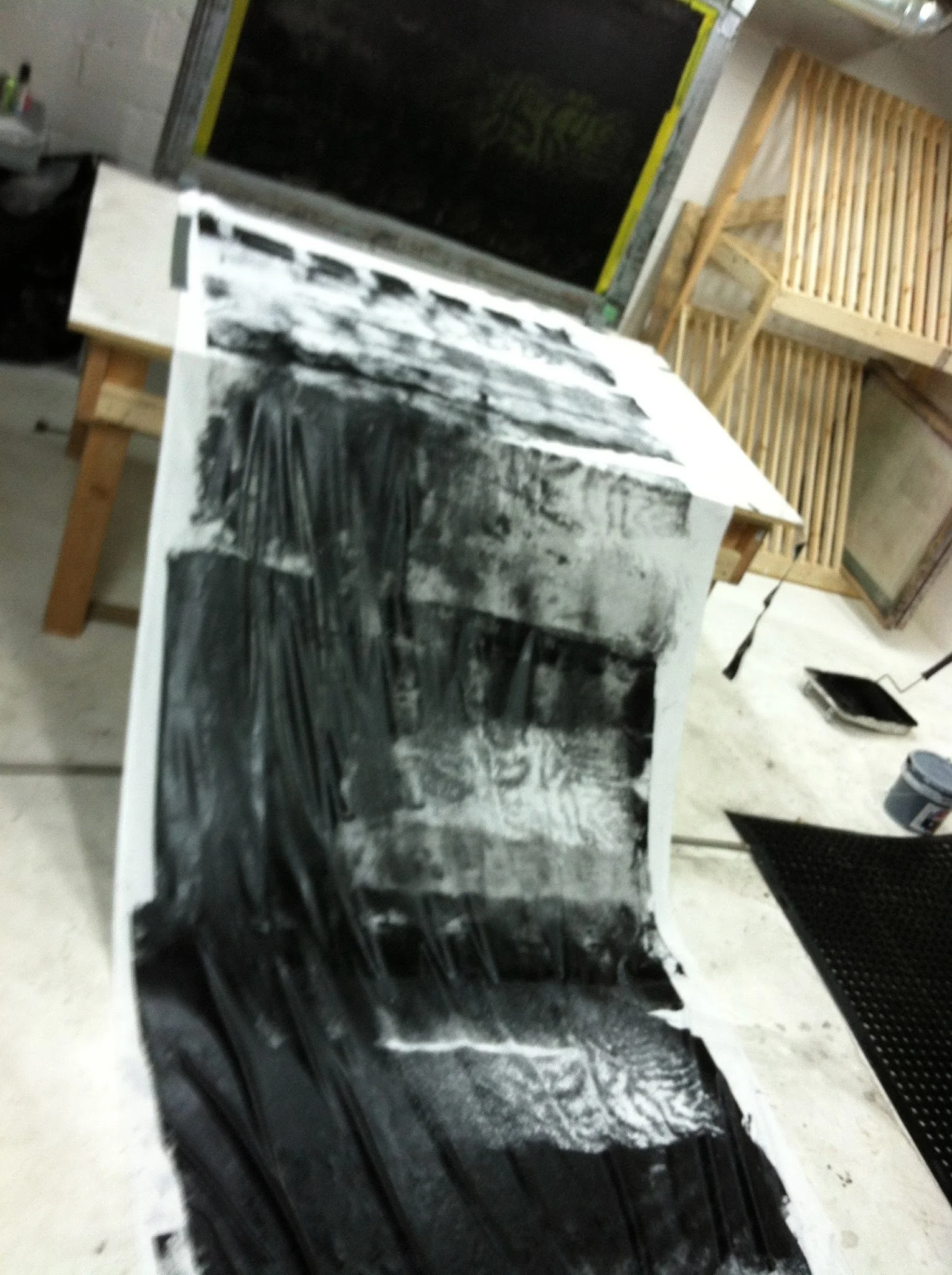
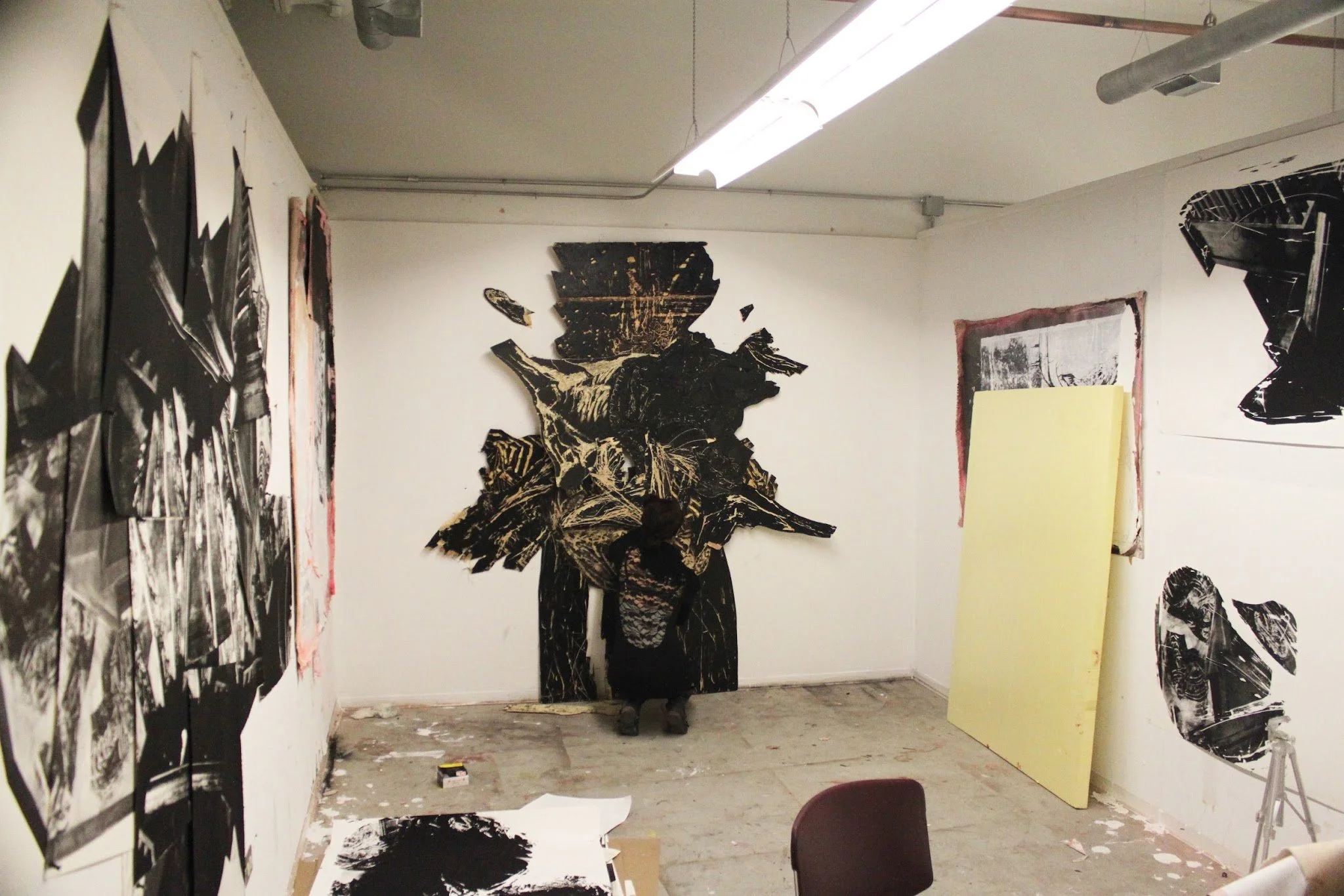
Always trust play and mess, the aimless, quiet wandering that discovers what careful planning cannot; the physical—hands moving, materials resisting, the body fully present in the act of making.